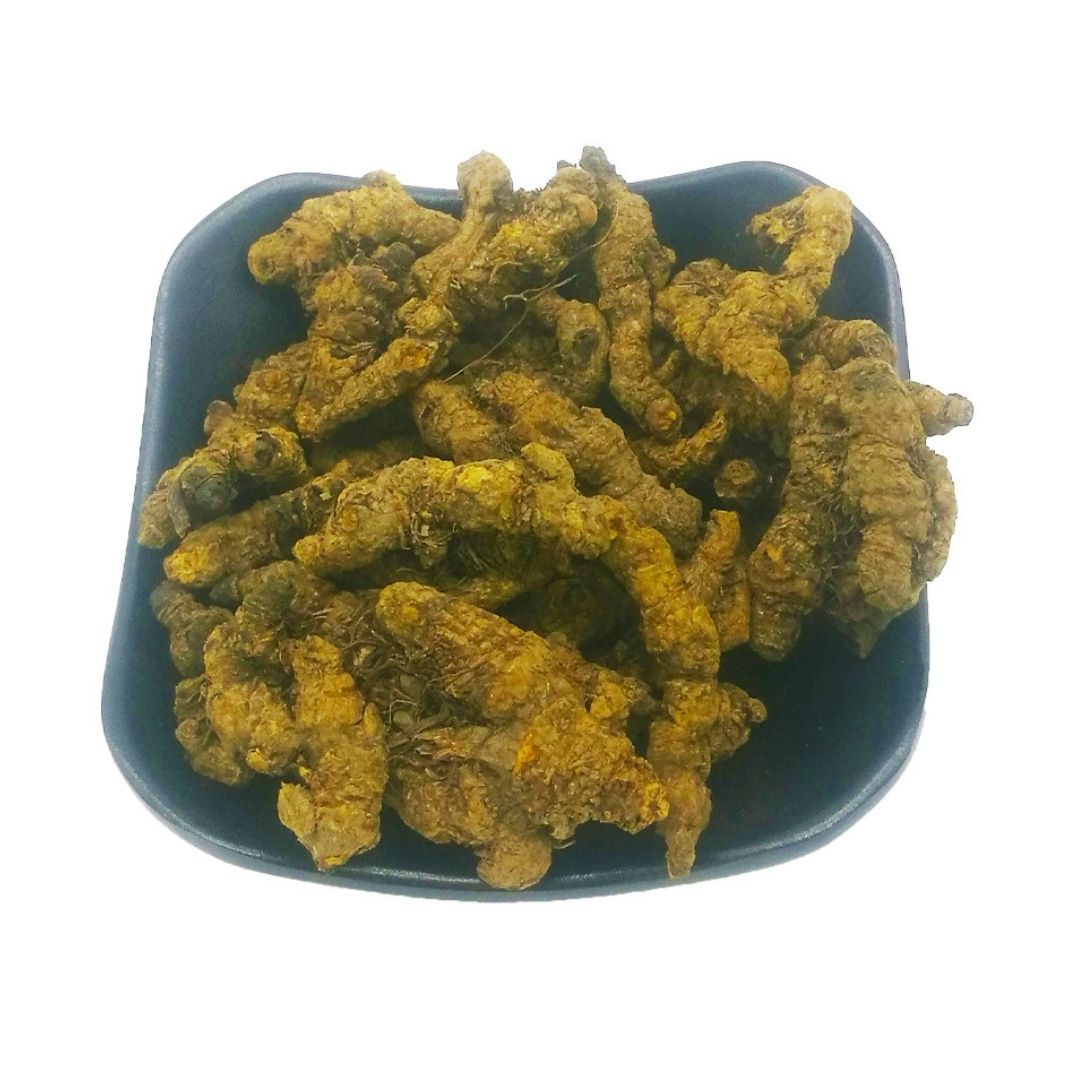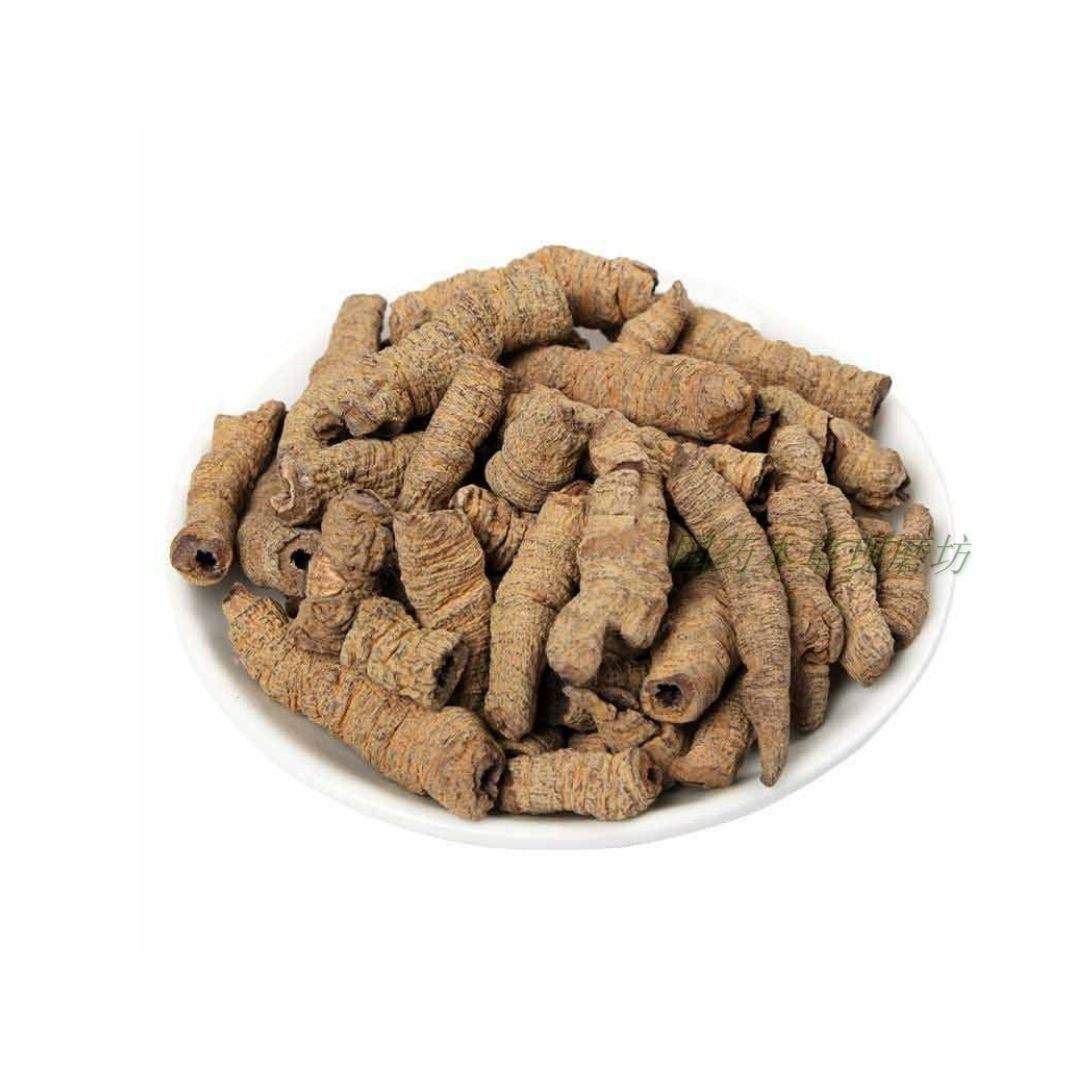


Product Introduction
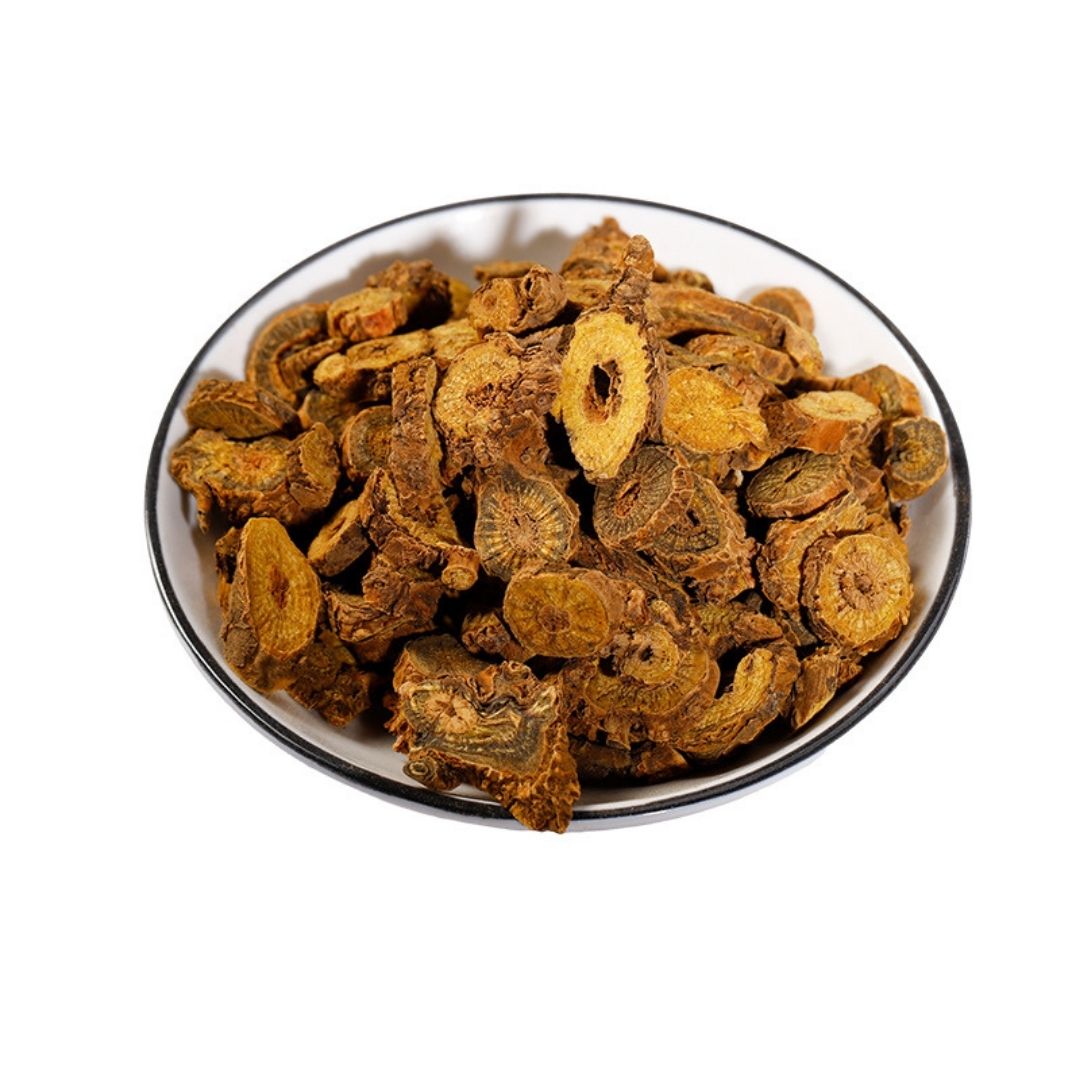
Scutellariae Radix, or Huang Qin, is a fundamental herb in traditional Chinese medicine, known for its diverse therapeutic applications. The herb is valued for its ability to address a variety of conditions related to heat and dampness, rendering it a versatile component in herbal formulations. Its utilization spans centuries, backed by both traditional use and contemporary scientific research, highlighting its enduring relevance in healthcare practices.
Main Active Ingredients
The efficacy of Scutellariae Radix is attributed to its complex chemical composition. Baicalin, a flavonoid, stands out as one of the most abundant and well-studied active constituents [1]. Wogonin is another significant flavonoid present, contributing to the herb’s overall pharmacological activity [2]. Baicalein, the aglycone of baicalin, also plays a key role in the herb's therapeutic effects [3]. These compounds, along with others, synergistically contribute to the herb's anti-inflammatory, antioxidant, and antimicrobial properties.
Product Application Scenarios, Usage, and Dosage
Scutellariae Radix finds application in various clinical scenarios. It is frequently employed to treat conditions such as fever, cough, and diarrhea, where heat and dampness are implicated [4]. The herb is also used to address inflammatory conditions, such as upper respiratory tract infections and skin disorders [5].
In traditional usage, Scutellariae Radix is typically administered in decoctions. The standard dosage generally ranges from 3 to 12 grams per day, depending on the specific condition and the individual's constitution [6]. It is often combined with other herbs to enhance its effects and address complex patterns of disharmony.
Introduction to the Source Plant, Distribution, and Growth Environment
Scutellaria baicalensis Georgi, the source plant of Scutellariae Radix, is a perennial herb belonging to the Lamiaceae family. This plant is native to regions of Russia and certain areas in China, especially in provinces like Inner Mongolia, Heilongjiang, and Hebei [7]. It thrives in sunny environments with well-drained soils, often found on grassy slopes and open woodlands. The plant is characterized by its vibrant blue-purple flowers and distinctive root system, which is the part used medicinally.
Harvesting, Processing, and Storage
The roots of Scutellaria baicalensis are typically harvested in the spring or autumn. After harvesting, the roots are cleaned, dried, and processed for medicinal use [8]. Proper processing techniques are essential to maintain the quality and efficacy of the herb. The dried roots are usually sliced or processed further according to specific requirements. Storage should occur in a cool, dry place, away from direct sunlight and moisture, to prevent degradation and preserve the herb's therapeutic properties [9].
Citations:
[1] Zhao, Q., Chen, X., & Martin, C. (2016). Scutellaria baicalensis, the golden herb from the garden of Chinese medicinal plants. Science Bulletin, 61(18), 1391-1398.
[2] Li-Weber, M. (2009). New therapeutic aspects of wogonin and other flavonoids from Scutellaria baicalensis. Cancer treatment reviews, 35(1), 57-68.
[3] Zhang, Y., et al. (2021). Baicalein: A review of its pharmacology, toxicology and potential clinical applications. Acta Pharmaceutica Sinica B, 11(9), 2687-2714.
[4] Luo, H., et al. (2020). The anti-inflammatory and antioxidant effects of Scutellaria baicalensis Georgi extract on adjuvant-induced arthritis in rats. Journal of Ethnopharmacology, 258, 112894.
[5] Kim, D. H., et al. (2010). Anti-inflammatory activity of baicalin and baicalein in acute lung injury. Journal of Medicinal Food, 13(5), 1007-1012.
[6] Bensky, D., Gamble, A., & Kaptchuk, T. J. (1993). Chinese herbal medicine: Materia Medica. Eastland Press.
[7] Flora of China Editorial Committee. (2015). Flora of China. Missouri Botanical Garden Press.
[8] Barnes, J., Anderson, L. A., & Phillipson, J. D. (2007). Herbal medicines. Pharmaceutical Press.
[9] World Health Organization. (1999). Quality control methods for medicinal plant materials. World Health Organization.
Mia Wu

Hi, I’m Mia Wu! I love helping customers discover the best natural ingredients for their products. With a passion for herbs, spices, and fungi, I work to make sure you get only the finest raw materials. Let's grow together! 🌱✨