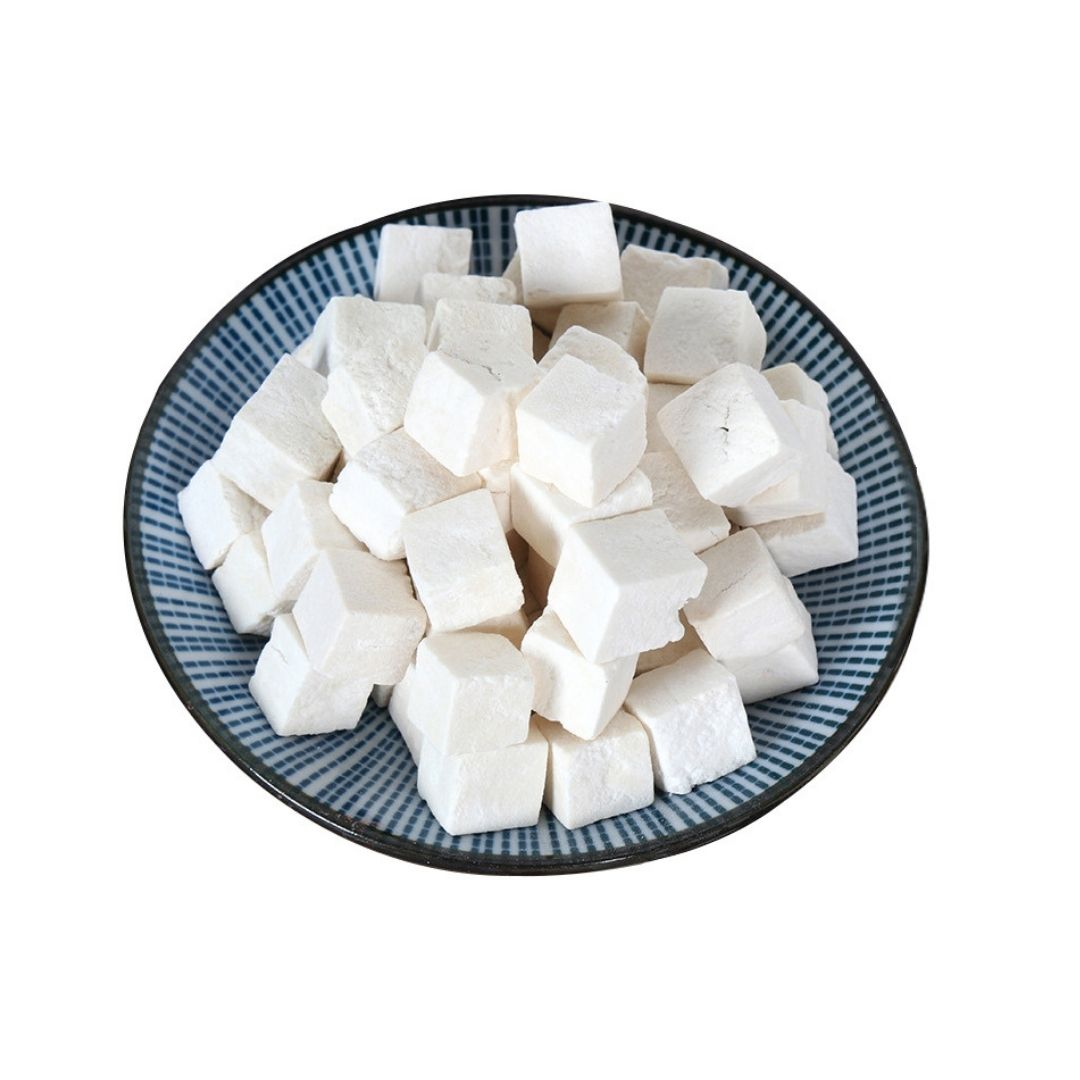
Product Introduction
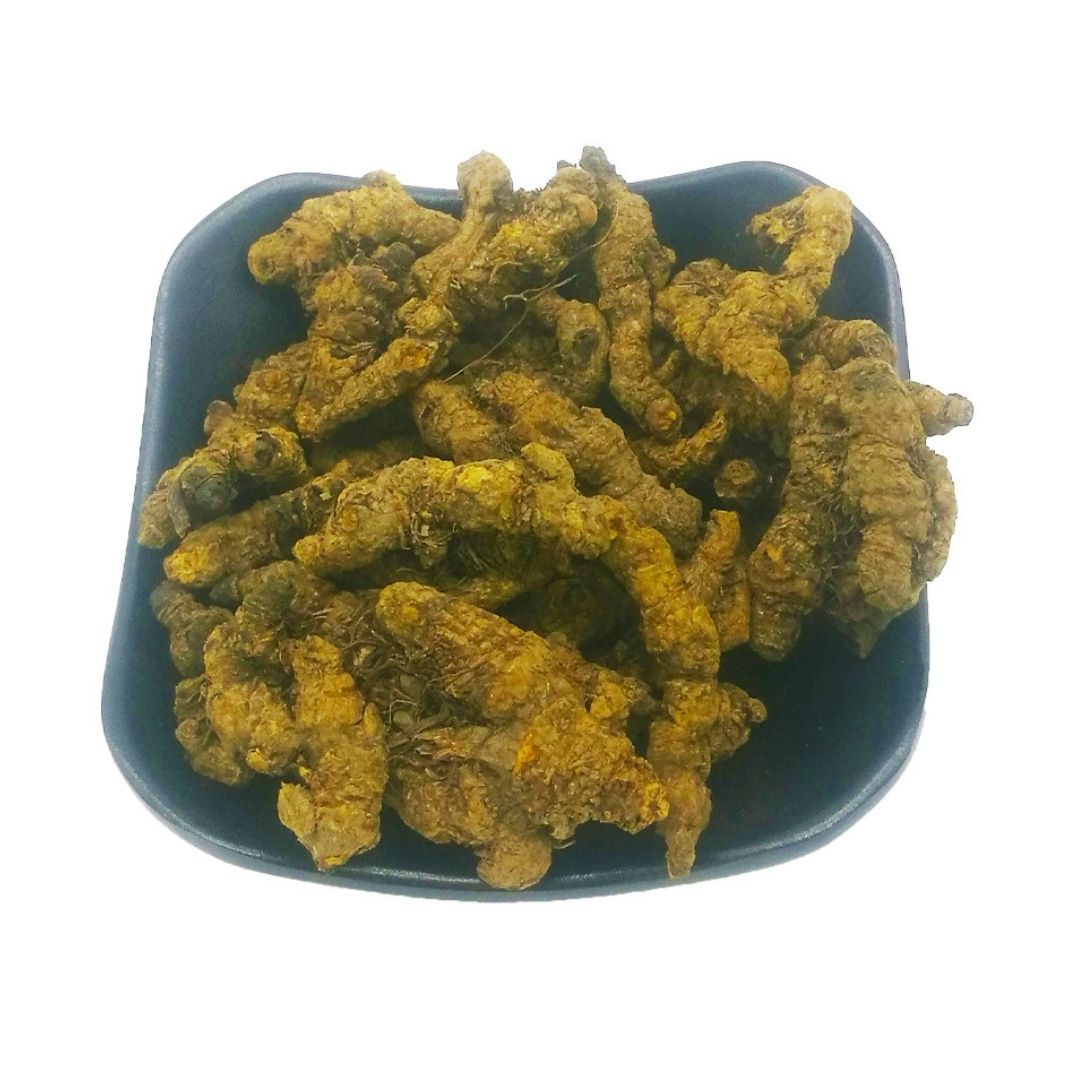
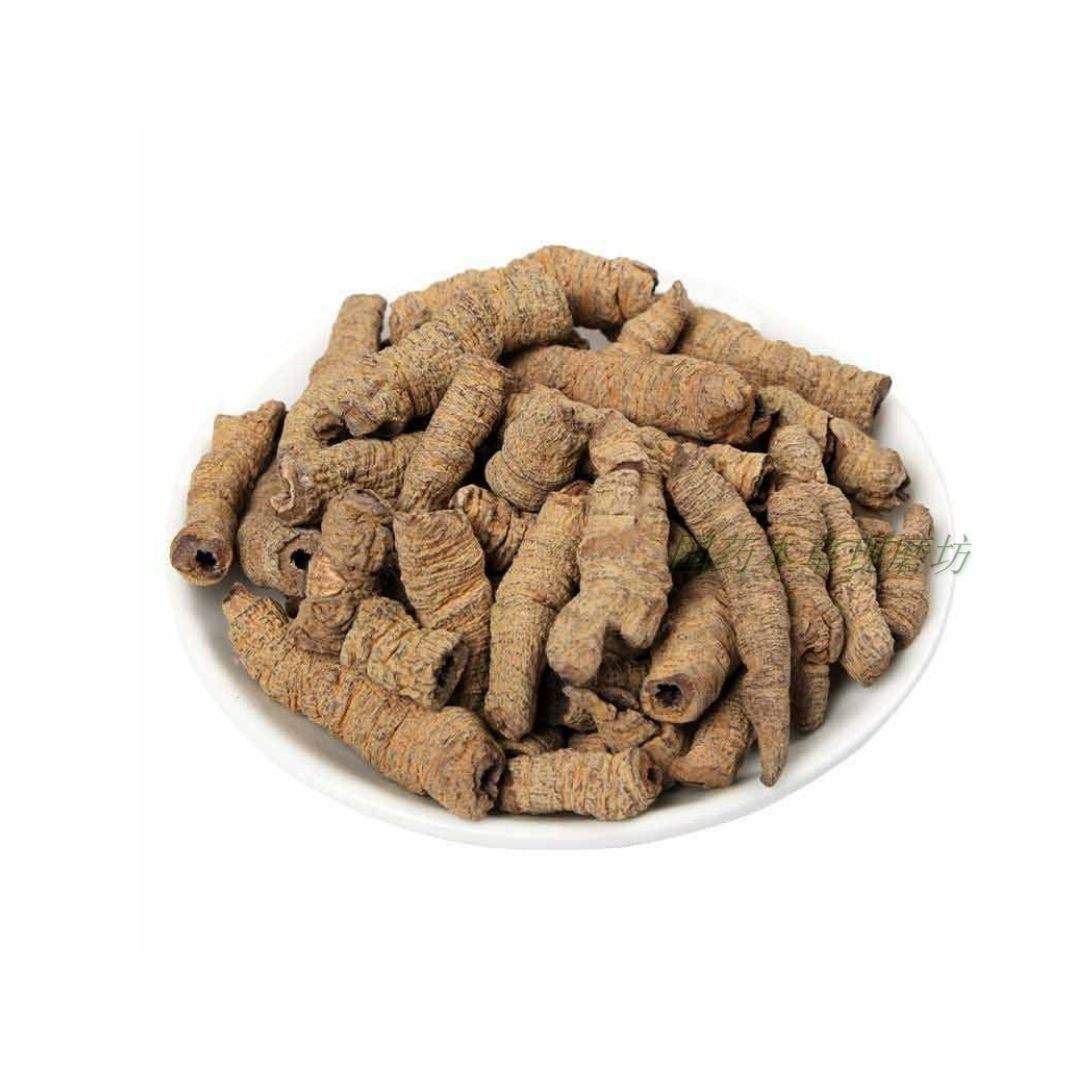
Scrophulariae Radix, known as Xuan Shen in traditional Chinese medicine (TCM), refers to the dried root of Scrophularia ningpoensis or related species. It is valued for its therapeutic properties, particularly in addressing heat-related conditions and nourishing yin. The herb has been used for centuries in TCM practice.
Main Active Ingredients
The primary active constituents of Scrophulariae Radix include iridoid glycosides like harpagide and harpagoside, which contribute to its anti-inflammatory and analgesic effects. Flavonoids present in the herb offer antioxidant benefits. Organic acids further enhance its medicinal properties. These components synergistically contribute to the overall therapeutic efficacy of Scrophulariae Radix.
Product Application Scenarios, Usage, and Dosage
Scrophulariae Radix finds application in various clinical scenarios. It addresses symptoms associated with yin deficiency, such as dry mouth, night sweats, and constipation. It is also employed to clear heat from the blood, useful in conditions like skin eruptions and sore throats. Typically, the herb is administered in decoctions, the usual dosage being 9-15 grams daily. It can be combined with other herbs to enhance its effects or target specific symptoms. Herbal practitioners may adjust dosages based on individual patient requirements.
Introduction to the Source Plant, Distribution, and Growth Environment
Scrophularia ningpoensis, the primary source of Scrophulariae Radix, is a perennial herb native to China. The plant thrives in moist environments, often found in forests and along streamsides. It prefers shaded locations with well-drained soil. Scrophularia species are distributed mainly throughout East Asia; cultivation occurs in several provinces in China to meet medicinal demands.
Harvesting, Processing, and Storage
Harvesting of Scrophulariae Radix typically occurs in the autumn. The roots are dug up, cleaned, and dried, either in the sun or through artificial drying methods. Proper drying is crucial to prevent mold growth and preserve the herb's active constituents. Once dried, the roots are cut into slices and stored in airtight containers. Storing in a cool, dry place is necessary to maintain quality and potency over time.
Citations:
- Chen, J. K., & Chen, T. T. (2004). Chinese Medical Herbology and Pharmacology. Art of Medicine Press.
- Bensky, D., Clavey, S., & Stöger, E. (2004). Chinese Herbal Medicine: Materia Medica, 3rd Edition. Eastland Press.
- pharmacopoeia of the People’s Republic of China. 2020 edition. Beijing: China Medical Science and Technology Press.2020
Mia Wu

Hi, I’m Mia Wu! I love helping customers discover the best natural ingredients for their products. With a passion for herbs, spices, and fungi, I work to make sure you get only the finest raw materials. Let's grow together! 🌱✨