

Product Introduction
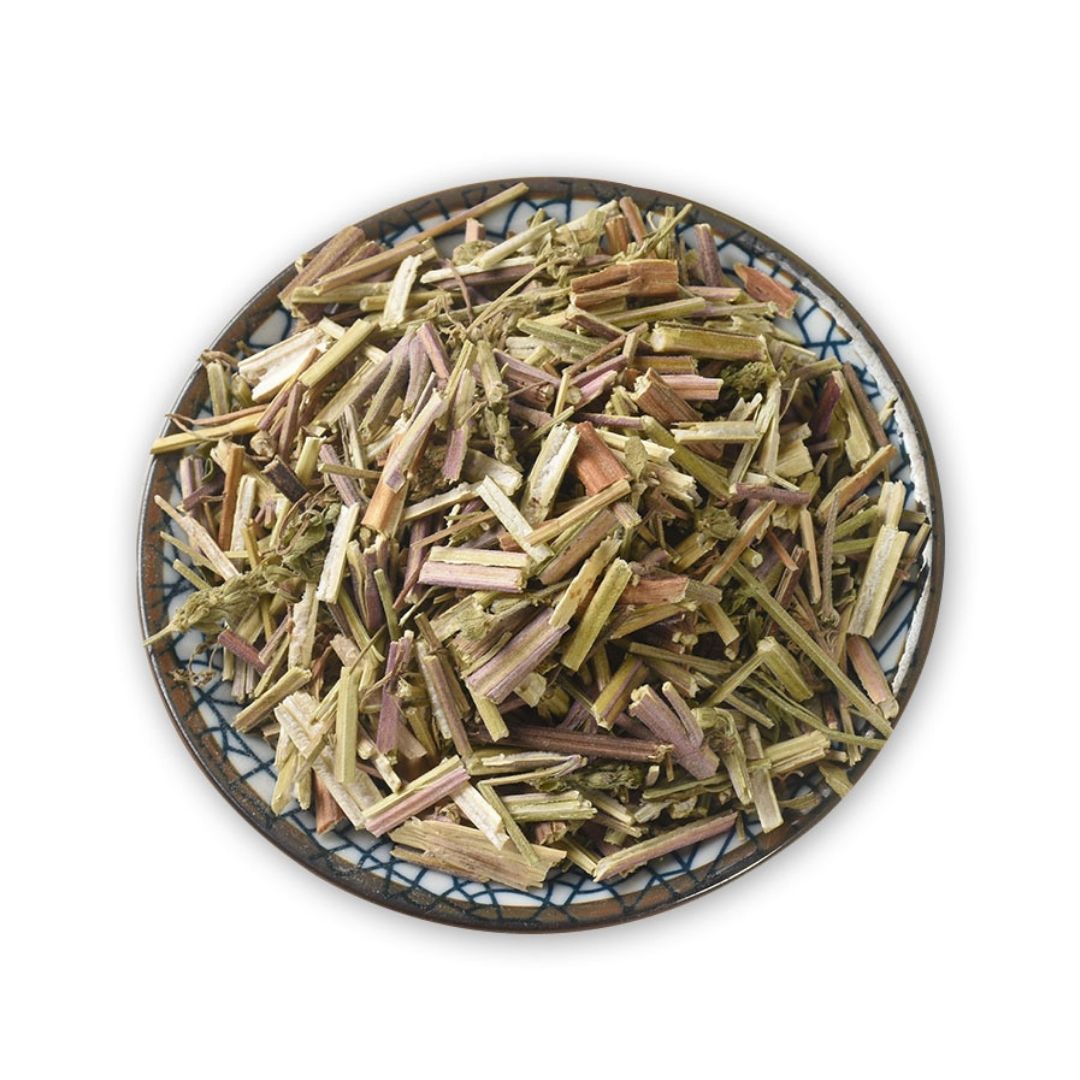
Schizonepeta, known as Jing Jie in Chinese, is a commonly used herb in Traditional Chinese Medicine (TCM). The herb consists of the dried aerial parts of Schizonepeta tenuifolia or Schizonepeta multifida. It is valued for its ability to treat conditions related to wind and heat, often manifested as skin eruptions, fever, and sore throat. In TCM theory, it helps to release exterior conditions, promote blood circulation, and alleviate itching, making it a versatile remedy in various formulations.
Main Active Ingredients
The primary active components of Schizonepeta are volatile oils. These oils include menthone, isomenthone, pulegone, and other terpenes. Menthone and pulegone contribute significantly to the herb's characteristic aroma and therapeutic effects. These compounds are known for their anti-inflammatory, analgesic, and antimicrobial properties. Further research indicates these components play a crucial role in the herb's ability to address skin conditions and respiratory ailments.
Product Application Scenarios, Usage, and Dosage
Schizonepeta is frequently used to address symptoms associated with the common cold, such as fever, headache, and sore throat. It is often combined with other herbs to enhance its effectiveness in dispelling wind and clearing heat. For skin conditions like eczema and itching, Schizonepeta can be used both internally and externally, usually in conjunction with other herbs to soothe inflammation and promote healing. The typical dosage is 3 to 9 grams, generally added to decoctions. Externally, it can be used as a wash or compress to relieve itching and skin irritations.
Introduction to the Source Plant, Distribution, and Growth Environment
Schizonepeta tenuifolia and Schizonepeta multifida are annual herbaceous plants belonging to the Lamiaceae family. Schizonepeta tenuifolia has slender, linear leaves, while Schizonepeta multifida has more divided leaves. These plants are native to regions of China and are widely cultivated in various provinces, including Hebei, Henan, and Shandong. They thrive in sunny locations with well-drained soil, commonly found in fields, gardens, and along roadsides. These plants prefer temperate climates and are relatively easy to grow, making them accessible for both medicinal and agricultural purposes.
Harvesting, Processing, and Storage
The aerial parts of Schizonepeta are typically harvested in the late summer or early autumn when the plants are in full bloom. Harvesting involves cutting the stems and leaves, then drying them either in the sun or using mechanical dryers. After drying, the herb is cut into smaller segments for easier processing and storage. It is crucial to store Schizonepeta in a cool, dry, and well-ventilated place to prevent mold growth and preserve its volatile oil content. Proper storage ensures that the herb maintains its potency and efficacy for medicinal use, often lasting up to two years under optimal conditions.
Citations:
- Chen, J. K., & Chen, T. T. (2004). Chinese Medical Herbology and Pharmacology. Art of Medicine Press.
- Bensky, D., Clavey, S., & Stöger, E. (2004). Chinese Herbal Medicine: Materia Medica. 3rd ed. Eastland Press.
- Wang, L., et al. (2018). Chemical composition and bioactivity of the essential oil from Schizonepeta tenuifolia. Journal of Essential Oil Research, 30(2), 245-252.
- 中华本草编委会 (2016). 中华本草 ([Zhong Hua Ben Cao], Chinese Materia Medica). 上海科学技术出版社 ([Shanghai Scientific & Technical Publishers]).
Mia Wu

Hi, I’m Mia Wu! I love helping customers discover the best natural ingredients for their products. With a passion for herbs, spices, and fungi, I work to make sure you get only the finest raw materials. Let's grow together! 🌱✨