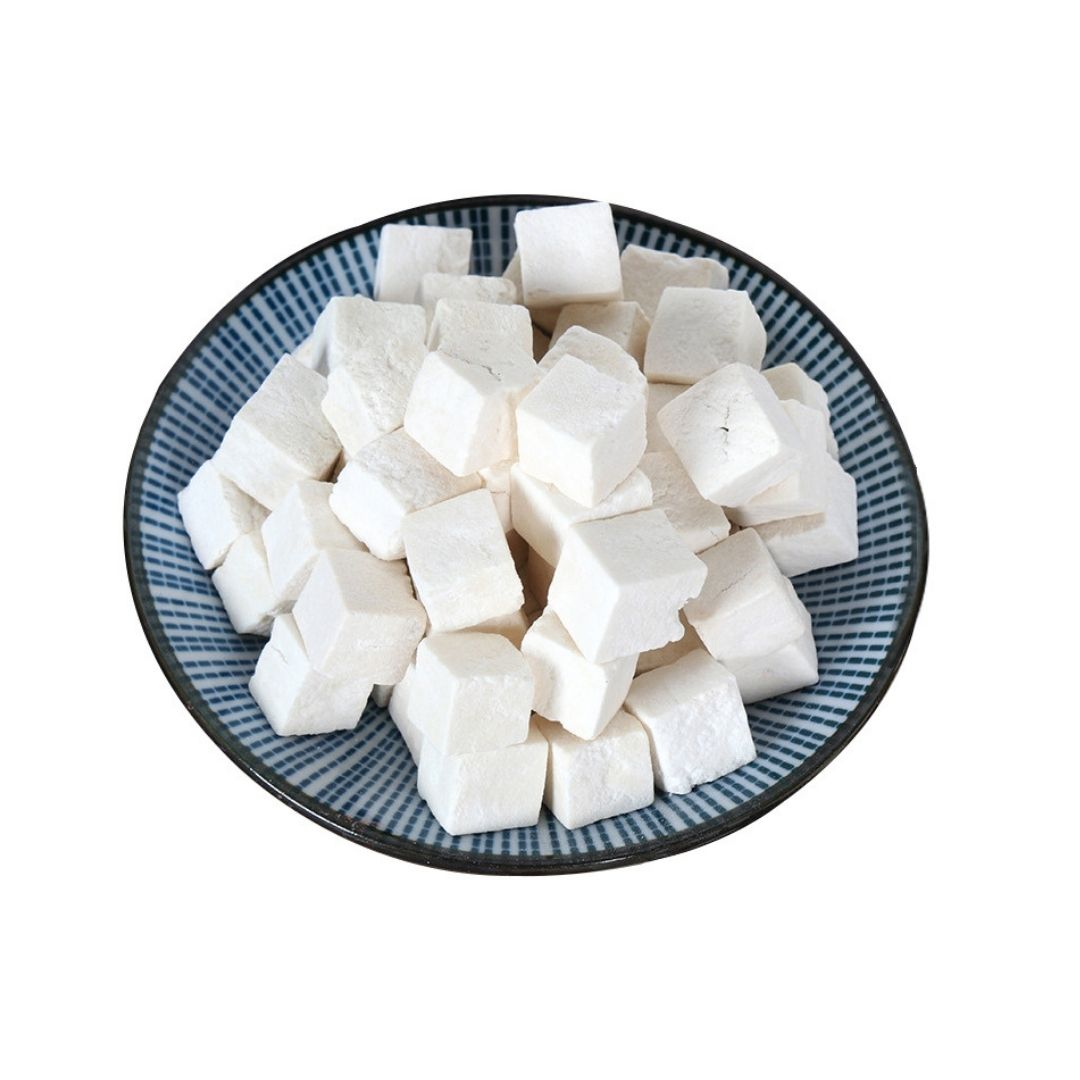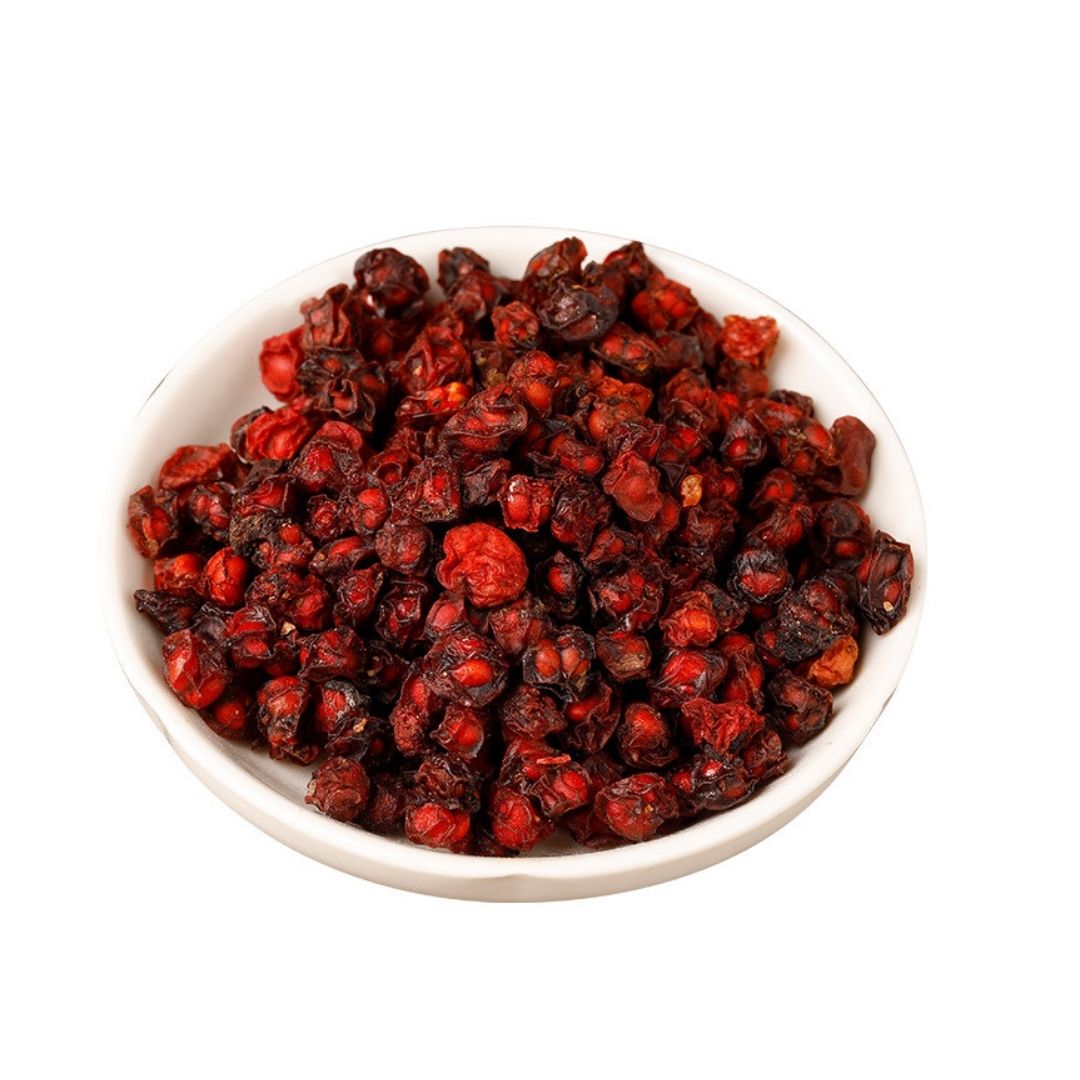


Product Introduction
Schisandrae Chinensis Fructus, known in Chinese as Wu Wei Zi, is a highly valued herb in Traditional Chinese Medicine (TCM). The name "Wu Wei Zi" translates to "five-flavor fruit," which describes the herb's unique characteristic of possessing all five of the basic flavors: sweet, sour, salty, bitter, and pungent. This complex flavor profile contributes to its diverse range of therapeutic applications. The herb is derived from the dried ripe fruit of Schisandra chinensis, a deciduous woody vine native to the forests of Northern China and parts of Russia and Korea. In TCM, Schisandrae Chinensis Fructus is categorized as an adaptogen, meaning it helps the body adapt to stress and maintain overall balance.
Main Active Ingredients
The therapeutic effects of Schisandrae Chinensis Fructus are attributed to its complex chemical composition. Lignans, such as schisandrin, schisandrol, and schisantherin, are considered the primary active compounds. These lignans have been shown to possess antioxidant, anti-inflammatory, and hepatoprotective properties. The fruit also contains essential oils, including sesquiterpenes and monoterpenes, which contribute to its characteristic aroma and may have additional therapeutic benefits. Further research suggests that these components work synergistically to produce the herb's diverse pharmacological effects.
Product Application Scenarios, Usage, and Dosage
In TCM, Schisandrae Chinensis Fructus is widely used to treat a variety of conditions. It is commonly prescribed for calming the spirit and improving sleep quality, addressing symptoms of insomnia and anxiety. Its astringent properties make it useful for controlling excessive sweating, chronic cough, and diarrhea. The herb is also used to tonify the kidneys and preserve essence, addressing issues such as frequent urination and spermatorrhea.
The typical dosage of Schisandrae Chinensis Fructus ranges from 1.5 to 6 grams per day, usually taken as a decoction. It can also be consumed in powder form or as an extract. In clinical practice, it is often combined with other herbs to enhance its therapeutic effects and address specific symptoms. For example, it may be combined with Suan Zao Ren (Ziziphi Spinosae Semen) to improve sleep or with Mai Men Dong (Ophiopogonis Radix) to moisten the lungs and stop cough.
Introduction to the Source Plant, Distribution, and Growth Environment
Schisandra chinensis is a deciduous, woody climbing vine belonging to the Magnoliaceae family. The plant is characterized by its reddish-brown stems, oval-shaped leaves, and small, white to pink flowers. The fruit develops as clusters of small, bright red berries.
This plant is native to Northeast China, Russia (Siberia), Korea, and parts of Japan. It thrives in cool, moist forests with well-drained soil. The plant prefers partial shade but can tolerate full sun in cooler climates. It often grows along forest edges, in valleys, and on hillsides. Its natural habitat provides the ideal conditions for its growth and the development of its medicinal properties.
Harvesting, Processing, and Storage
The fruits of Schisandra chinensis are typically harvested in the late autumn when they have ripened to a deep red color. Harvesting is done manually to ensure that only the fully ripe fruits are collected. After harvesting, the fruits are usually dried in the sun or using mechanical dryers until they are sufficiently dried and shriveled.
Proper processing and storage are crucial to maintain the quality and efficacy of Schisandrae Chinensis Fructus. The dried fruits should be stored in a cool, dry place, away from direct sunlight and moisture. They should be kept in airtight containers to prevent oxidation and degradation of the active compounds. Properly stored, Schisandrae Chinensis Fructus can retain its medicinal properties for up to two years.
Citations:
- Pharmacopoeia of the People's Republic of China. 2020 Edition. Volume I
- 中华本草
- Schisandra chinensis (Turcz.) Baill. (Chinese Magnoliavine): A Review of the Botany, Horticulture, and Potential Health Benefits
- Schisandra chinensis: Phytochemistry, Pharmacology, and Clinical Uses
Mia Wu

Hi, I’m Mia Wu! I love helping customers discover the best natural ingredients for their products. With a passion for herbs, spices, and fungi, I work to make sure you get only the finest raw materials. Let's grow together! 🌱✨