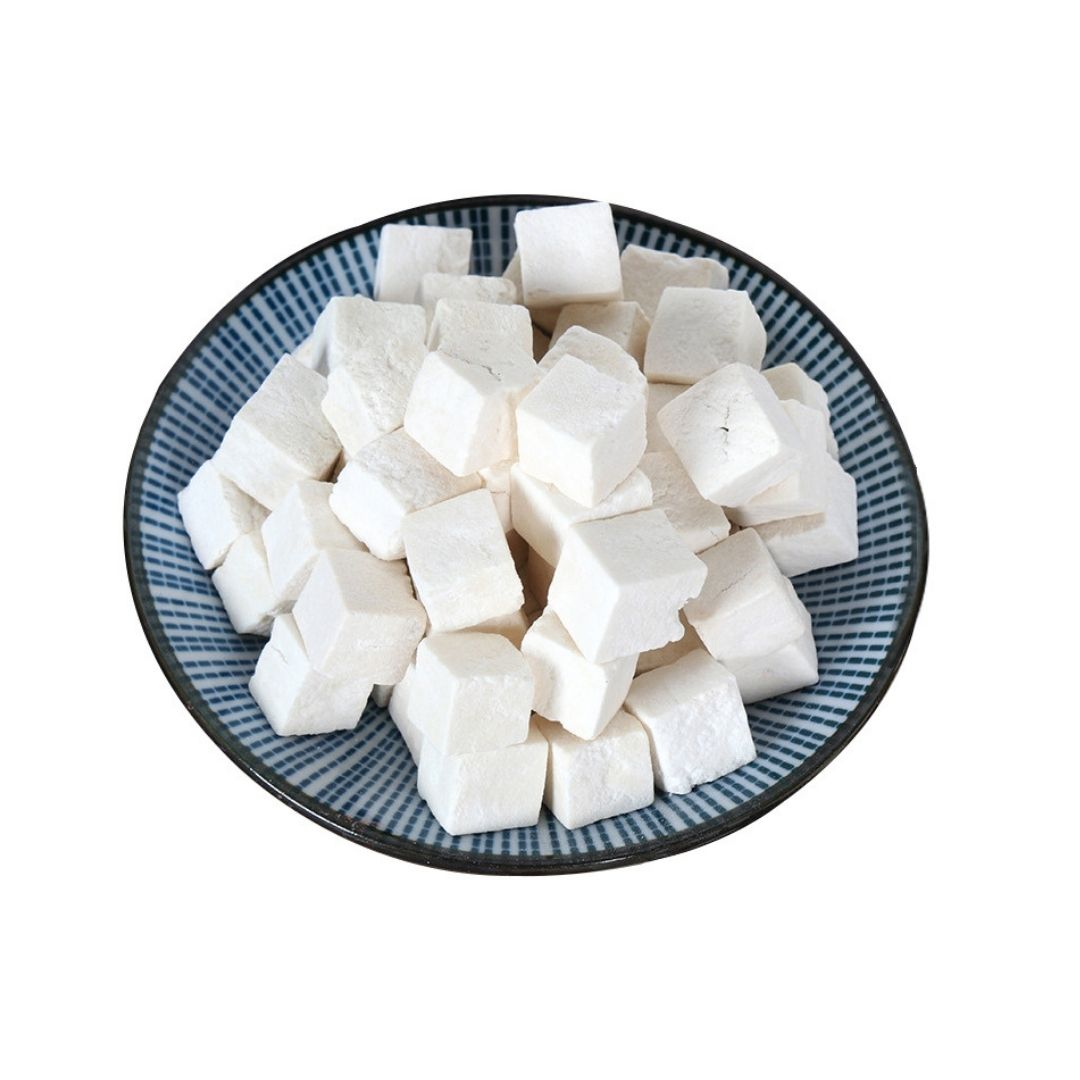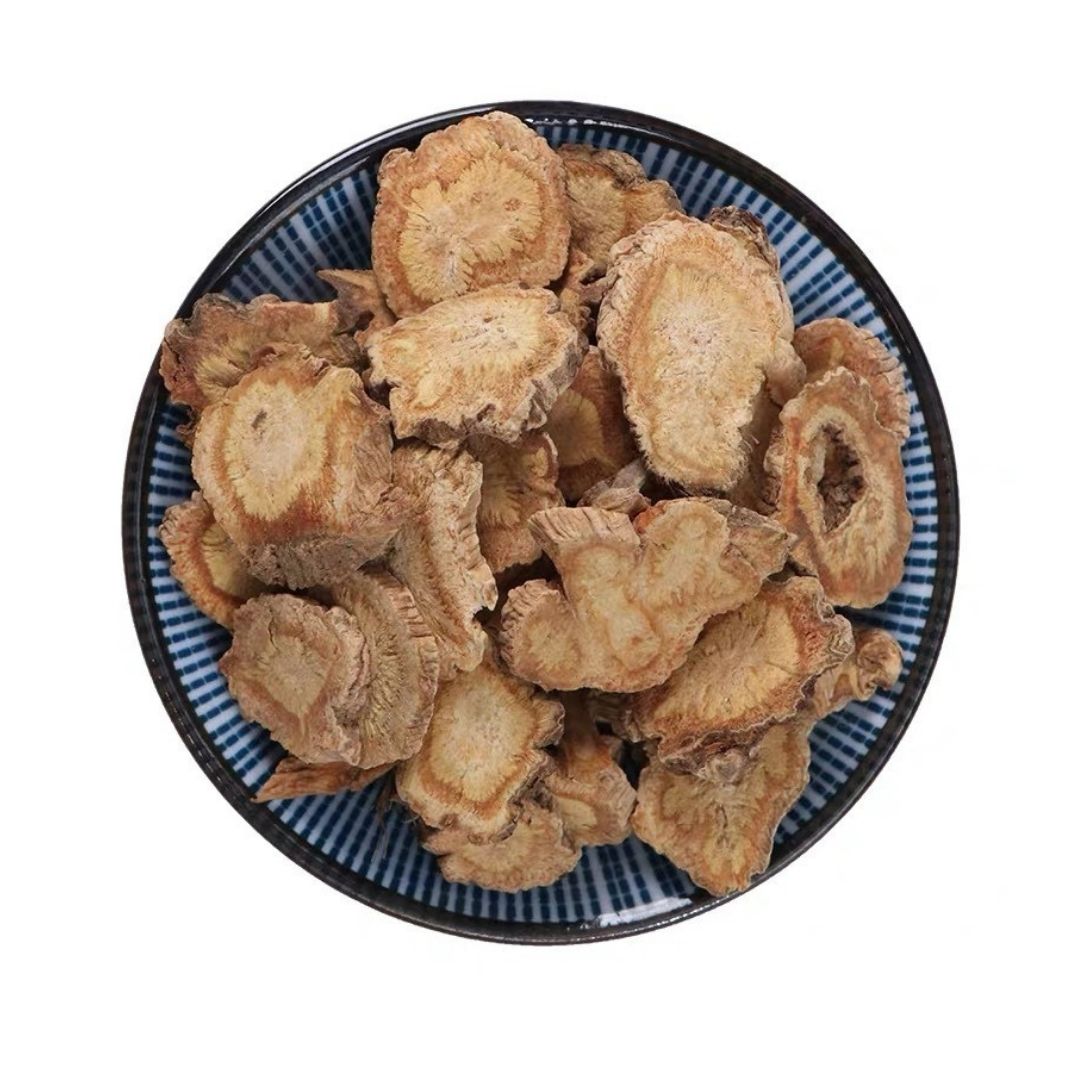


Product Introduction
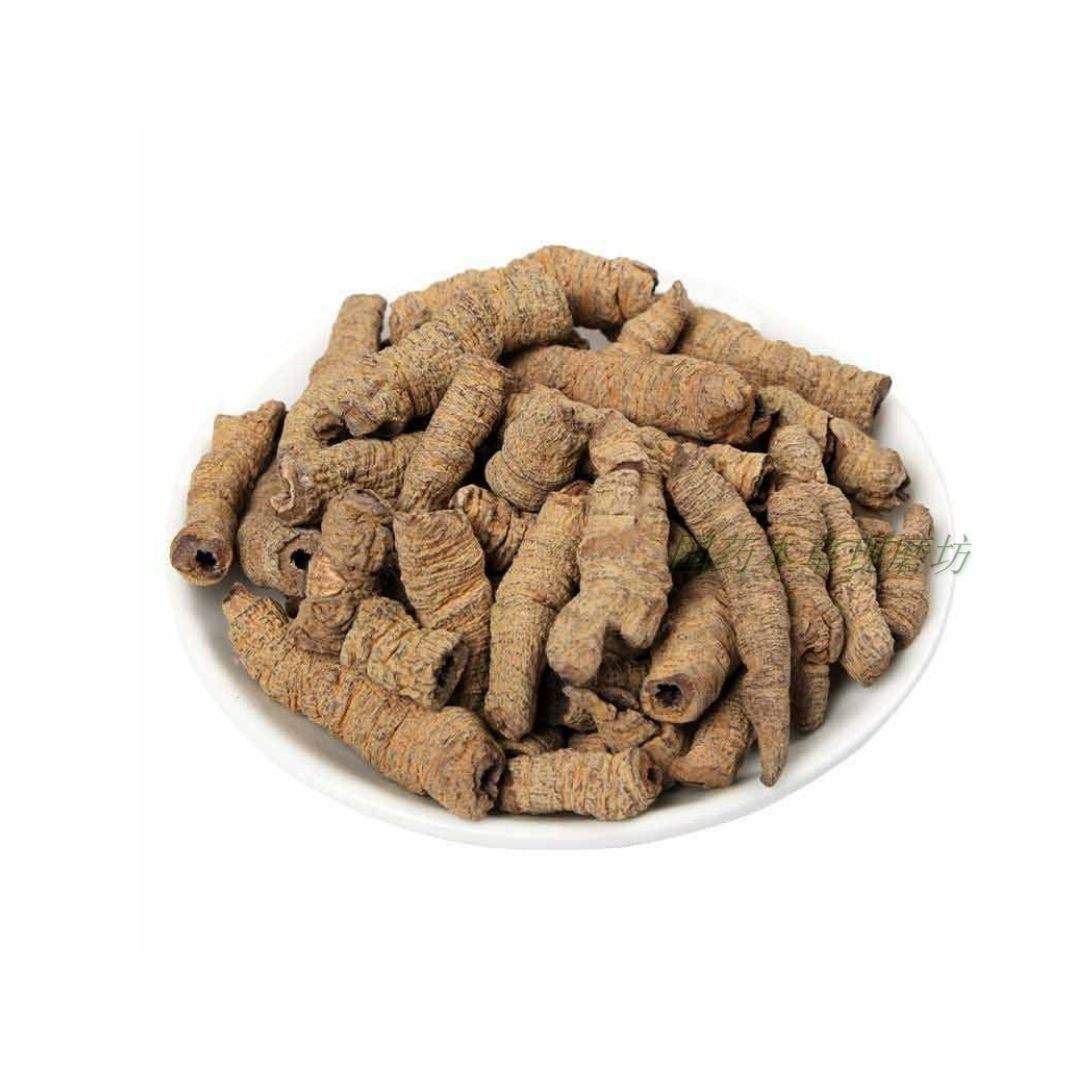
Saposhnikoviae Radix, commonly known as Fangfeng, is a widely used herb in traditional Chinese medicine. The herb's properties help to expel wind, dampness, and relieve pain, making it a valuable component in various herbal formulas. This herb is known for its ability to address exterior conditions, particularly those involving wind and dampness.
Main Active Ingredients
The therapeutic effects of Saposhnikoviae Radix are attributed to its diverse array of active ingredients. Chromones, such as prim-O-glucosylcimifugin, are significant constituents. Coumarins, including compounds like psoralen and bergapten, also contribute to its medicinal properties. Additionally, polysaccharides present in the herb play a role in its overall efficacy [1].
Product Application Scenarios, Usage, and Dosage
Saposhnikoviae Radix is frequently employed in the treatment of wind-cold-dampness syndromes, manifesting as headaches, body aches, and joint pain. It is also used for conditions like exterior wind causing itching and skin eruptions. The typical dosage ranges from 6 to 12 grams, usually administered in decoction form. It may also be found in patent medicines or used topically in some applications [2].
Introduction to the Source Plant, Distribution, and Growth Environment
Saposhnikovia divaricata (Turcz.) Schischk, the source plant of Saposhnikoviae Radix, is a perennial herb belonging to the Apiaceae family. It is primarily distributed in regions of Northeast China, North China, and Inner Mongolia. The plant thrives in sandy soils and sunny environments, typically found in grasslands, hillsides, and forest edges [3].
Harvesting, Processing, and Storage
The roots of Saposhnikovia divaricata are typically harvested in the spring or autumn. After harvesting, the roots are cleaned, dried, and cut into sections. Proper storage is crucial to maintain the herb's quality and efficacy. It should be stored in a cool, dry place, away from moisture and direct sunlight, to prevent mold and degradation of its active constituents [4].
Citations:
[1] Chinese Materia Medica. Shanghai Science and Technology Press. 2001.
[2] Bensky, D., Gamble, A., & Kaptchuk, T. (1993). Chinese Herbal Medicine: Materia Medica. Eastland Press.
[3] Flora of China. Missouri Botanical Garden, St. Louis, MO & Harvard University Herbaria, Cambridge, MA. Retrieved from http://www.efloras.org/.
[4] Pharmacopoeia of the People's Republic of China. Chinese Medical Science and Technology Press. 2020.
Mia Wu

Hi, I’m Mia Wu! I love helping customers discover the best natural ingredients for their products. With a passion for herbs, spices, and fungi, I work to make sure you get only the finest raw materials. Let's grow together! 🌱✨