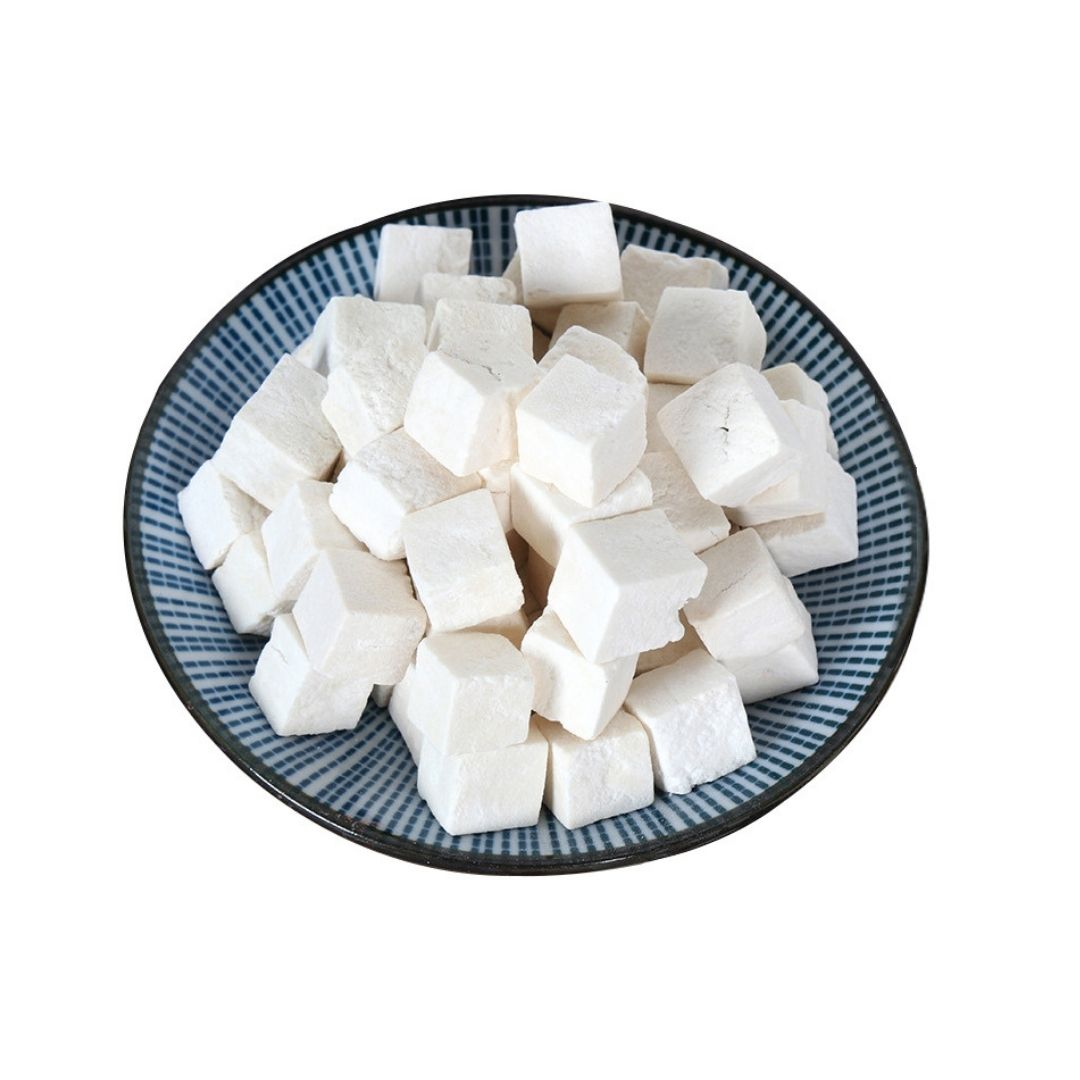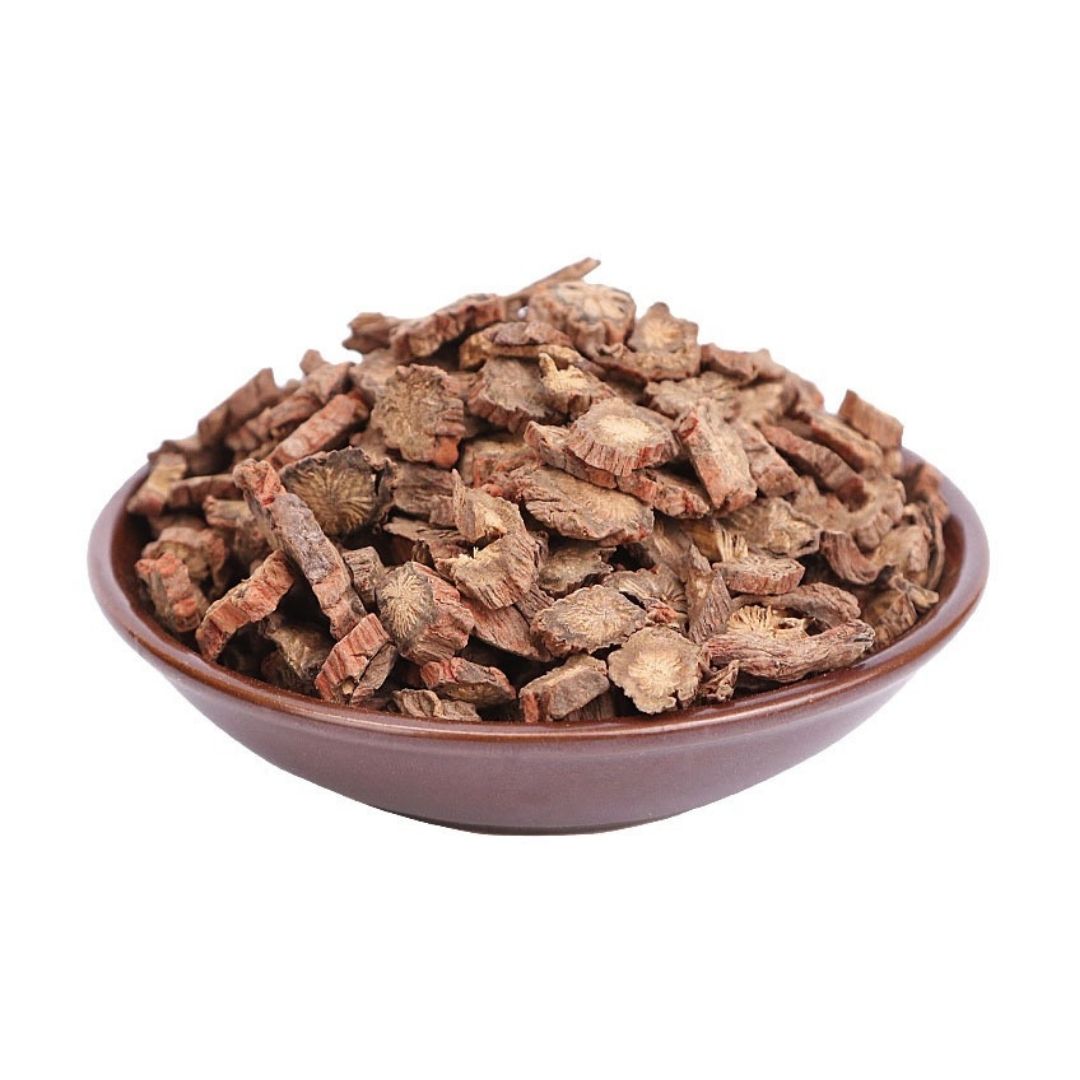


Product Introduction
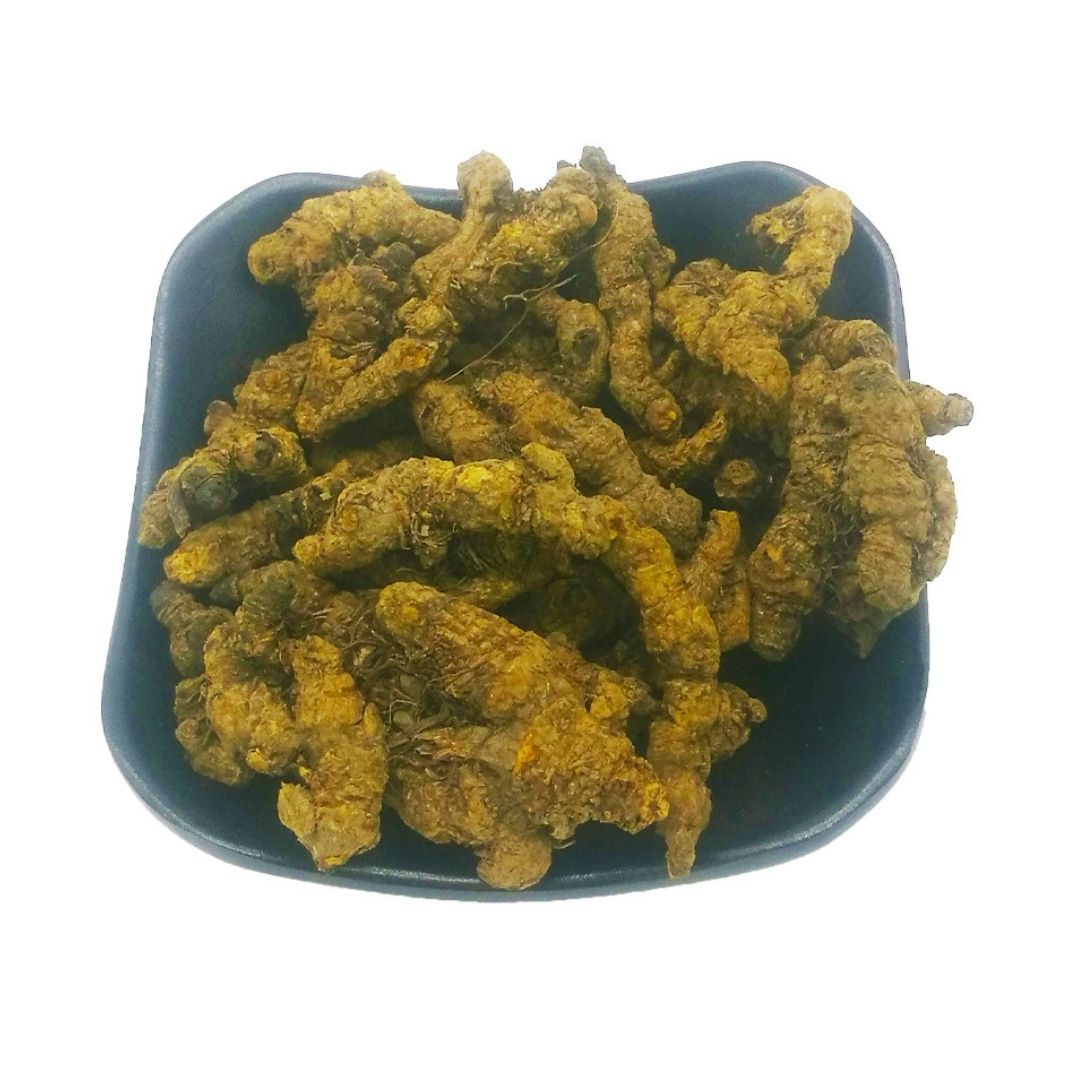
Salviae miltiorrhiza, commonly known as Danshen, it is a significant herb in traditional Chinese medicine, and it has been used for centuries, primarily for its cardiovascular benefits. The herb is well-regarded for its ability to invigorate blood flow, dispel blood stasis, and alleviate related conditions, according to traditional Chinese medicine principles. It is often incorporated into herbal formulas to address a variety of health issues rooted in blood circulation imbalances.
Main Active Ingredients
The primary active components of Salviae miltiorrhiza include tanshinones and salvianolic acids. Tanshinones, such as tanshinone IIA, it is known for its antioxidant, anti-inflammatory, and vasodilatory effects. Salvianolic acid B is another important constituent, and it contributes to the herb's ability to protect against oxidative stress and support cardiovascular health. These compounds work synergistically to provide the therapeutic effects associated with Danshen. [^1^]
Product Application Scenarios, Usage, and Dosage
Salviae miltiorrhiza is used in various clinical scenarios, including cardiovascular diseases, such as angina pectoris and atherosclerosis. It can be used to improve blood circulation, reduce chest pain, and lower the risk of blood clot formation. The typical dosage of Danshen ranges from 9 to 15 grams per day, usually administered in decoction form. The herb can also be found in capsules, tablets, and injectable forms, depending on the specific treatment needs. In some cases, it is combined with other herbs to enhance its therapeutic effects. [^2^]
Introduction to the Source Plant, Distribution, and Growth Environment
Salvia miltiorrhiza is a perennial plant belonging to the Lamiaceae family. The plant is native to China and is primarily found in the provinces of Sichuan, Jiangsu, and Anhui. It prefers to grow in sunny locations with well-drained soil. The plant typically reaches a height of 30 to 60 centimeters, characterized by its oblong leaves and reddish-purple flowers. The roots, which are the medicinally valuable part, are typically harvested in the fall. [^3^]
Harvesting, Processing, and Storage
The roots of Salvia miltiorrhiza are typically harvested in the autumn months. After harvesting, the roots are cleaned, dried, and often sliced into thin pieces. The drying process is crucial to preserve the active compounds and prevent spoilage. Proper storage involves keeping the dried herb in a cool, dry place, away from direct sunlight and moisture, to maintain its potency and extend its shelf life. [^4^]
[^1^]: Zhou, L., Zuo, Z., Chow, M. S., & Chan, B. C. (2005). Danshen: a popular Chinese medicine for cardiovascular diseases. Journal of Cardiovascular Pharmacology, 46(6), 773-786.
[^2^]: Luo, Y., Li, H., Zhang, Y., Zhang, Q., & Liu, Y. (2020). Salvia miltiorrhiza: A source of active compounds with multifaceted cardiovascular protective effects. European Journal of Medicinal Chemistry, 192, 112165.
[^3^]: Zhao, Z. Z., Liang, Z. T., & Yip, C. W. (2010). Authentication of Chinese medicines. Journal of Food and Drug Analysis, 18(6).
[^4^]: Ouyang, D., et al. "Optimization of drying process for Salvia miltiorrhiza bunge based on chemical profiles and antioxidant activity." Journal of Pharmaceutical and Biomedical Analysis 148 (2018): 77-84.
Mia Wu

Hi, I’m Mia Wu! I love helping customers discover the best natural ingredients for their products. With a passion for herbs, spices, and fungi, I work to make sure you get only the finest raw materials. Let's grow together! 🌱✨