Product Introduction
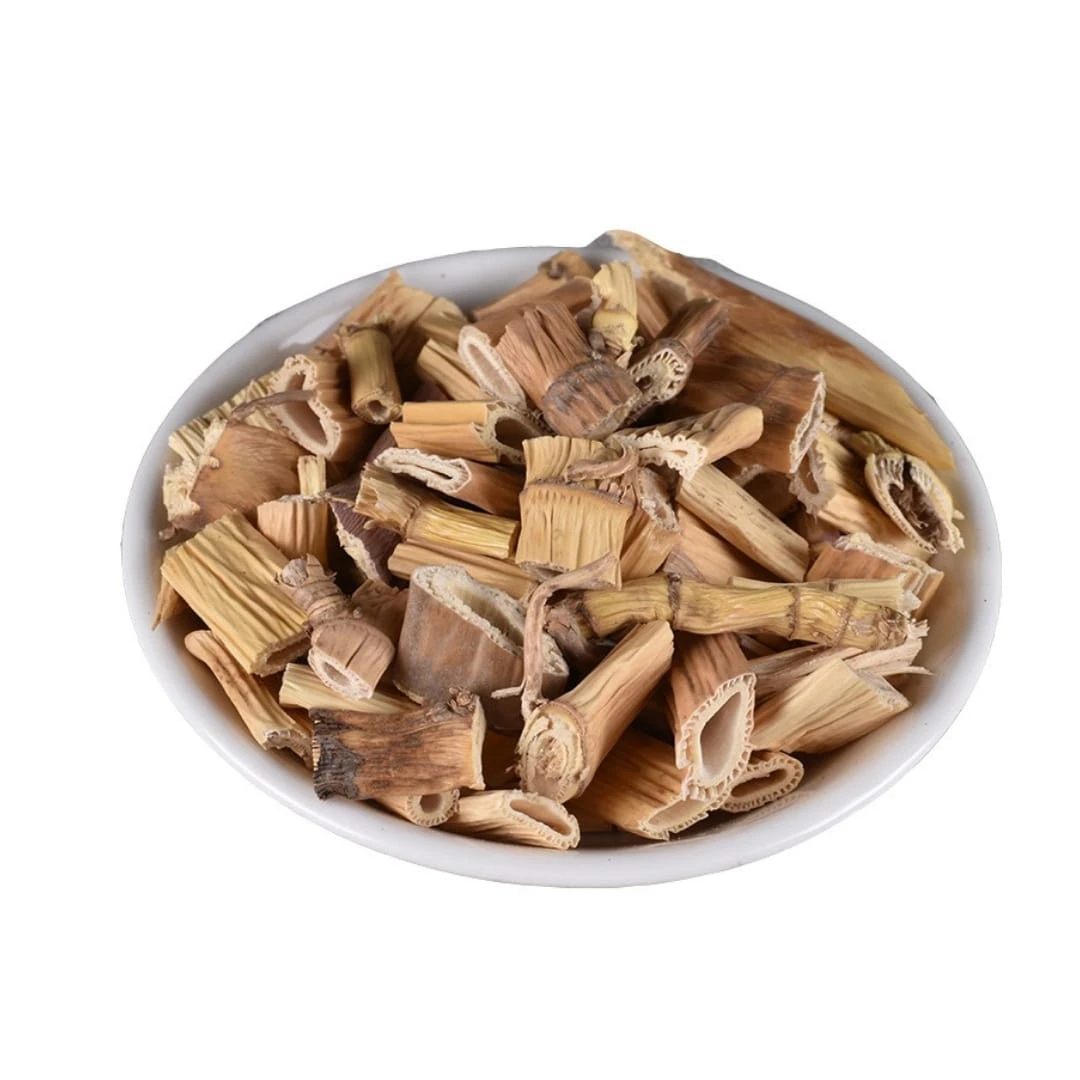
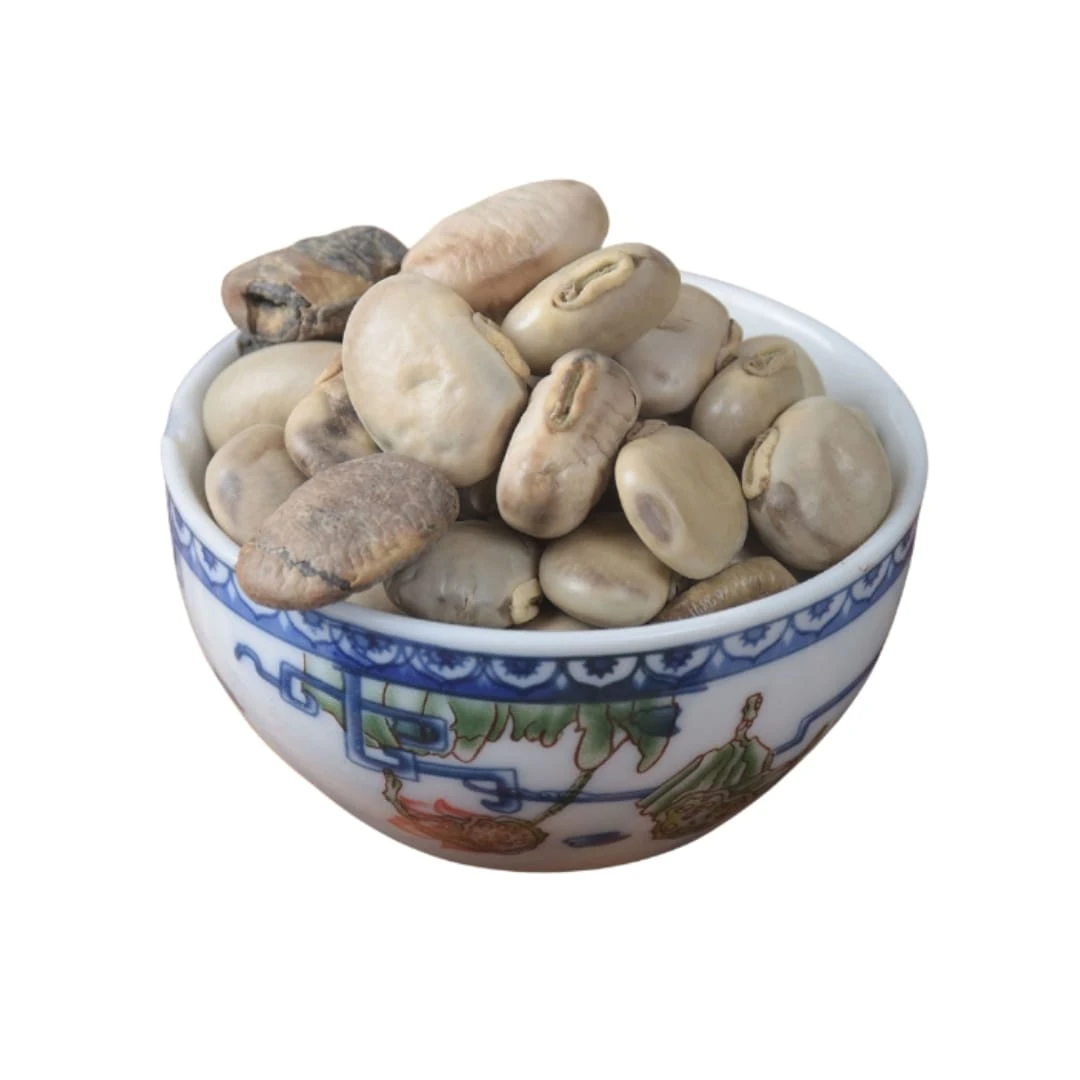
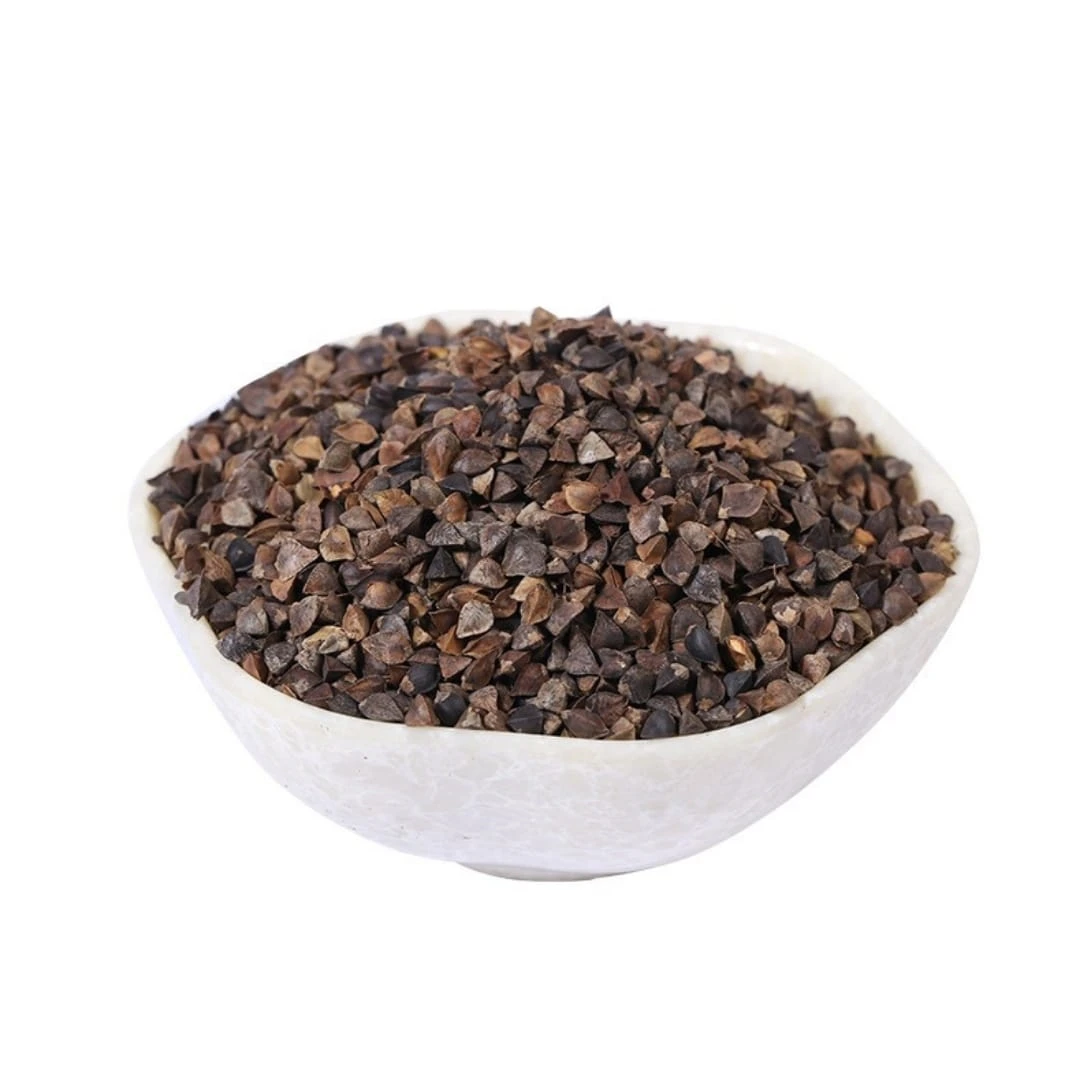
The root or seed of Tangut Anisodus, is a significant herb in traditional medicine, valued for its therapeutic properties, particularly, in pain management and neurological support. Its usage is rooted, in ancient practices, and it continues to be studied for its potential health benefits today. The plant, from which it is derived, grows in specific regions, contributing to its unique chemical composition and, medicinal applications.
Main Active Ingredients
The primary active ingredients in the root or seed of Tangut Anisodus, are alkaloids, notably hyoscyamine and scopolamine. These compounds, are known for their anticholinergic effects, influencing the nervous system, and, reducing spasms. These components, are responsible for the herb's analgesic and, sedative properties. The concentration of these alkaloids, can vary depending on the plant's origin, and the harvesting period.
Product Application Scenarios, Usage, and Dosage
In traditional applications, the root or seed of Tangut Anisodus, is used to alleviate pain, particularly, that associated with neuralgia and arthritis. It may also, be employed in managing conditions involving spasms or excessive secretions. The dosage often depends on the specific condition, and the individual's response to the herb, however, it should be administered under the guidance of a qualified healthcare practitioner due to its potent effects (https://www.ncbi.nlm.nih.gov/pmc/articles/PMC5613338/). Proper preparation and monitoring are essential, to avoid adverse effects, given the herb's strong bioactive components.
Introduction to the Source Plant, Distribution, and Growth Environment
Anisodus tanguticus, the source plant, is native to the high-altitude regions of the Tibetan Plateau, and surrounding areas in China. This plant, thrives in cold, arid environments, typically found on mountain slopes and grasslands. Its growth, is influenced by the unique climate and soil conditions of these regions. The plant's ability, to survive in harsh conditions contributes to the development of its potent medicinal compounds
Harvesting, Processing, and Storage
The root or seed of Anisodus tanguticus, are typically harvested in the autumn, when the plant's active ingredients are believed to be at their peak concentration. After harvesting, the roots or seeds, are cleaned, dried, and processed to preserve their medicinal properties. Proper drying, is crucial to prevent mold growth, and maintain the herb's efficacy. The dried herb, should be stored in a cool, dry place, away from light and moisture, to ensure its long-term stability, and potency
Mia Wu

Hi, I’m Mia Wu! I love helping customers discover the best natural ingredients for their products. With a passion for herbs, spices, and fungi, I work to make sure you get only the finest raw materials. Let's grow together! 🌱✨