

Product Introduction
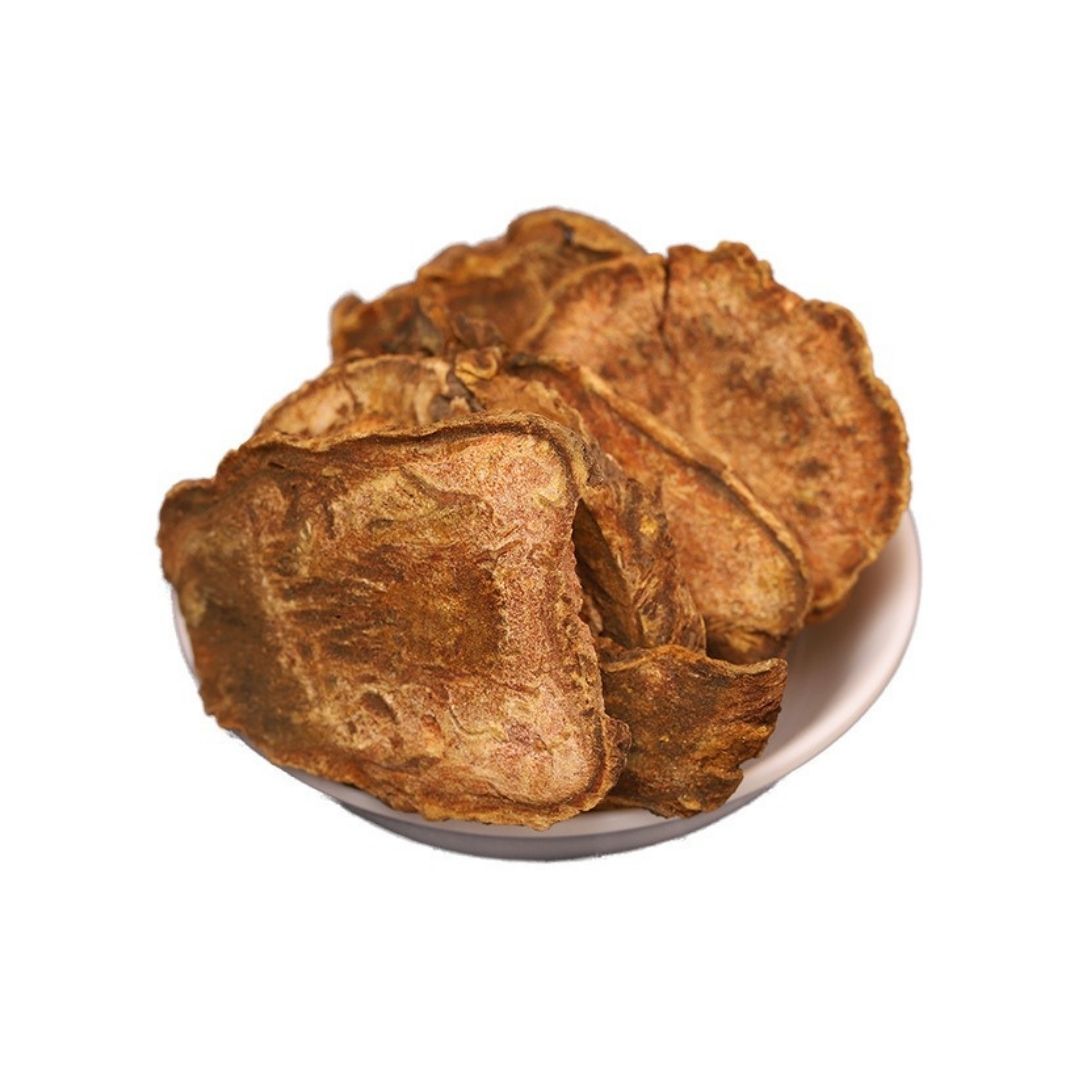
Rhubarb, known as Da Huang in traditional Chinese medicine (TCM), refers to the dried roots and rhizomes of several Rheum species, mainly Rheum palmatum L., Rheum tanguticum Maxim. ex Regel, and Rheum officinale Baill. The herb has been used for thousands of years as a potent purgative and is employed in various TCM formulas to address digestive and circulatory issues. Its use requires caution and an understanding of its properties.
Main Active Ingredients
The primary active components in rhubarb are anthraquinones, including rhein, emodin, and aloe-emodin. These compounds contribute to its purgative effect by stimulating intestinal motility and reducing water absorption in the large intestine. The tannins present have astringent properties, which can provide some balance to its strong laxative action. Other constituents, such as flavonoids and polysaccharides, contribute to the herb’s overall therapeutic profile [1].
Product Application Scenarios, Usage, and Dosage
Rhubarb is typically used to relieve constipation, clear heat, and resolve blood stasis. It is often prescribed for patients experiencing acute constipation due to heat accumulation in the intestines. It is also employed in formulas aimed at promoting blood circulation and dispelling blood stasis, useful in conditions like amenorrhea or postpartum abdominal pain. Additionally, rhubarb can be applied topically to treat burns and skin infections due to its anti-inflammatory and antibacterial properties [2].
Dosage varies depending on the specific condition and the patient's constitution. A common oral dosage is between 3 to 15 grams, typically used in decoctions. Because of its potent effect, rhubarb is often added towards the end of the decoction process to prevent excessive purging action The appropriate usage and dosage should be determined by a qualified TCM practitioner [3].
Introduction to the Source Plant, Distribution, and Growth Environment
Rheum palmatum, Rheum tanguticum, and Rheum officinale are perennial plants belonging to the Polygonaceae family. These species are native to China, particularly in the western and northern regions. They thrive in cool, moist environments, often found in mountainous areas with good drainage and rich soil. The plants can grow to a height of 1 to 2 meters, characterized by large, palmate leaves and tall flowering stalks [4].
Harvesting, Processing, and Storage
Rhubarb roots and rhizomes are typically harvested in the autumn after the stems and leaves have withered. The harvested material is then cleaned, cut into sections, and dried, either in the sun or using artificial heat. Proper drying is crucial to prevent mold growth and preserve the herb’s potency. After drying, rhubarb is stored in a cool, dry, and well-ventilated place to maintain its quality and prevent degradation [5]. It is often stored away from direct light and moisture to prevent deterioration.
Citations
[1] P, et al. "Rhubarb: phytochemistry and pharmacology." Chinese Medicine 10.1 (2015): 1-18.
[2] Liang, Wen-Hua, et al. "Rhein: A review of pharmacological activities." Chinese journal of integrative medicine 18 (2012): 650-656.
[3] Chen, John K., and Tina T. Chen. Chinese Medical Herbology and Pharmacology. City of Industry, CA: Art of Medicine Press, 2004.
[4] McGuffin, Michael, et al. Herbs of Commerce, 2nd Edition. American Herbal Products Association, 2000.
[5] Bensky, Dan, Steven Clavey, Erich Stöger, and Andrew Gamble. Chinese Herbal Medicine: Materia Medica, 3rd Edition. Seattle, WA: Eastland Press, 2004.
Mia Wu

Hi, I’m Mia Wu! I love helping customers discover the best natural ingredients for their products. With a passion for herbs, spices, and fungi, I work to make sure you get only the finest raw materials. Let's grow together! 🌱✨