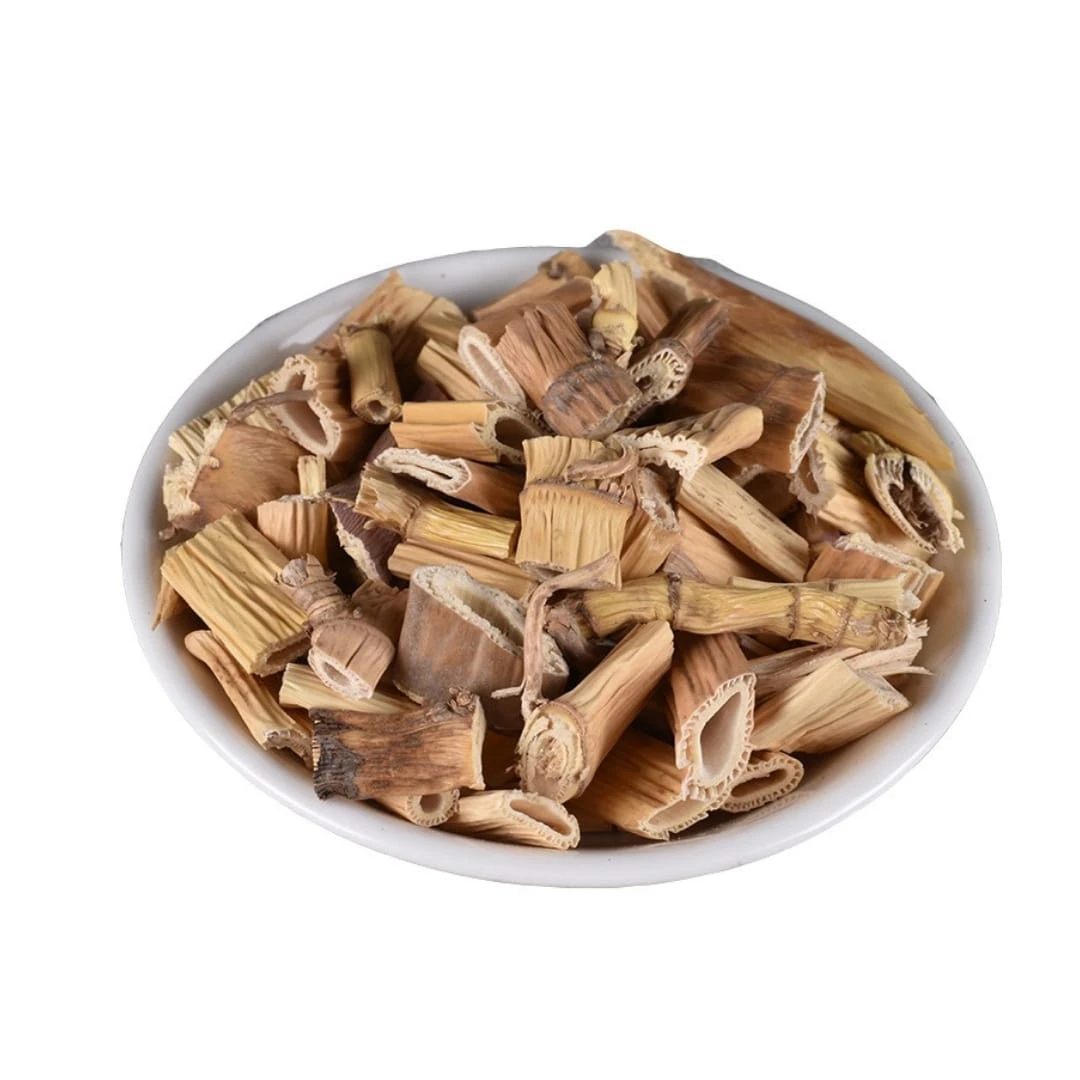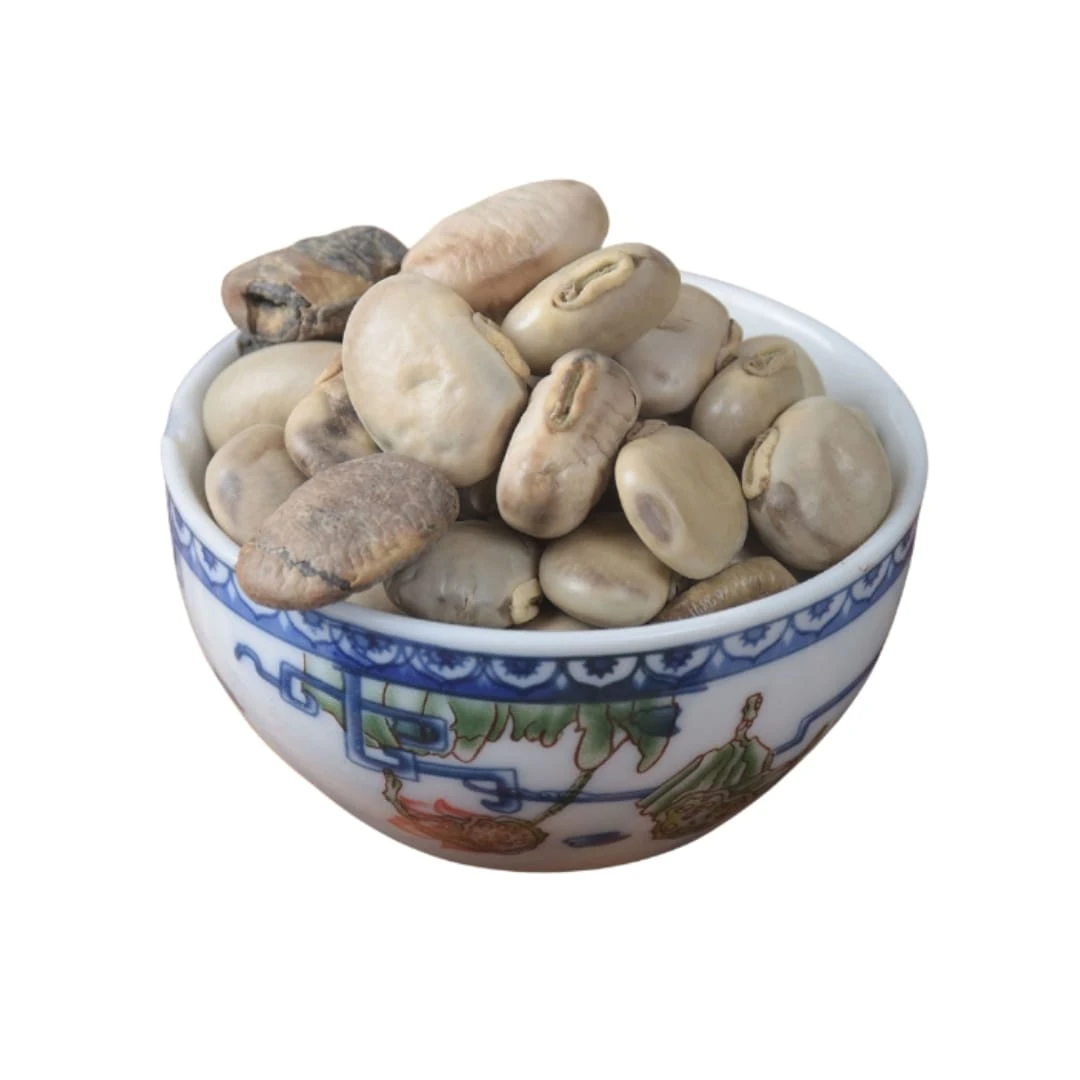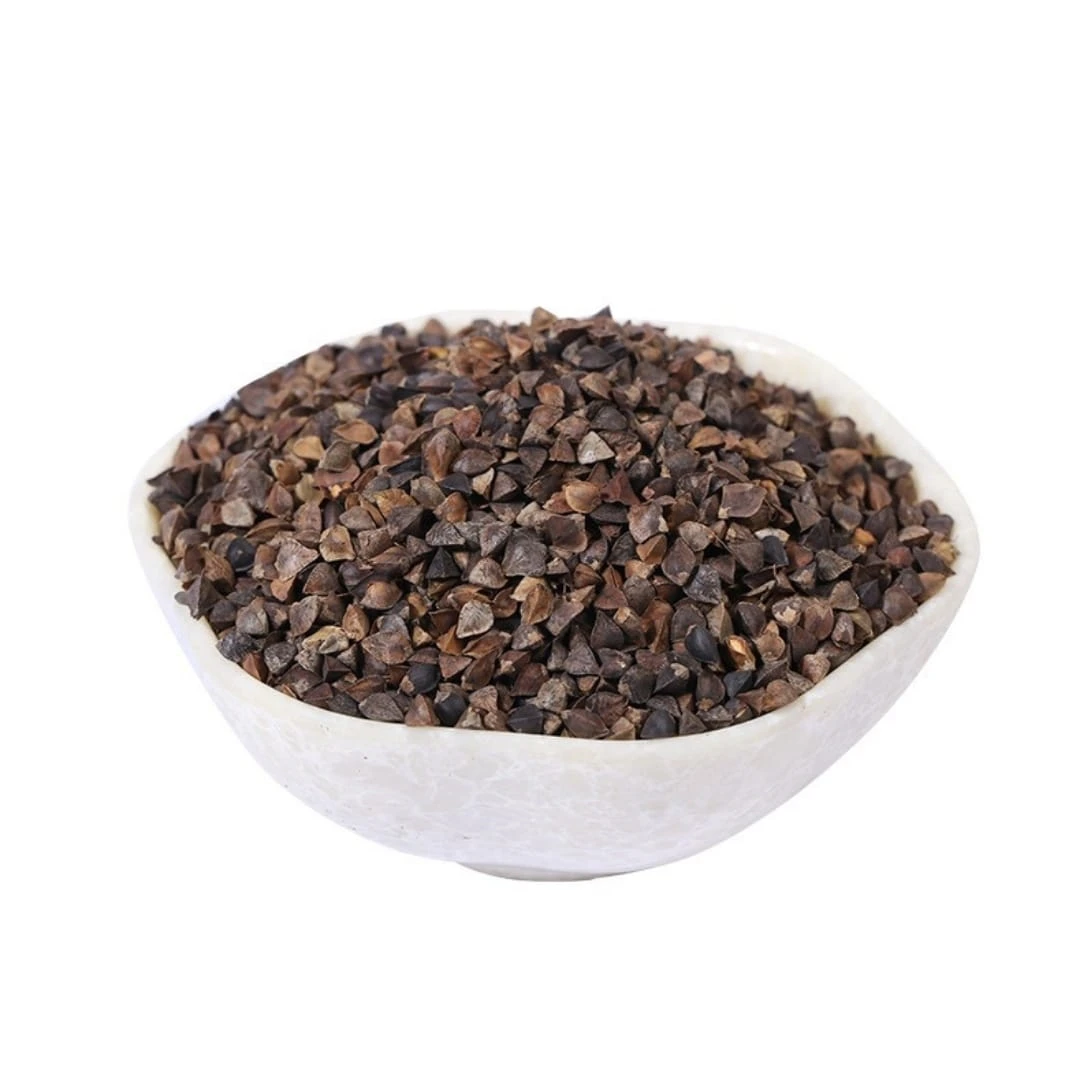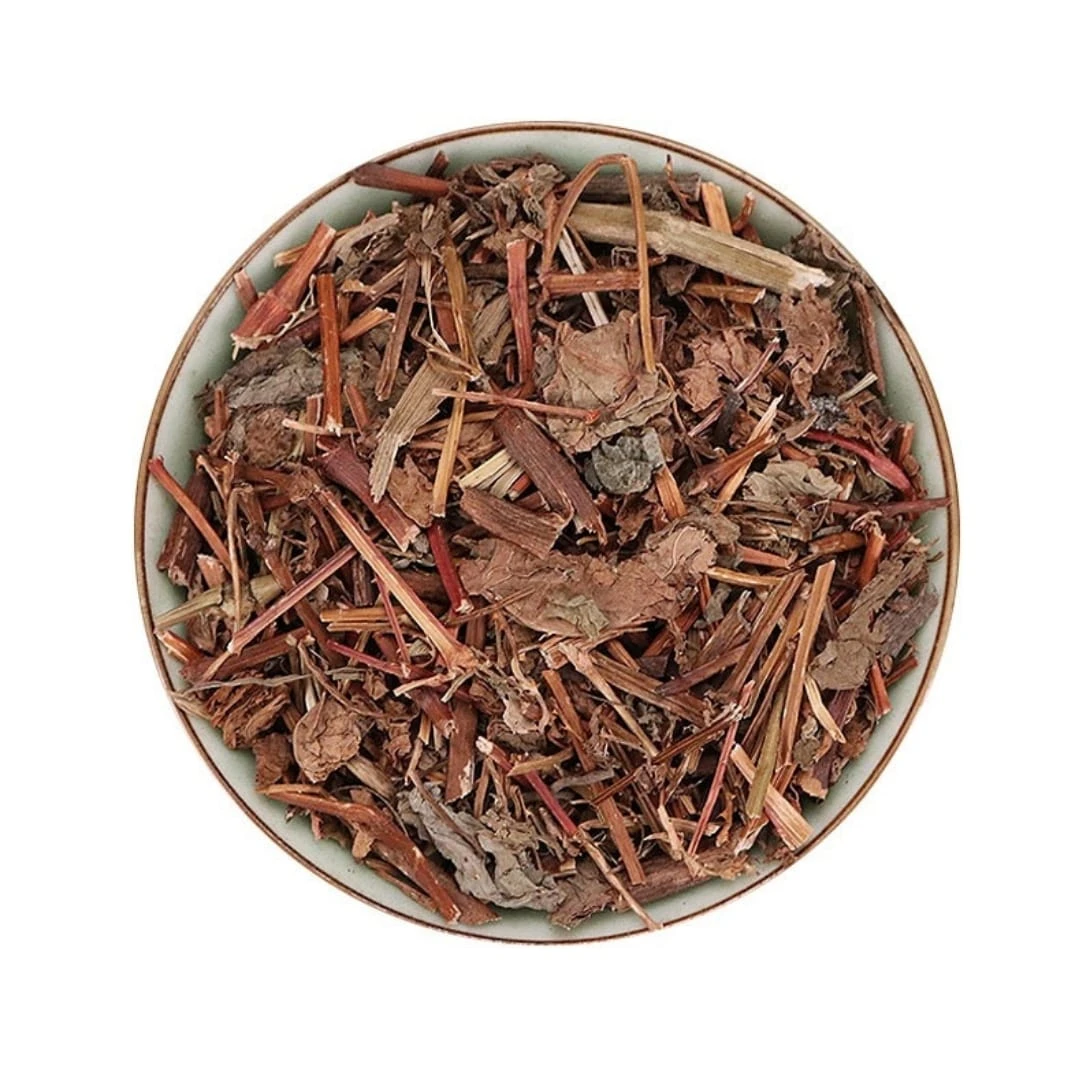


Product Introduction
Rhizoma Ligustici is a significant component of traditional Chinese medicine, valued for its therapeutic properties. It is sourced from specific plants within the Ligusticum genus. This herb is particularly recognized for its ability to address conditions related to wind and dampness, often manifesting as pain or discomfort in various parts of the body.
Main Active Ingredients
The efficacy of Rhizoma Ligustici is attributed to its complex chemical composition, with volatile oils being the most notable. Ligustilide, a major constituent of these oils, contributes significantly to the herb's therapeutic effects. These compounds are believed to interact with the body's physiological systems, promoting pain relief and reducing inflammation.
Product Application Scenarios, Usage, and Dosage
In clinical practice, Rhizoma Ligustici is frequently used to treat headaches, especially those occurring in the vertex region, and body aches resulting from exposure to wind and dampness. It is also employed in formulations targeting skin disorders characterized by itching and inflammation. Typically, the herb is administered in decoctions, with dosages ranging from 3 to 9 grams per day. It can also be found in certain topical preparations.
Introduction to the Source Plant, Distribution, and Growth Environment
Ligusticum sinense Oliv. and Ligusticum jeholense Nakai et Kitag are perennial plants native to specific regions of China. These plants thrive in mountainous areas, favoring moist, shaded environments. Their distribution is largely confined to the northern and northeastern parts of China, where the climate and soil conditions support their growth.
Harvesting, Processing, and Storage
The rhizomes of Ligusticum sinense or Ligusticum jeholense are typically harvested in the autumn. After harvesting, the rhizomes are cleaned to remove soil and debris, then dried, either in the sun or through artificial means. Proper drying is essential to prevent spoilage and preserve the herb's active constituents. Once dried, the rhizomes are stored in a well-ventilated, dry environment to maintain their quality and efficacy over time.
Citations
- The State Pharmacopoeia Commission of the People’s Republic of China. (2020). Pharmacopoeia of the People’s Republic of China. China Medical Science and Technology Press.
- Li, H., et al. (2018). Chemical composition and bioactivity of essential oil from Ligusticum sinense. Journal of Ethnopharmacology, 210, 285-292.
- Zhao, Z. Z., et al. (2003). Authentication of Chinese medicinal herbs: a review. Journal of Chromatography A, 1000(1-2), 207-234.
Mia Wu

Hi, I’m Mia Wu! I love helping customers discover the best natural ingredients for their products. With a passion for herbs, spices, and fungi, I work to make sure you get only the finest raw materials. Let's grow together! 🌱✨