
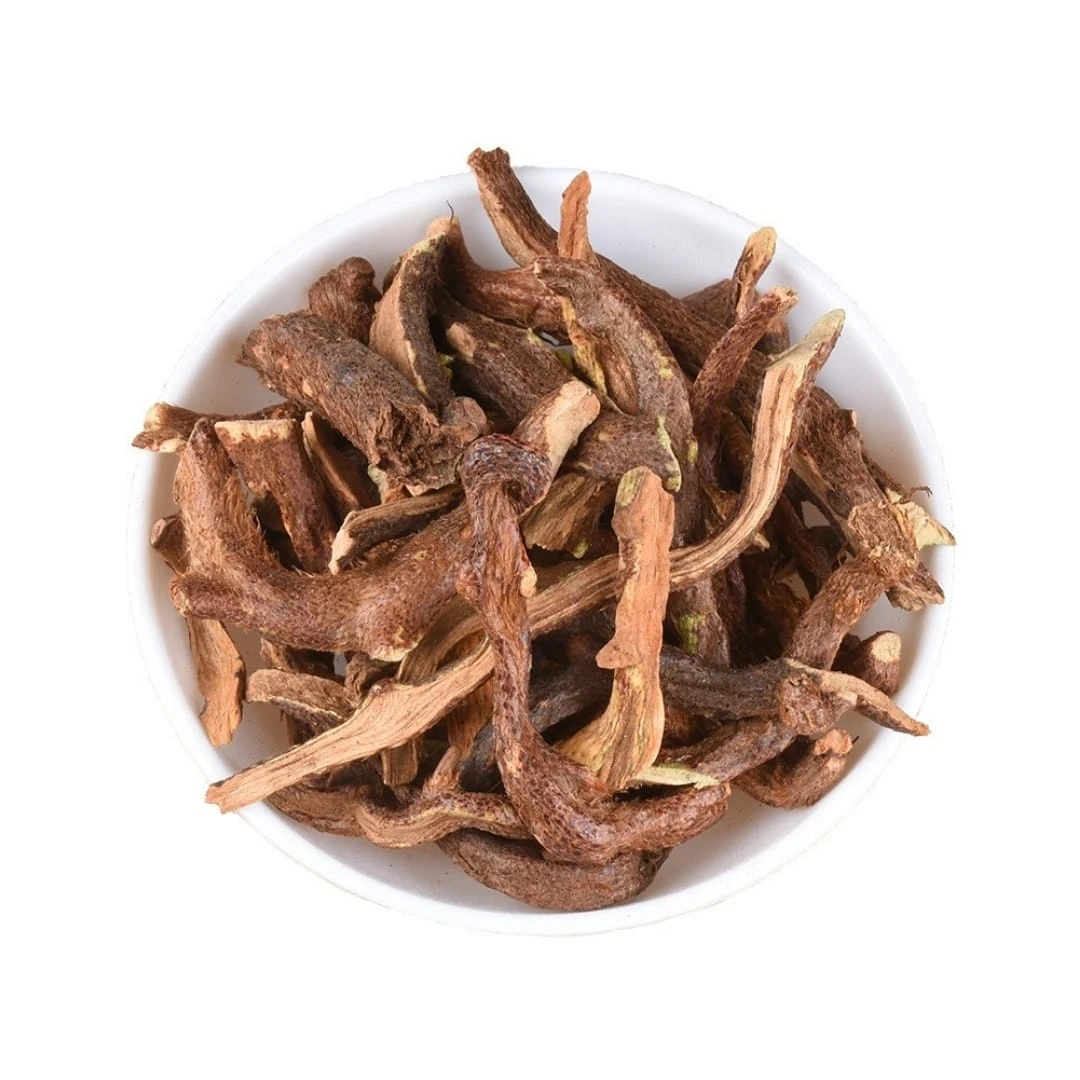


Product Introduction
Rhizoma Drynariae, also known as Gu Sui Bu, is a traditional herb widely used in traditional Chinese medicine. The herb is primarily sourced from the rhizomes of various plants belonging to the Drynaria genus. It is valued for its potential therapeutic effects, particularly in promoting bone health and treating injuries.
Main Active Ingredients
Rhizoma Drynariae contains several active compounds that contribute to its medicinal properties. Flavonoids are among the key constituents, known for their antioxidant and anti-inflammatory effects. Naringin, another significant component, has been studied for its potential to enhance bone regeneration.
Product Application Scenarios, Usage, and Dosage
Rhizoma Drynariae is traditionally used to address bone fractures and related injuries. It may help alleviate pain, promote healing, and strengthen bones. The typical dosage of Rhizoma Drynariae is usually between 9 to 15 grams. This dosage is generally administered in decoction form. It can be used alone or combined with other complementary herbs to treat various conditions. This encompasses conditions such as tinnitus and toothaches.
Introduction to the Source Plant, Distribution, and Growth Environment
The plants from which Rhizoma Drynariae is derived are commonly found in various regions of Asia. These plants thrive in humid environments, often growing on rocks or trees, and benefit from the moisture and indirect sunlight found in these habitats.
Harvesting, Processing, and Storage
The rhizomes are typically harvested in the fall and winter seasons. After harvesting, they are cleaned, dried, and then sliced into thin pieces. Proper storage is essential to maintain the herb’s quality. It should be kept in a cool, dry environment, shielded from direct sunlight and moisture, to preserve its medicinal properties.
Citations
- A review of the traditional uses, phytochemistry, pharmacology and toxicity of Drynaria quercifolia (L.) J. Sm.
- Gu-Sui-Bu: a review of its traditional uses, phytochemistry and pharmacology
Mia Wu

Hi, I’m Mia Wu! I love helping customers discover the best natural ingredients for their products. With a passion for herbs, spices, and fungi, I work to make sure you get only the finest raw materials. Let's grow together! 🌱✨







