

Product Introduction
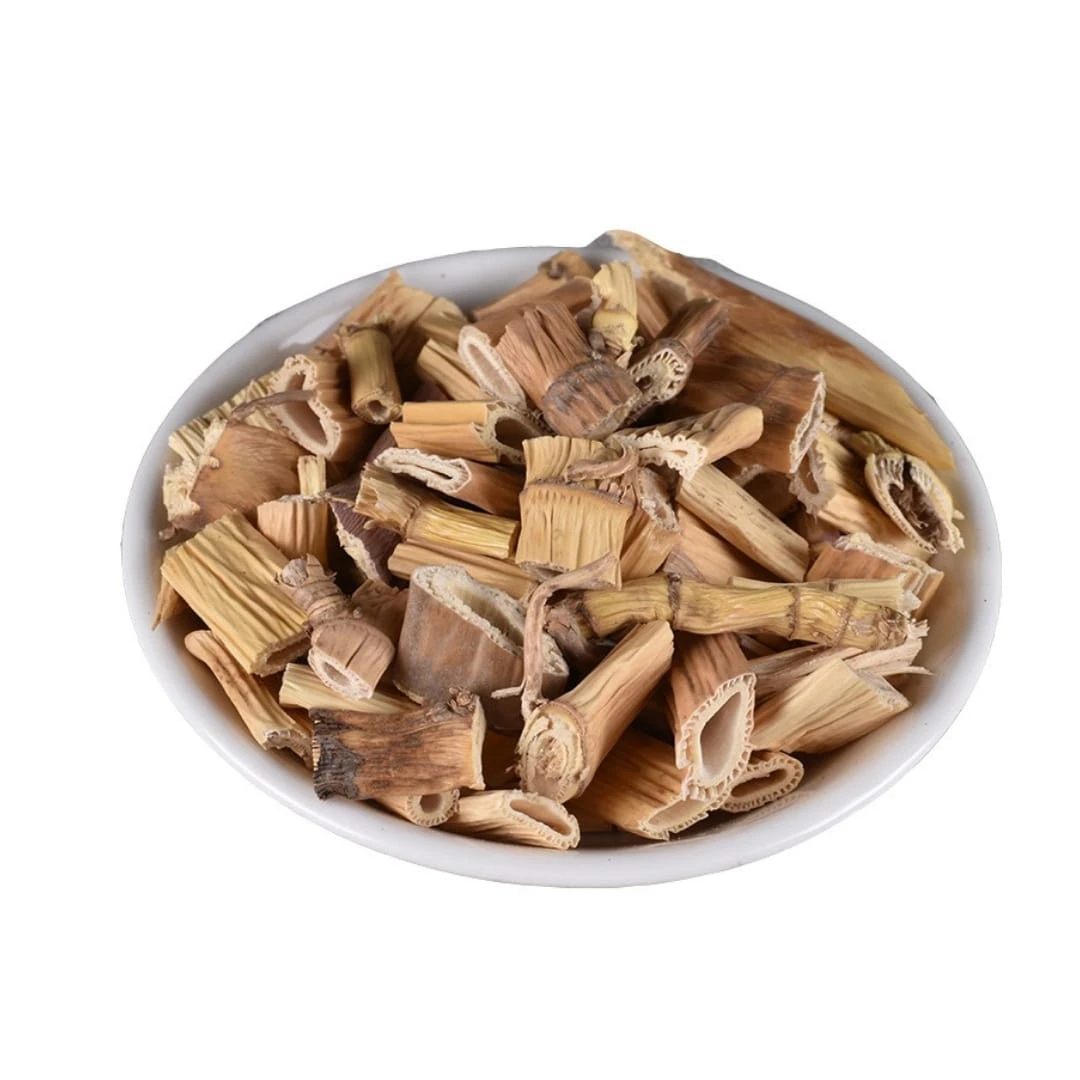
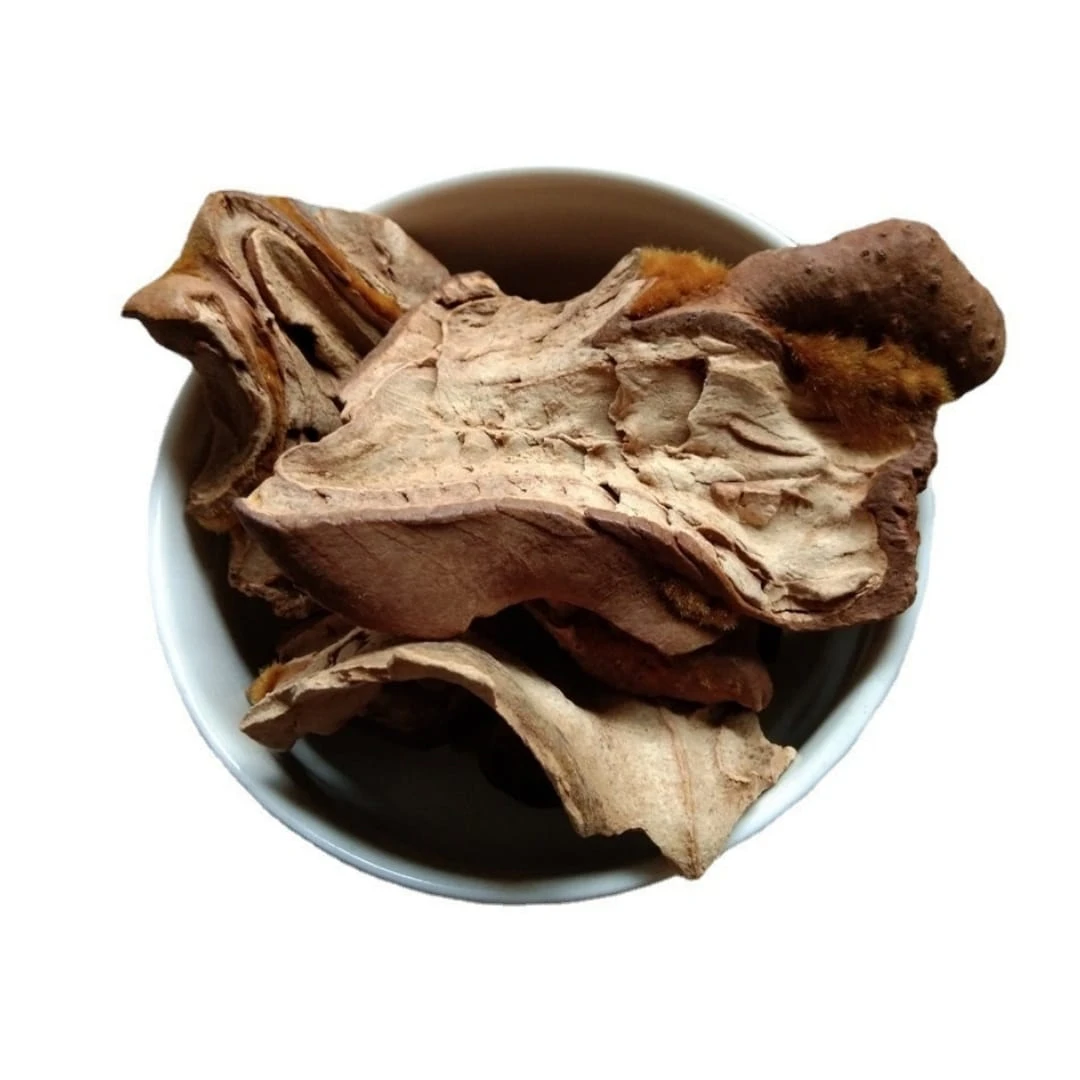
Rhizoma Cibotii, derived from the Cibotium barometz plant, holds a significant place in traditional Chinese medicine. It is primarily recognized for its therapeutic effects on the lower back and knees, often used to address conditions associated with weakness and discomfort in these areas. The herb is valued for both its ability to alleviate symptoms and to support overall health and wellness, according to traditional uses.
Main Active Ingredients
The primary active ingredients found within Rhizoma Cibotii include starch, tannins, and flavonoids. These compounds contribute to its medicinal properties. For example, tannins possess astringent qualities, while flavonoids are known for their antioxidant effects. The combination of these components contributes to its overall therapeutic potential.
Product Application Scenarios, Usage, and Dosage
Rhizoma Cibotii is commonly used in traditional Chinese medicine to address lower back pain, knee weakness, and rheumatic conditions. It is most often administered in decoctions. A typical dosage usually ranges from 9 to 15 grams, it is often combined with other herbs to enhance its effects. For example, it can be found as a component in a formula designed to address chronic lower back pain from Kidney deficiency.
Introduction to the Source Plant, Distribution, and Growth Environment
Cibotium barometz, the source plant of Rhizoma Cibotii, is a large fern species. It thrives in humid, shady environments, often found in the subtropical regions of Southeast Asia, including southern China, Vietnam, and Malaysia. These ferns prefer moist, well-drained soils and are often located in mountainous or forested areas.
Harvesting, Processing, and Storage
The rhizomes of Cibotium barometz are typically harvested in the fall and winter seasons. After harvesting, the rhizomes are cleaned, and then dried in the sun or by artificial means. Once dried, the rhizomes are sliced into thick pieces, ready for use in herbal preparations. Proper storage involves keeping the dried Rhizoma Cibotii in a cool, dry, and well-ventilated location to prevent mold growth and insect infestation, ensuring its quality and potency are maintained.
Citations
- Chen, J. K., & Chen, T. T. (2004). Chinese Herbal Formulas and Applications: Pharmacological Effects & Clinical Research. Art of Medicine Press.
- Bensky, D., Gamble, A., & Kaptchuk, T. (1993). Chinese Herbal Medicine: Materia Medica. Eastland Press.
- Liao, J. C. (2003). Chinese Herbal Medicinals. Healing Arts Press.
Mia Wu

Hi, I’m Mia Wu! I love helping customers discover the best natural ingredients for their products. With a passion for herbs, spices, and fungi, I work to make sure you get only the finest raw materials. Let's grow together! 🌱✨