

Product Introduction
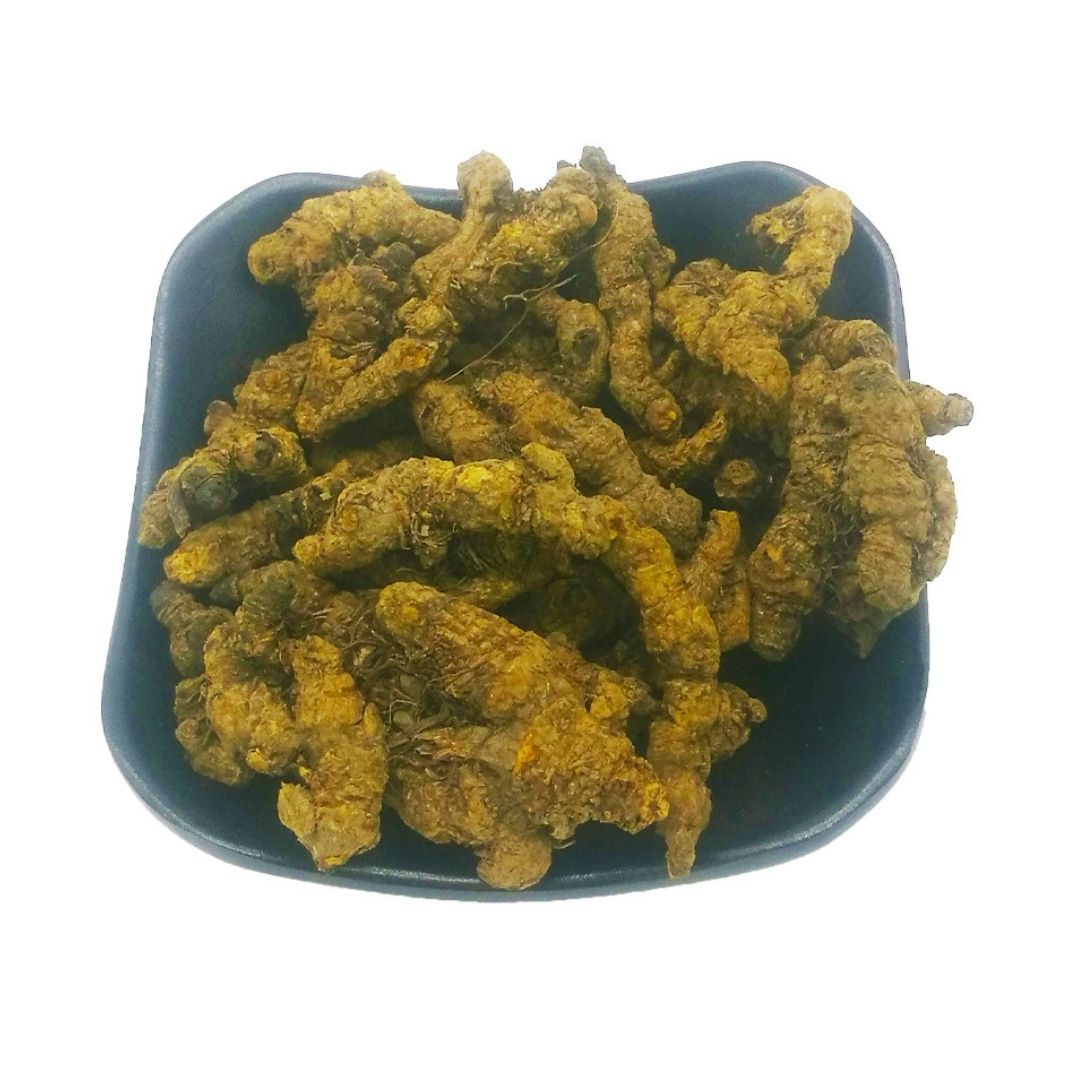
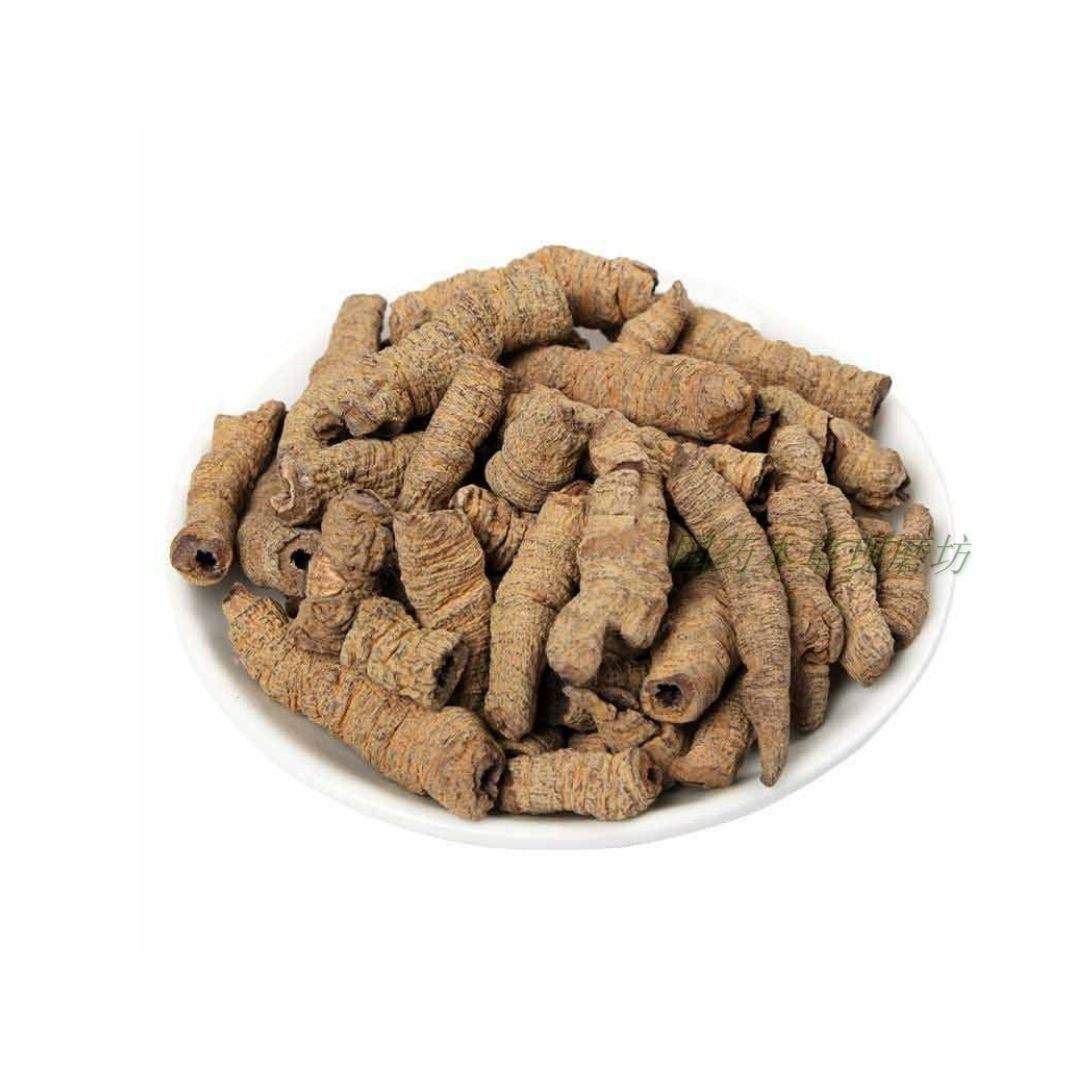
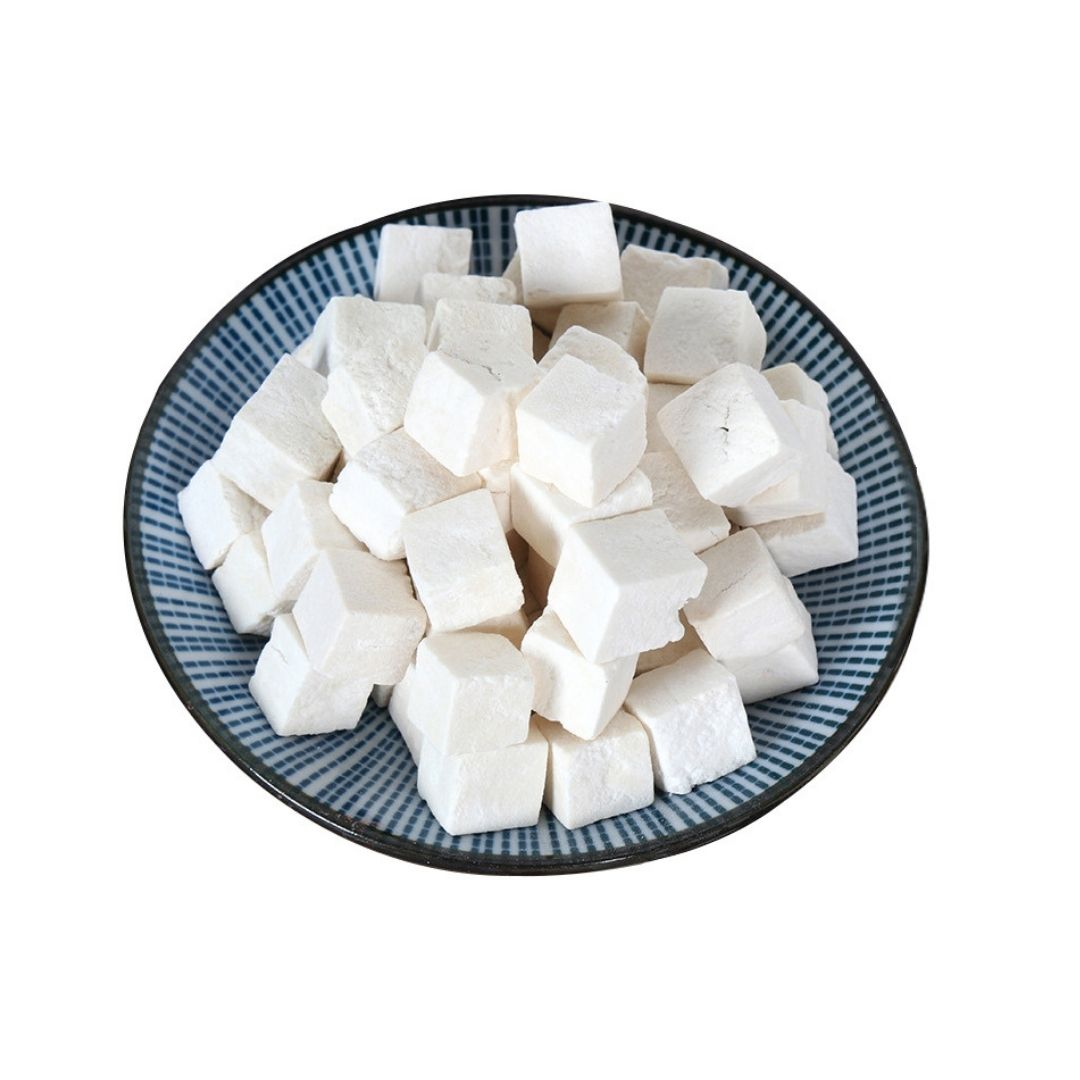
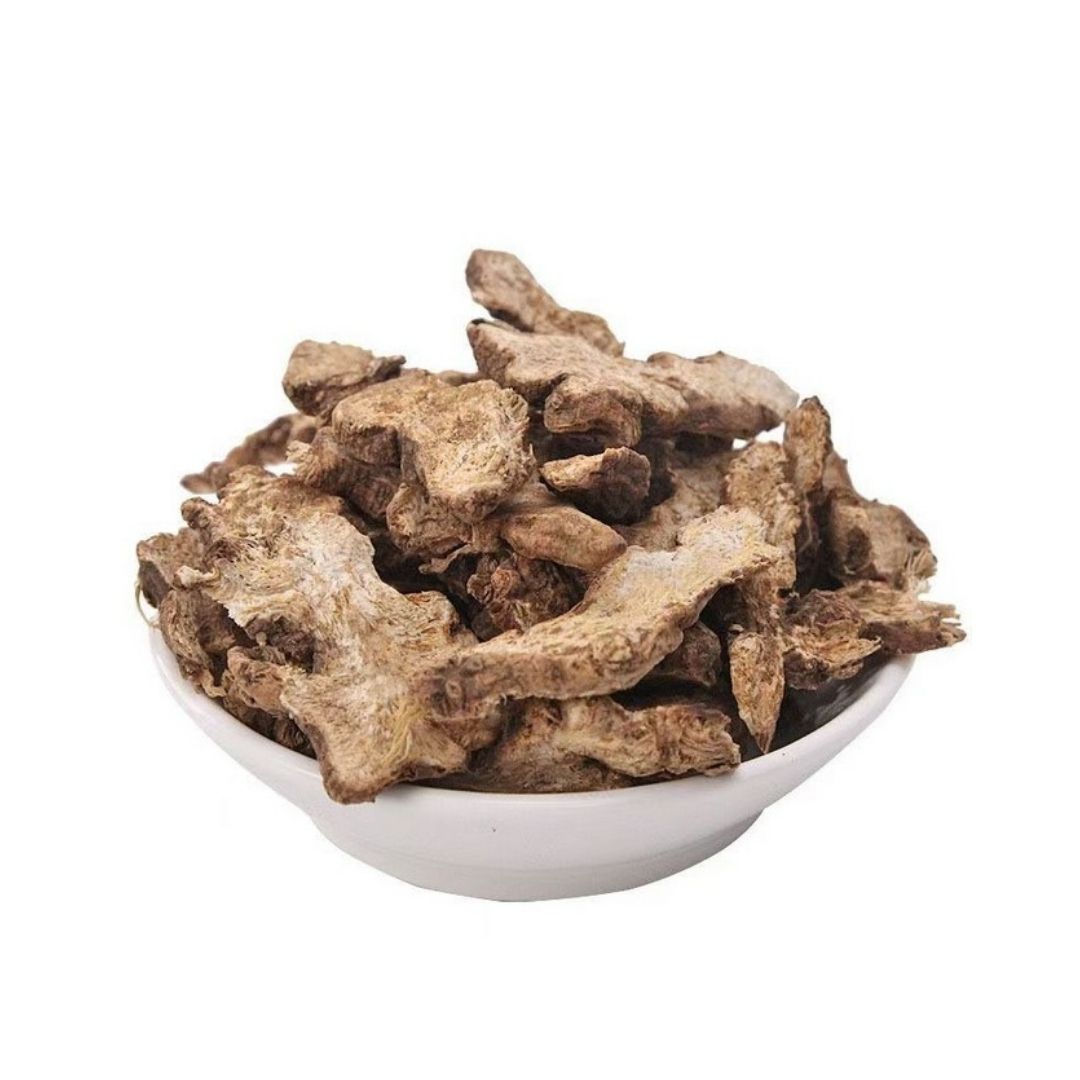
Rhizoma Atractylodis, known in Chinese as Cang Zhu, is a medicinal herb widely utilized in traditional Chinese medicine (TCM). It is valued for its aromatic properties and therapeutic effects, mainly related to the regulation of moisture and the strengthening of the spleen. This herb is typically prepared from the dried rhizomes of Atractylodes lancea.
Main Active Ingredients
The primary active ingredients in Rhizoma Atractylodis are volatile oils, including atractylol, atractylon, and hinesol. Atractylol and atractylon are believed to contribute significantly to its therapeutic effects, particularly regarding its ability to dry dampness and fortify the spleen. These compounds have been studied for their anti-inflammatory and digestive properties.
Product Application Scenarios, Usage, and Dosage
In TCM, Rhizoma Atractylodis is often prescribed for conditions involving dampness accumulation, such as spleen deficiency with dampness, damp-leg qi, and edema. It is also used to alleviate symptoms like poor appetite, fatigue, and abdominal distension. The typical dosage ranges from 3 to 9 grams, usually administered in decoction form. It can be combined with other herbs to enhance its efficacy based on specific symptom patterns.
Introduction to the Source Plant, Distribution, and Growth Environment
Atractylodes lancea is a perennial herb belonging to the Asteraceae family. It is primarily found in the mountainous regions of China, flourishing in areas with moist environments and partial shade. Key producing areas include regions in central and eastern China. The plant grows to about 30-70 cm tall, characterized by lance-shaped leaves and small, tubular flowers.
Harvesting, Processing, and Storage
The rhizomes are typically harvested in autumn or winter. After harvesting, the rhizomes are cleaned, dried, and cut into slices. Proper drying is crucial to preserve the herb's volatile oils and prevent mold growth. The dried Rhizoma Atractylodis should be stored in airtight containers in a cool, dry, and dark place to maintain its potency and prevent deterioration.
Citations
- Chen, J. K., & Chen, T. T. (2004). Chinese Medical Herbology and Pharmacology. Art of Medicine Press.
- Bensky, D., Clavey, S., & Stöger, E. (2004). Chinese Herbal Medicine: Materia Medica, 3rd Edition. Eastland Press.
- Liao, J., et al. "Chemical composition and bioactivities of essential oil from Atractylodes lancea." Journal of Ethnopharmacology, 150(3), 2013, 1212-1218.
Mia Wu

Hi, I’m Mia Wu! I love helping customers discover the best natural ingredients for their products. With a passion for herbs, spices, and fungi, I work to make sure you get only the finest raw materials. Let's grow together! 🌱✨