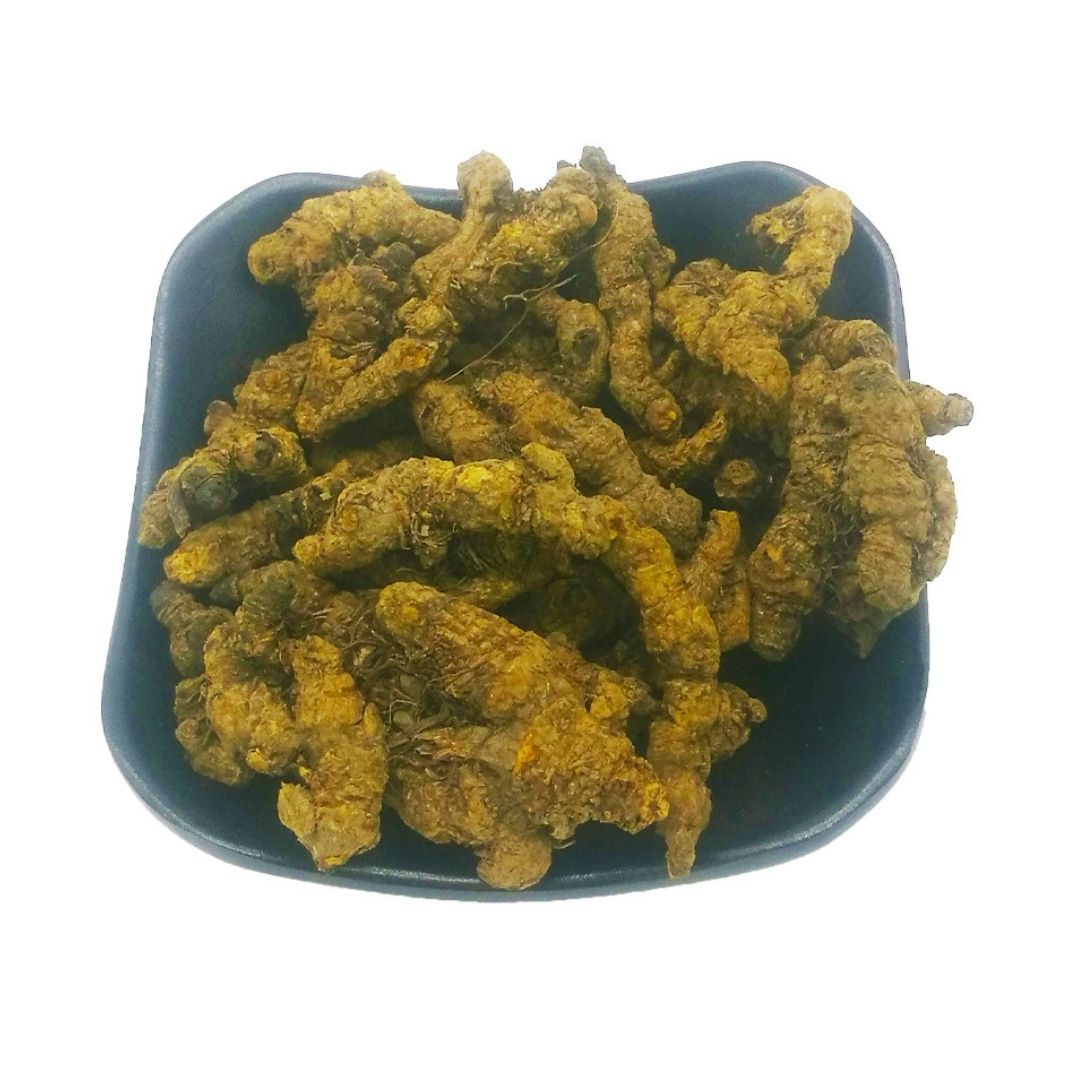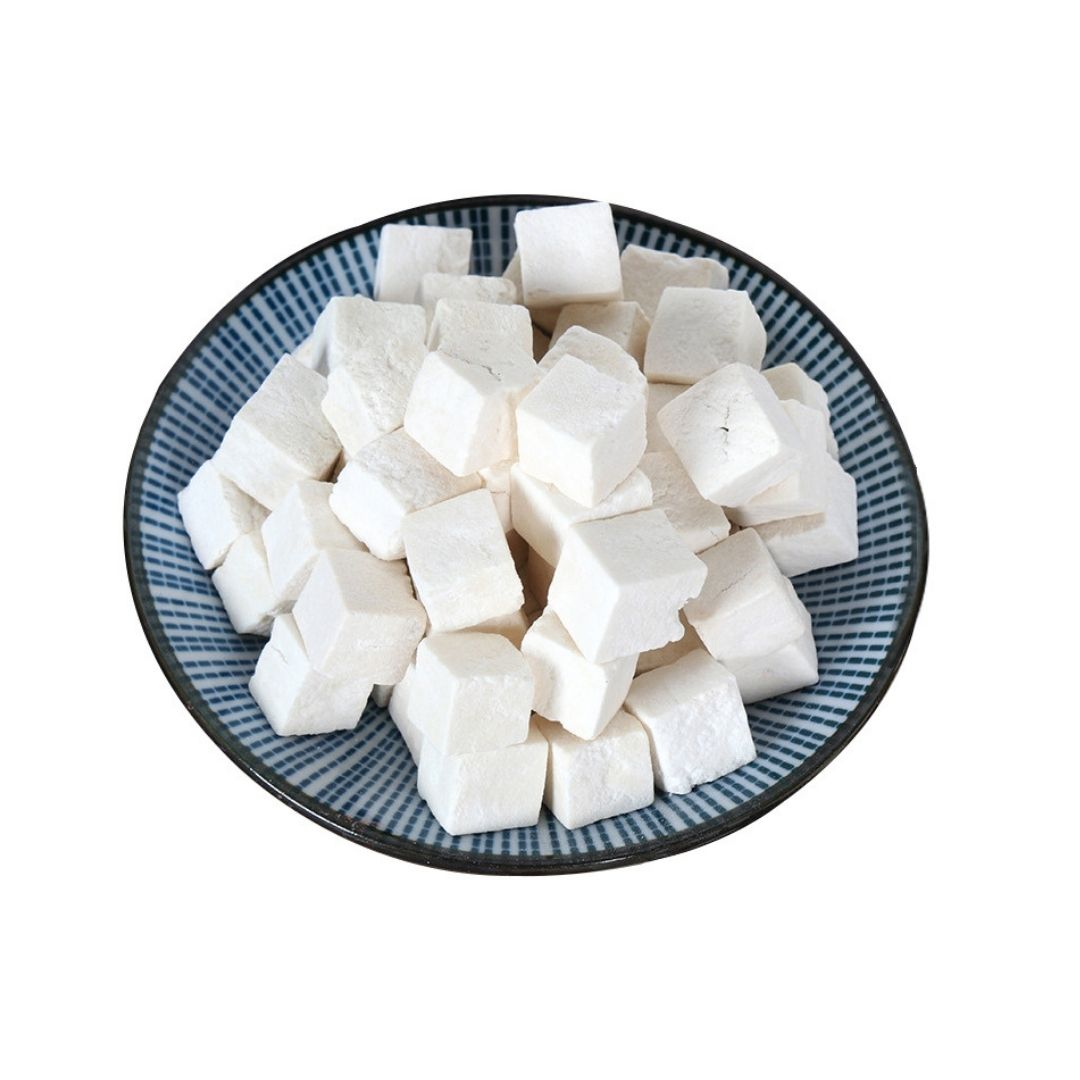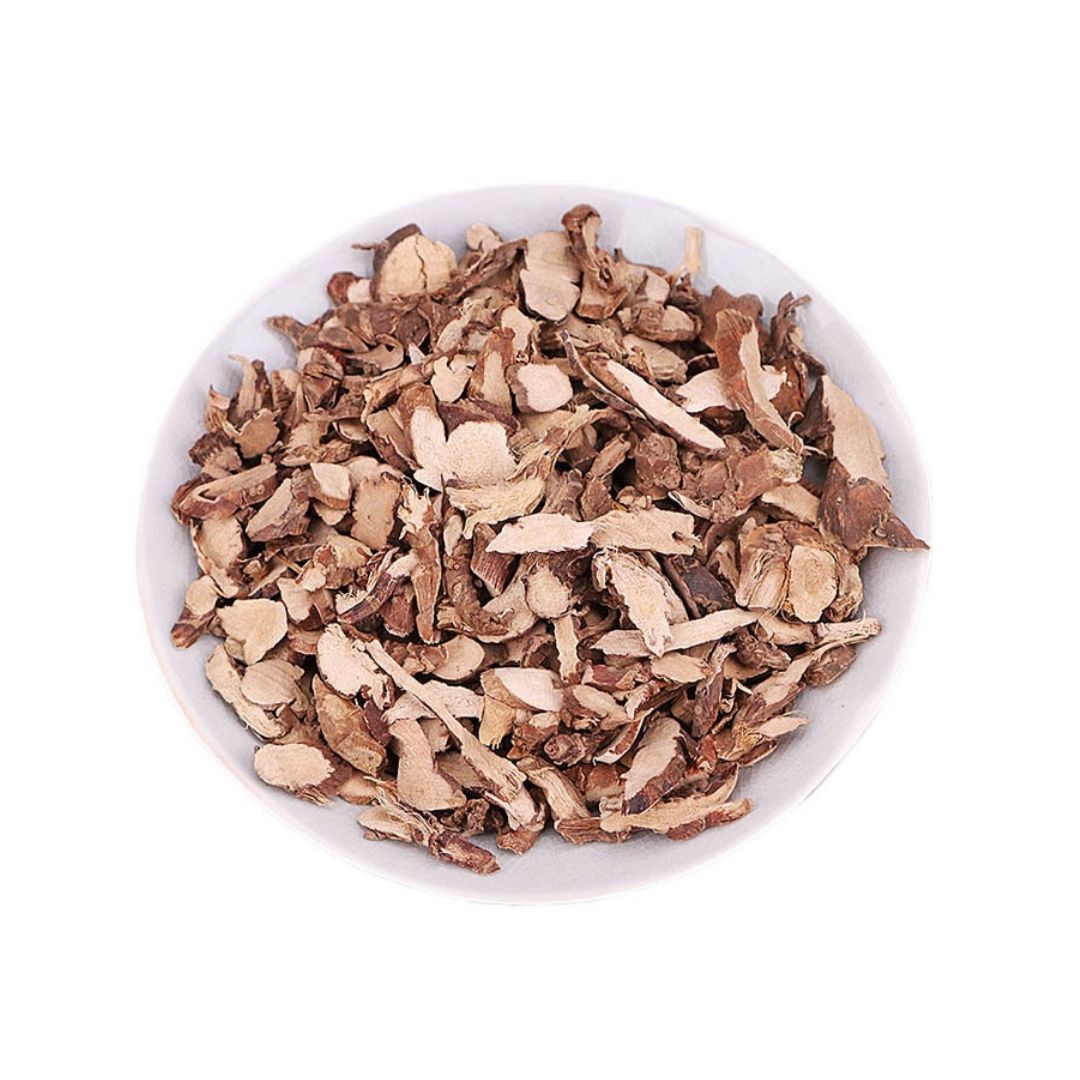


Product Introduction
Rhizoma Anemones Altaicae, a traditional Chinese medicine (TCM), is derived from the dried rhizome of Anemone altaica, Fisch. ex C. A. Mey, a plant belonging to the Ranunculaceae family. The herb is primarily valued for its medicinal properties, particularly in addressing conditions related to pain and channel obstruction. It is considered toxic and must be processed carefully before use to mitigate potential adverse effects. The processing methods often include soaking, boiling, or steaming to reduce toxicity while retaining therapeutic efficacy. Raw Rhizoma Anemones Altaicae is rarely used directly due to its potent toxicity; processed forms are preferred in clinical practice.
Main Active Ingredients
The primary active components of Rhizoma Anemones Altaicae are alkaloids, mainly aconitine-type compounds. These compounds are responsible for both the therapeutic and toxic effects of the herb. Aconitine and related alkaloids have potent analgesic and anti-inflammatory properties but can cause severe cardiotoxicity and neurotoxicity if not used correctly. Processing methods, such as long-term boiling, hydrolyze these highly toxic aconitine derivatives into less toxic, though still bioactive, compounds like benzoylaconine and aconine, reducing the risk of adverse effects while preserving some of the medicinal benefits. These alkaloids interact with sodium channels in nerve and muscle cells, affecting membrane excitability and nerve impulse transmission, which underlies the herb's pain-relieving effects.
Product Application Scenarios, Usage, and Dosage
Rhizoma Anemones Altaicae is traditionally employed in TCM to address various conditions, including joint pain, rheumatic arthritis, and neuralgia. It is often prescribed for individuals experiencing pain exacerbated by cold and dampness. Common applications include:
- Pain Relief: It is used to alleviate pain associated with arthritis, sciatica, and migraines.
- Channel Unblocking: It is prescribed to improve circulation and reduce stagnation in the meridians.
- Warming and Dispersing Cold: It assists in dispelling cold and dampness, beneficial in treating conditions worsened by cold environments.
The usage and dosage of Rhizoma Anemones Altaicae must be strictly controlled due to its toxicity. Typically, it is used in small doses and in combination with other herbs to reduce its toxicity and enhance its therapeutic effects. The herb is often administered in the form of decoctions, pills, or powders. The dosage varies based on the specific condition, the patient’s constitution, and the processing method of the herb. A typical dosage of processed Rhizoma Anemones Altaicae in a decoction ranges from 3 to 6 grams, always under the guidance of a qualified TCM practitioner. Patients should be closely monitored for any signs of toxicity, such as nausea, vomiting, or cardiac irregularities.
Introduction to the Source Plant, Distribution, and Growth Environment
Anemone altaica is a perennial herbaceous plant that belongs to the Ranunculaceae family. It typically grows to a height of 10-30 cm. The plant is characterized by its basal leaves, which are deeply divided and toothed. The flowers are usually white or pale yellow, blooming in the early spring. The rhizome is the part used medicinally; it is typically harvested in the autumn or early spring.
Anemone altaica is native to the mountainous regions of Central Asia, including areas of Russia, Kazakhstan, and China. It thrives in moist, shady environments, often found in forests, grasslands, and along streams. It prefers well-drained soils and is adapted to cold climates.
Harvesting, Processing, and Storage
The harvesting of Rhizoma Anemones Altaicae typically occurs in the autumn or early spring when the plant's rhizomes are most potent. The rhizomes are carefully dug up, cleaned, and then processed to reduce their toxicity. Traditional processing methods include soaking the rhizomes in water, boiling them for extended periods, or steaming them with rice wine or other herbal ingredients. These processes help to hydrolyze the toxic aconitine alkaloids into less toxic derivatives.
After processing, the rhizomes are dried, either in the sun or using a low-heat drying oven. The dried rhizomes should be stored in a dry, well-ventilated place, away from direct sunlight. It is essential to keep them in tightly sealed containers to prevent moisture absorption and maintain their medicinal properties. Proper storage ensures that the herb retains its efficacy and minimizes the risk of degradation or contamination.
Citations
- Huang, K. C. (1999). The Pharmacology of Chinese Herbs. CRC press.
- Bensky, D., & Gamble, A. (1993). Chinese Herbal Medicine: Materia Medica. Eastland Press.
- Chen, J. K., & Chen, T. T. (2004). Chinese Medical Herbology and Pharmacology. Art of Medicine Press.
- மாநில மருந்தியல் குழு, இந்தியாவின் ஆயுஷ் அமைச்சகம். (2018). இந்திய மருத்துவத்தின் அதிகாரப்பூர்வ ஆவணங்களின் தரவுத்தளம். புது தில்லி: ஆயுஷ் அமைச்சகம்.
Mia Wu

Hi, I’m Mia Wu! I love helping customers discover the best natural ingredients for their products. With a passion for herbs, spices, and fungi, I work to make sure you get only the finest raw materials. Let's grow together! 🌱✨