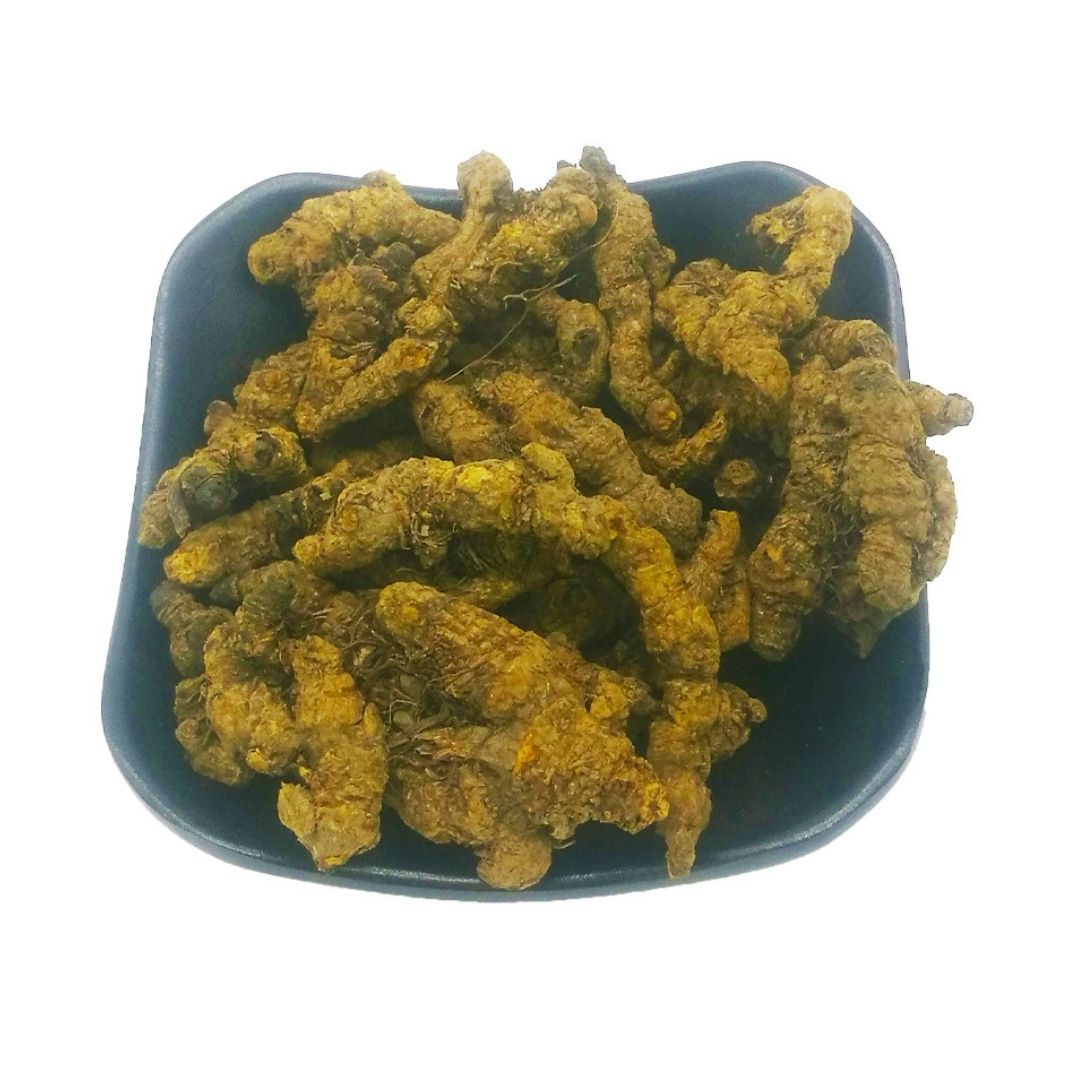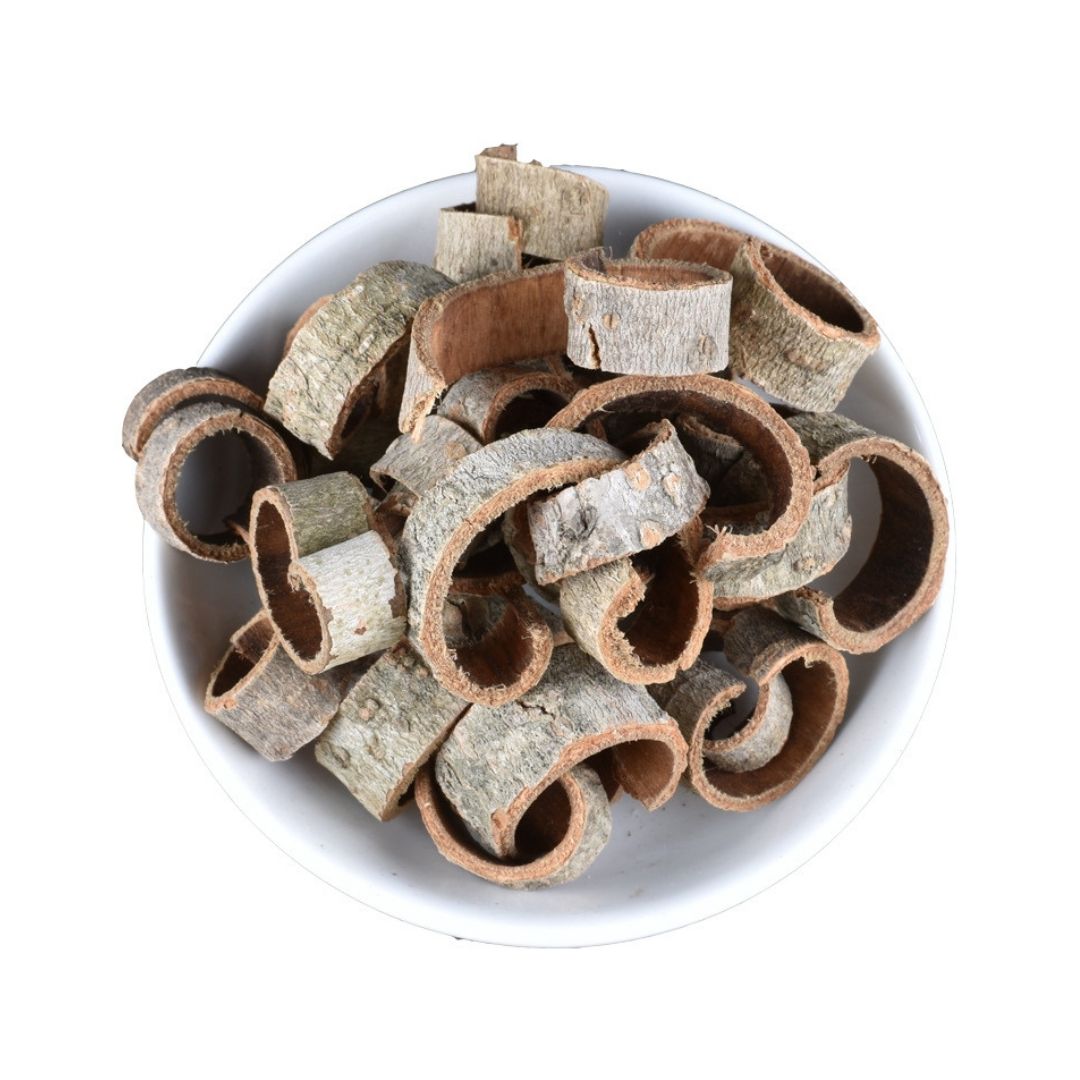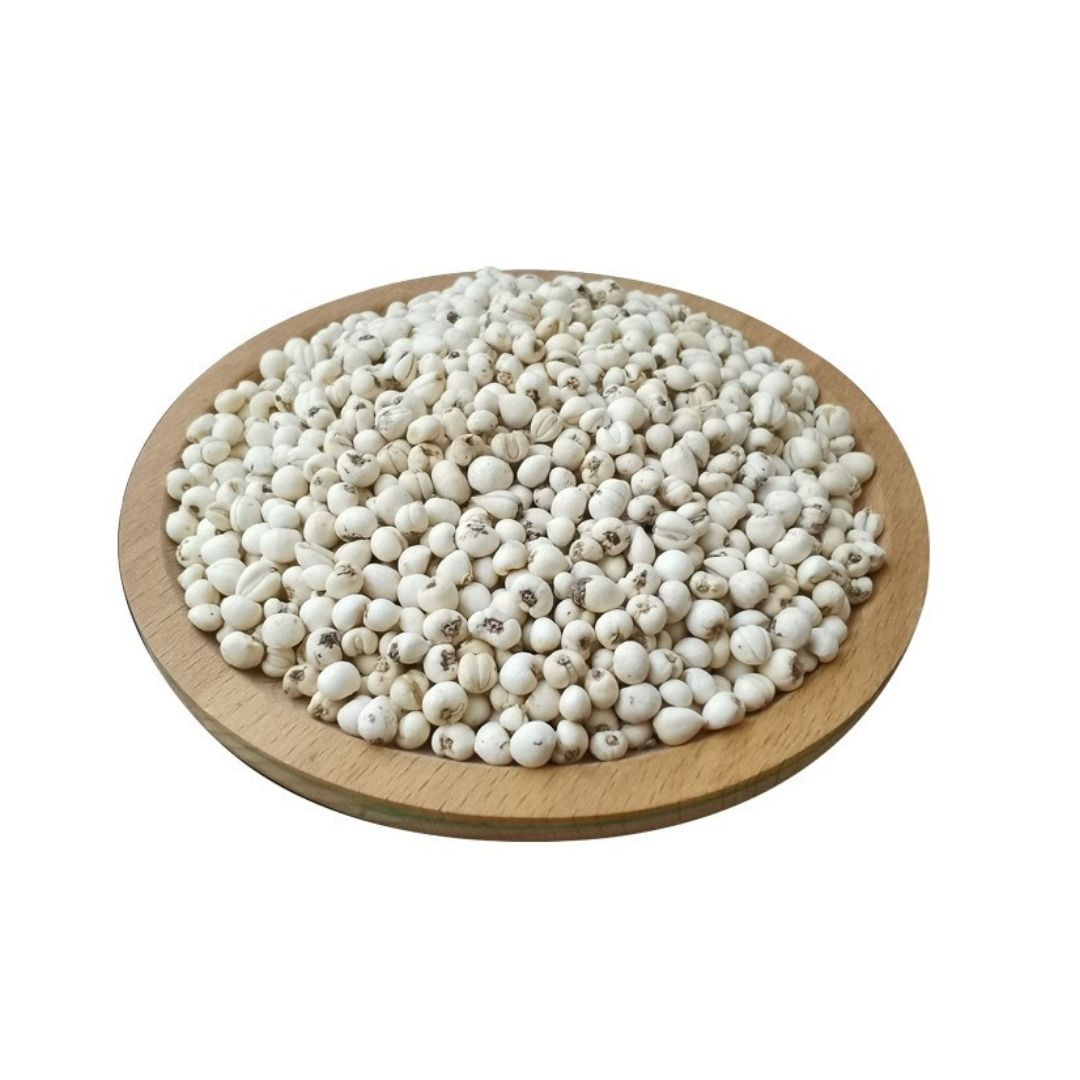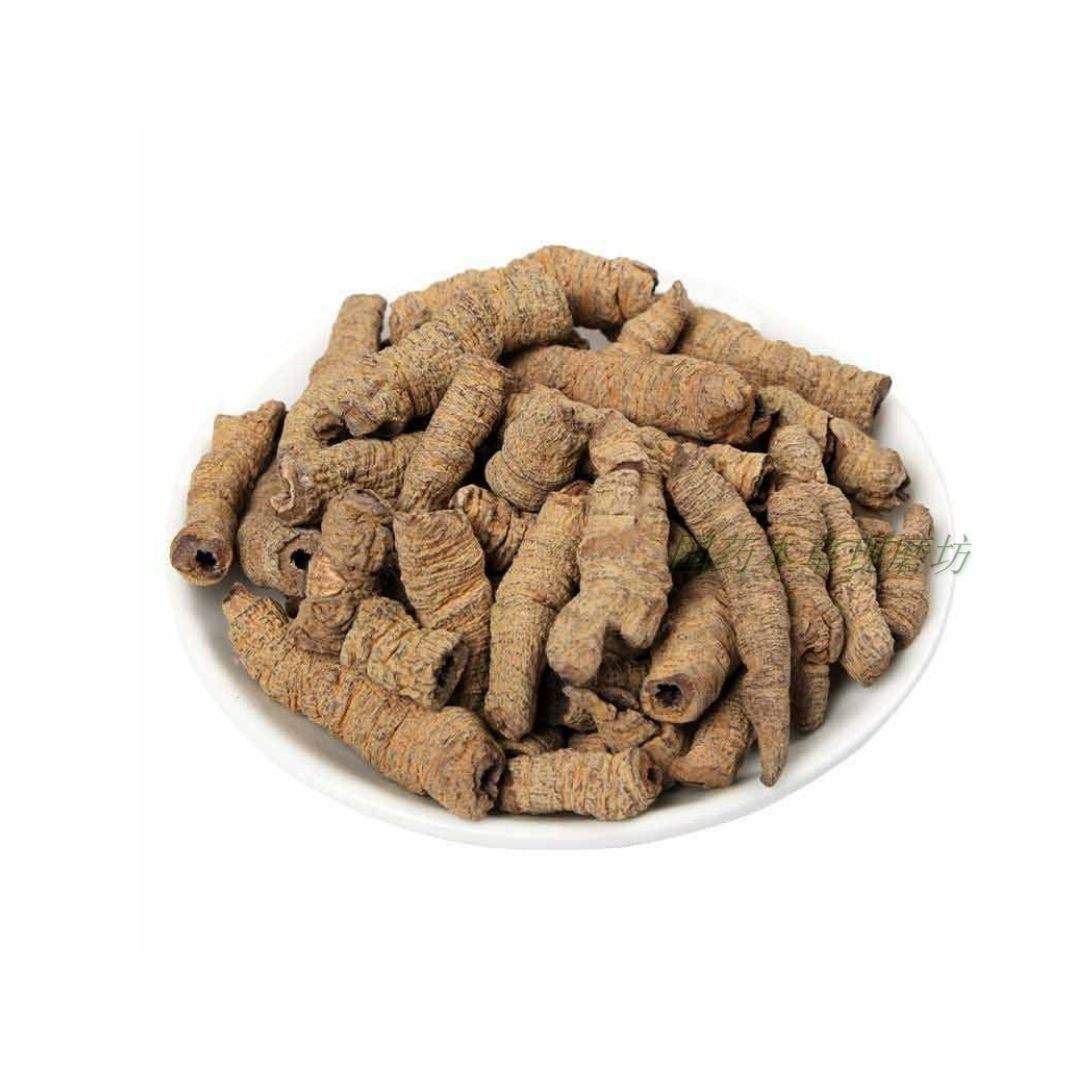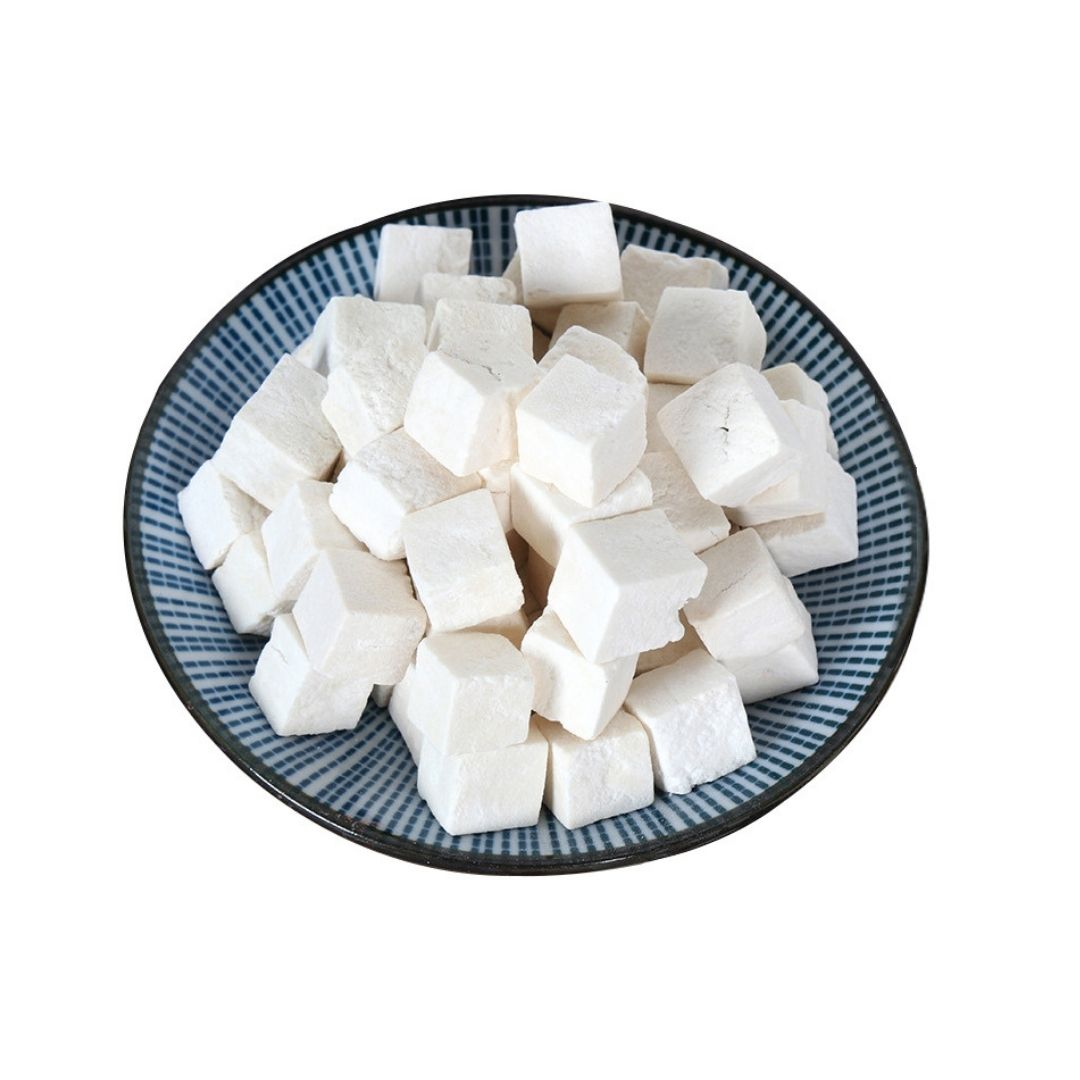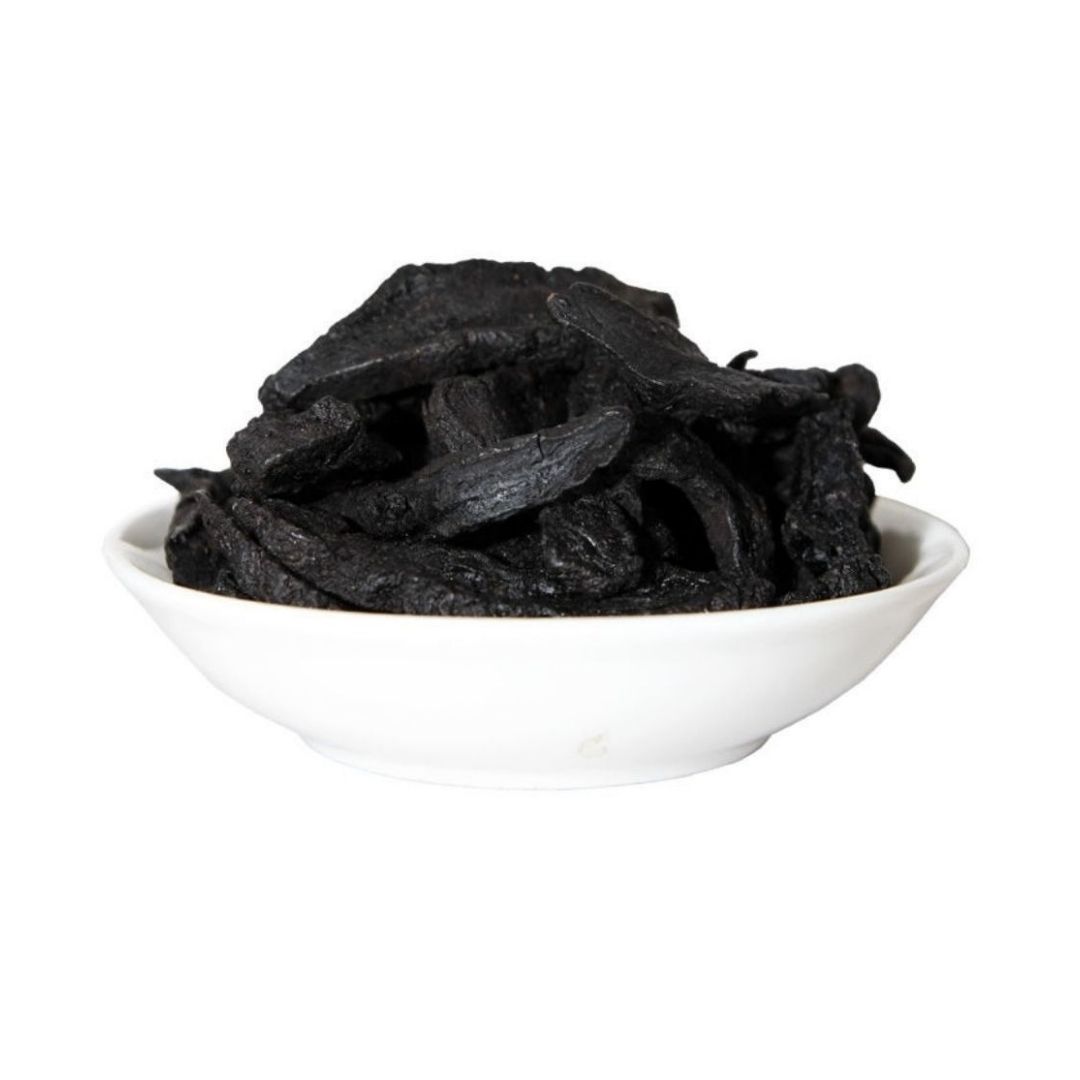


Product Introduction
Rehmannia glutinosa, a cornerstone of traditional Chinese medicine, is derived from the root of the Rehmannia glutinosa plant. This herb has been utilized for centuries due to its therapeutic properties, particularly in addressing conditions related to yin and blood deficiencies. The preparation method significantly alters the herb's properties and therapeutic applications, distinguishing between raw and processed forms.
Main Active Ingredients
The efficacy of Rehmannia glutinosa is attributed to its complex chemical composition. Iridoid glycosides, such as catalpol and rehmanniosides A, B, C, and D, are among the primary active constituents. These compounds have been shown to possess antioxidant, anti-inflammatory, and hematopoietic properties. The processing of the root, often involving steaming and curing, enhances the concentration of certain glycosides and alters the overall chemical profile, influencing its therapeutic effects [1].
Product Application Scenarios, Usage, and Dosage
Rehmannia glutinosa is frequently prescribed in traditional Chinese medicine (TCM) for a variety of conditions. It is commonly used to nourish yin, replenish blood, and benefit the kidneys and liver. Clinical applications include treating anemia, dizziness, lower back pain, and fatigue associated with chronic diseases. It is also employed to address symptoms of menopause and age-related conditions attributed to yin deficiency [2].
The usage and dosage of Rehmannia glutinosa vary depending on the specific condition and the form of the herb. Typically, the prepared root is used in decoctions or herbal formulas, with dosages ranging from 9 to 30 grams per day. It is often combined with other herbs to enhance its effects and address specific imbalances. Consultation with a qualified TCM practitioner is essential to determine the appropriate dosage and application [3].
Introduction to the Source Plant, Distribution, and Growth Environment
Rehmannia glutinosa is a perennial herb belonging to the family Orobanchaceae. The plant is native to China, where it has been cultivated for medicinal purposes for over two thousand years. It thrives in well-drained soils and prefers sunny or partially shaded environments. The plant's geographical distribution is primarily in the provinces of Henan, Zhejiang, and Sichuan, which are known for their suitable climate and soil conditions [4].
Harvesting, Processing, and Storage
The roots of Rehmannia glutinosa are typically harvested in the autumn. The harvested roots are then processed to produce different forms of the herb. The raw root, known as Sheng Di Huang, is often used for clearing heat and cooling the blood. The processed root, known as Shu Di Huang, is prepared through steaming and curing, often with the addition of rice wine or other ingredients. This process enriches the blood-nourishing and yin-tonifying properties of the herb [5].
Proper storage is crucial for maintaining the quality and efficacy of Rehmannia glutinosa. The herb should be stored in a cool, dry place, away from direct sunlight and moisture. It is often recommended to store the processed root in airtight containers to prevent it from becoming sticky or moldy. Properly stored, Rehmannia glutinosa can retain its therapeutic properties for several years [6].
Citations:
[1] Li, X., et al. "Chemical constituents of Rehmannia glutinosa and their pharmacological activities." Journal of Ethnopharmacology, vol. 148, no. 1, 2013, pp. 41-55.
[2] Zhao, Z., et al. "Rehmannia glutinosa: Traditional uses, phytochemistry, and pharmacology." Pharmaceutical Biology, vol. 57, no. 1, 2019, pp. 1-16.
[3] Bensky, D., et al. Chinese Herbal Medicine: Materia Medica. 3rd ed., Eastland Press, 2004.
[4] Chinese Pharmacopoeia Commission. Pharmacopoeia of the People's Republic of China. China Medical Science Press, 2020.
[5] Ye, X., et al. "The effect of processing on the chemical composition and biological activity of Rehmannia glutinosa." Journal of Pharmaceutical and Biomedical Analysis, vol. 160, 2018, pp. 263-271.
[6] Chen, J. K., and T. T. Chen. Chinese Medical Herbology and Pharmacology. Art of Medicine Press, 2004.
Mia Wu

Hi, I’m Mia Wu! I love helping customers discover the best natural ingredients for their products. With a passion for herbs, spices, and fungi, I work to make sure you get only the finest raw materials. Let's grow together! 🌱✨