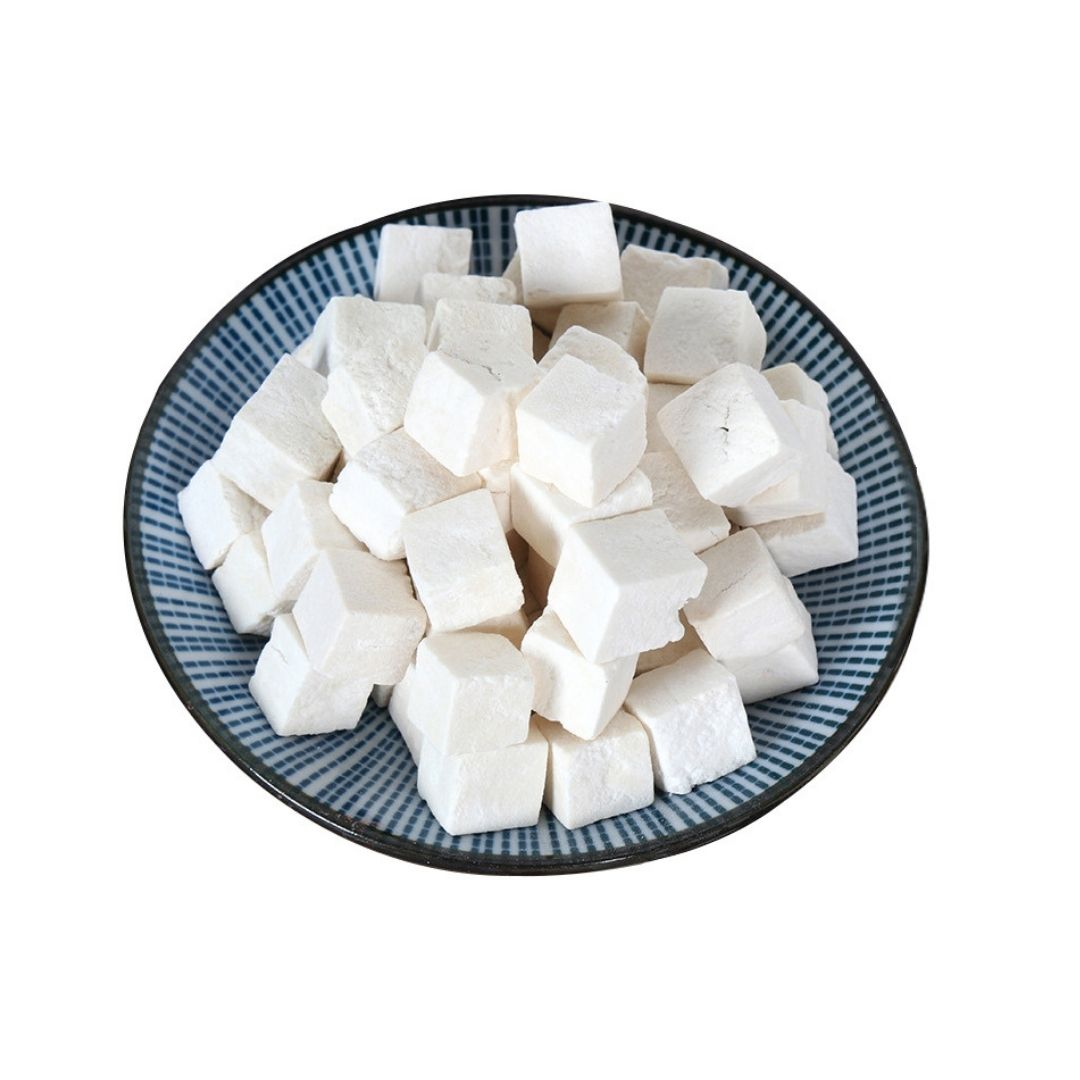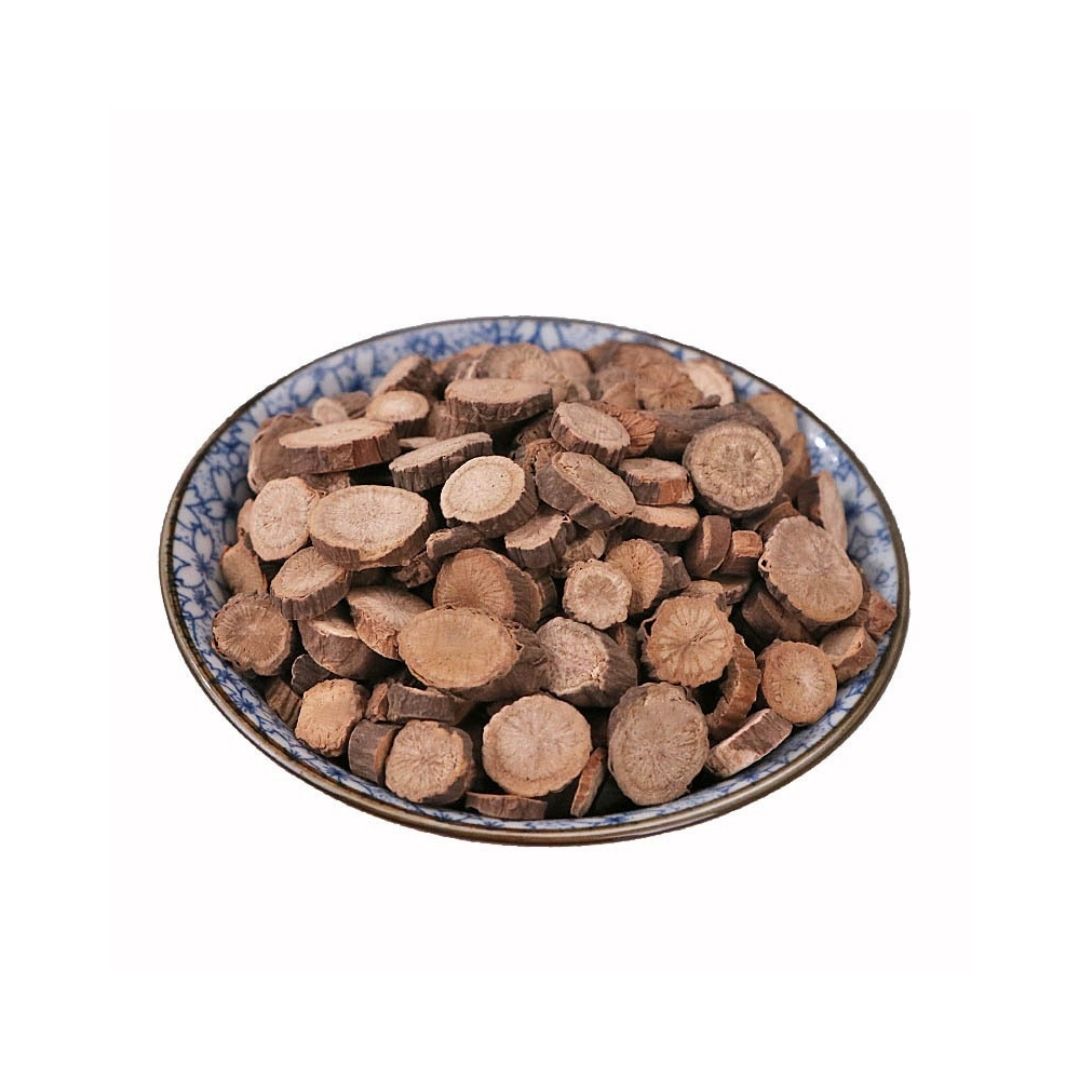


Product Introduction
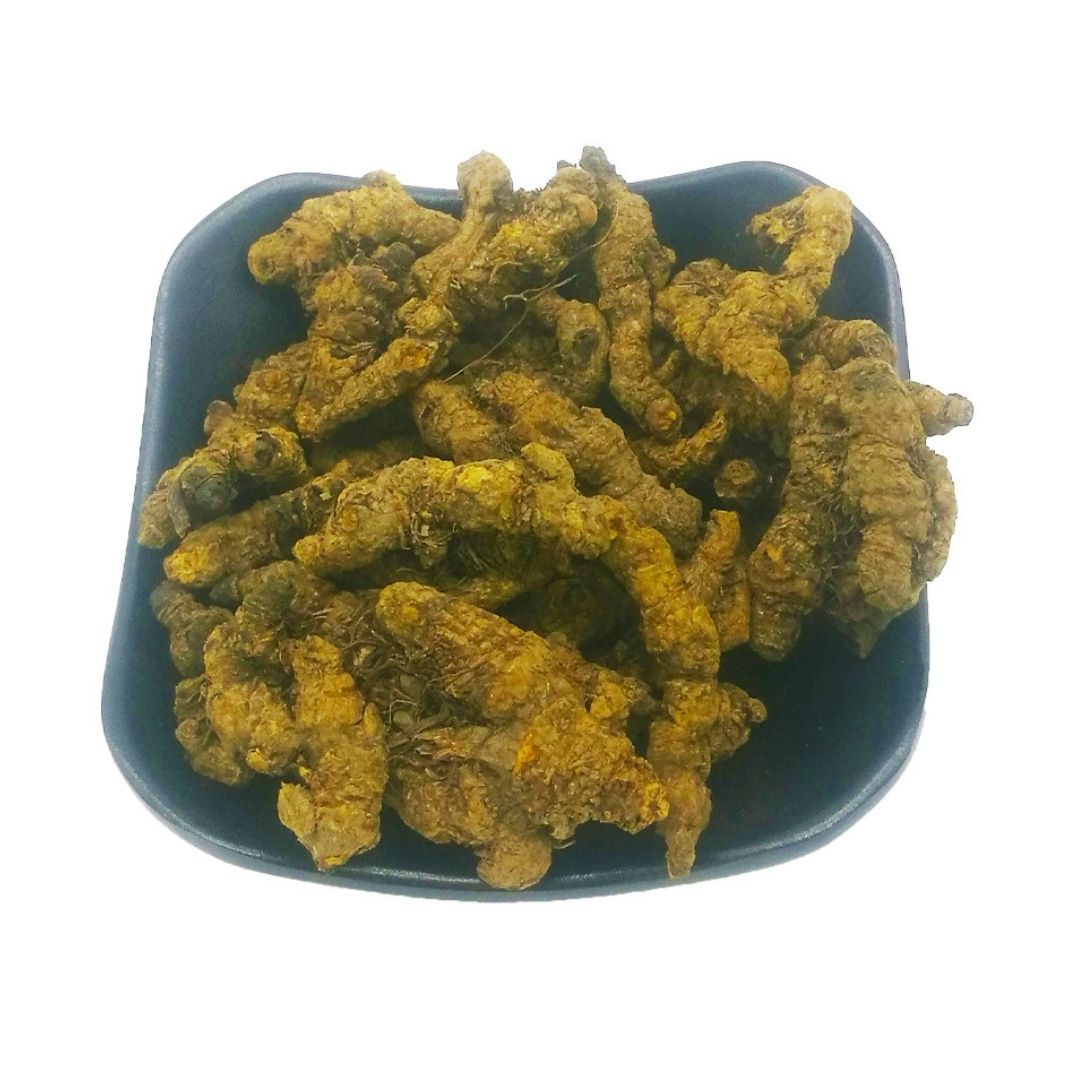
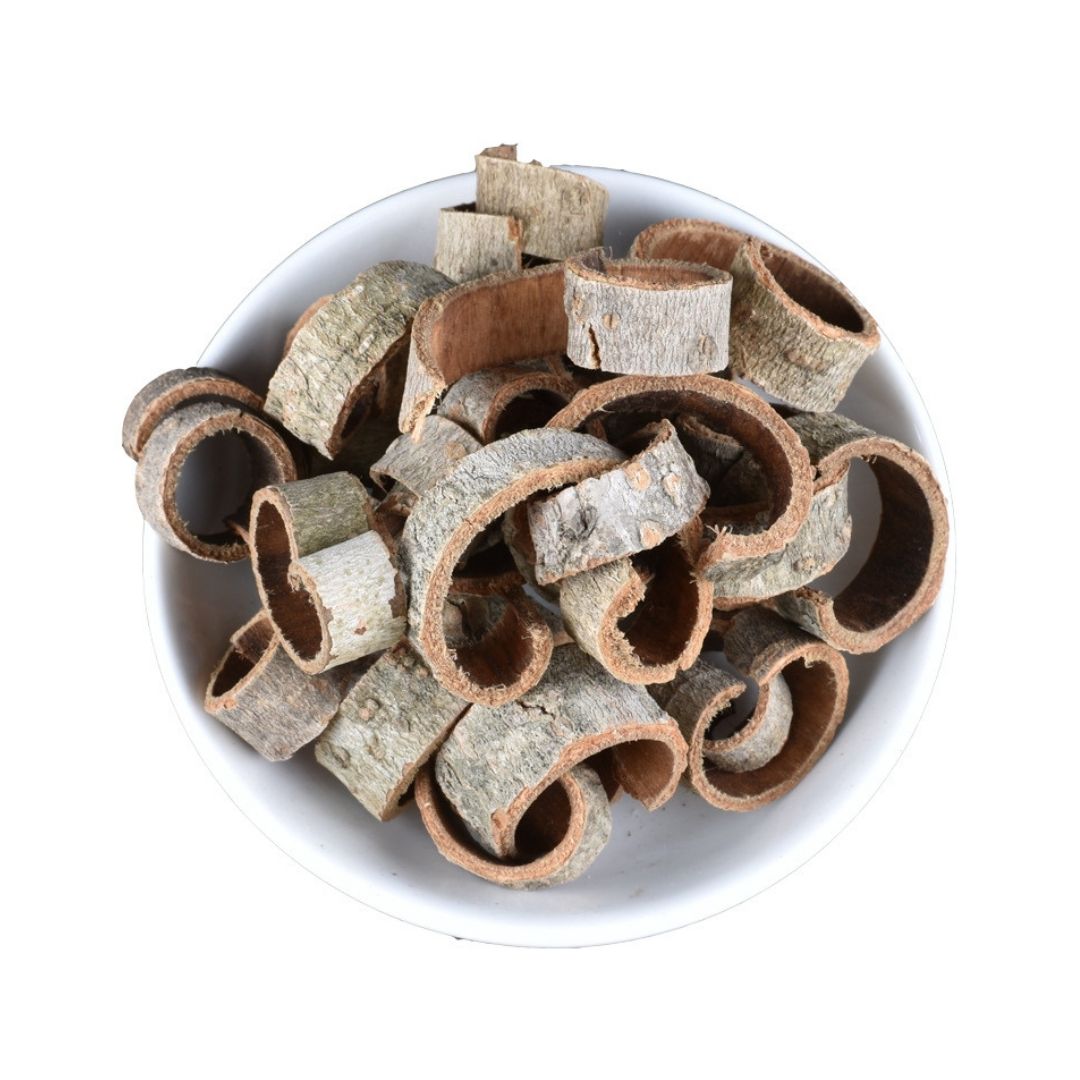
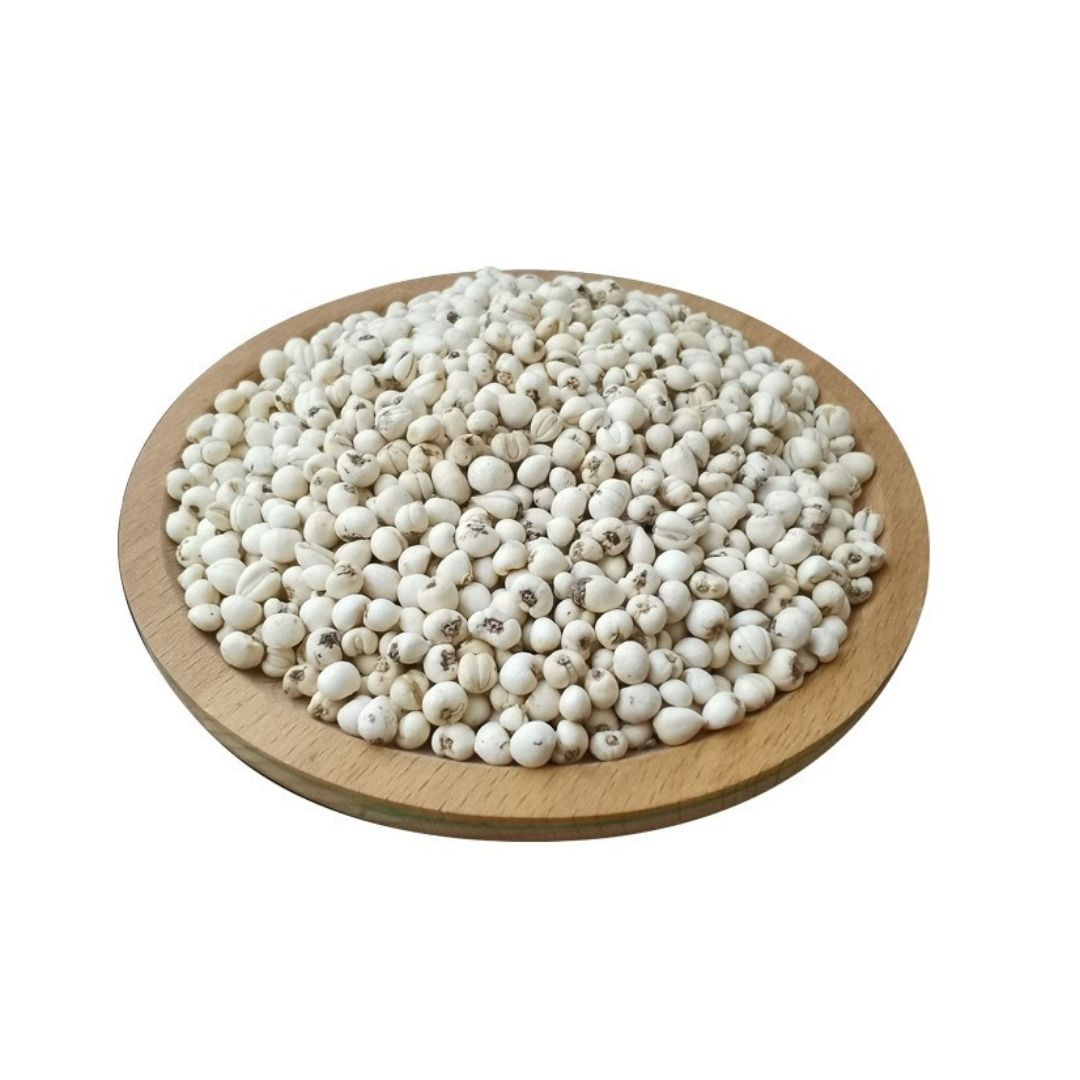
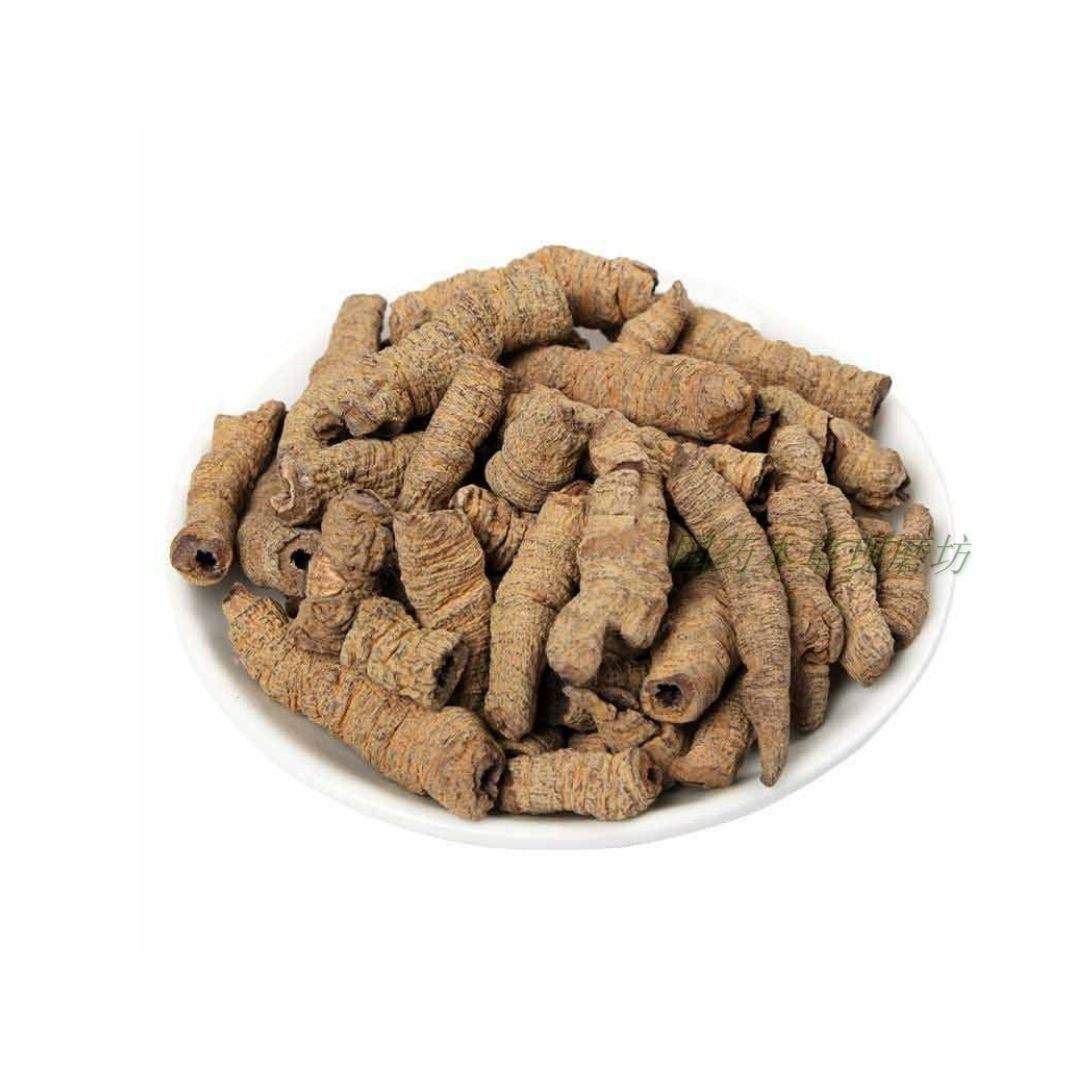
Red peony, known in Chinese as Chi Shao, originates from the dried root of Paeonia veitchii Lynch or Paeonia obovata Maxim., plants in the Paeoniaceae family, and is valued in traditional Chinese medicine for its therapeutic properties. The herb is prepared by harvesting the roots, cleaning them, drying them in the sun, and cutting them into slices. This herb is different from white peony root, which comes from Paeonia lactiflora Pall, and has different medicinal properties.
Main Active Ingredients
The main active components found in red peony are paeoniflorin and paeonol, along with other phenolic compounds, which contribute to its medicinal effects. Paeoniflorin is known for its anti-inflammatory and analgesic properties, while paeonol exhibits antioxidant effects. These compounds work synergistically to provide the therapeutic benefits associated with red peony.
Product Application Scenarios, Usage, and Dosage
In traditional Chinese medicine, red peony is commonly used to address conditions related to blood stasis and heat. It's often prescribed for symptoms such as dysmenorrhea, traumatic injuries, and skin conditions like boils and carbuncles, due to its ability to clear heat, cool the blood, and promote blood circulation. Typically, the herb is used in decoctions with a dosage ranging from 6 to 15 grams per day, decocted in water. It can also be found in various herbal formulas designed to treat specific ailments. However, it should be used under the guidance of a qualified TCM practitioner.
Introduction to the Source Plant, Distribution, and Growth Environment
Paeonia veitchii and Paeonia obovata are perennial herbaceous plants primarily found in China. Paeonia veitchii is mainly distributed in areas such as Sichuan, Hubei, and Shaanxi, while Paeonia obovata is found in regions including Northeast China and North China. These plants thrive in cool, moist environments, typically in forests and on shaded slopes. They prefer well-drained soil rich in organic matter.
Harvesting, Processing, and Storage
The roots of red peony are typically harvested in the spring or autumn. After harvesting, the roots are cleaned to remove any dirt and then dried, usually under the sun, until they are sufficiently dry. The dried roots are then cut into slices for medicinal use. Proper storage is crucial to maintain the herb’s potency and prevent deterioration; the herb should be stored in a cool, dry place, away from direct sunlight and moisture, to preserve its quality over time.
Citations
- Chinese Pharmacopoeia Commission. (2020). Pharmacopoeia of the People's Republic of China. China Medical Science and Technology Press.
- Liao, Y., et al. (2020). Paeoniflorin: A comprehensive review of its pharmacology, pharmacokinetics and therapeutic potential. Journal of Ethnopharmacology, 258, 112891.
- State Administration of Traditional Chinese Medicine. (1999). Zhonghua Bencao (中华本草). Shanghai Science and Technology Press.
Mia Wu

Hi, I’m Mia Wu! I love helping customers discover the best natural ingredients for their products. With a passion for herbs, spices, and fungi, I work to make sure you get only the finest raw materials. Let's grow together! 🌱✨