

Product Introduction
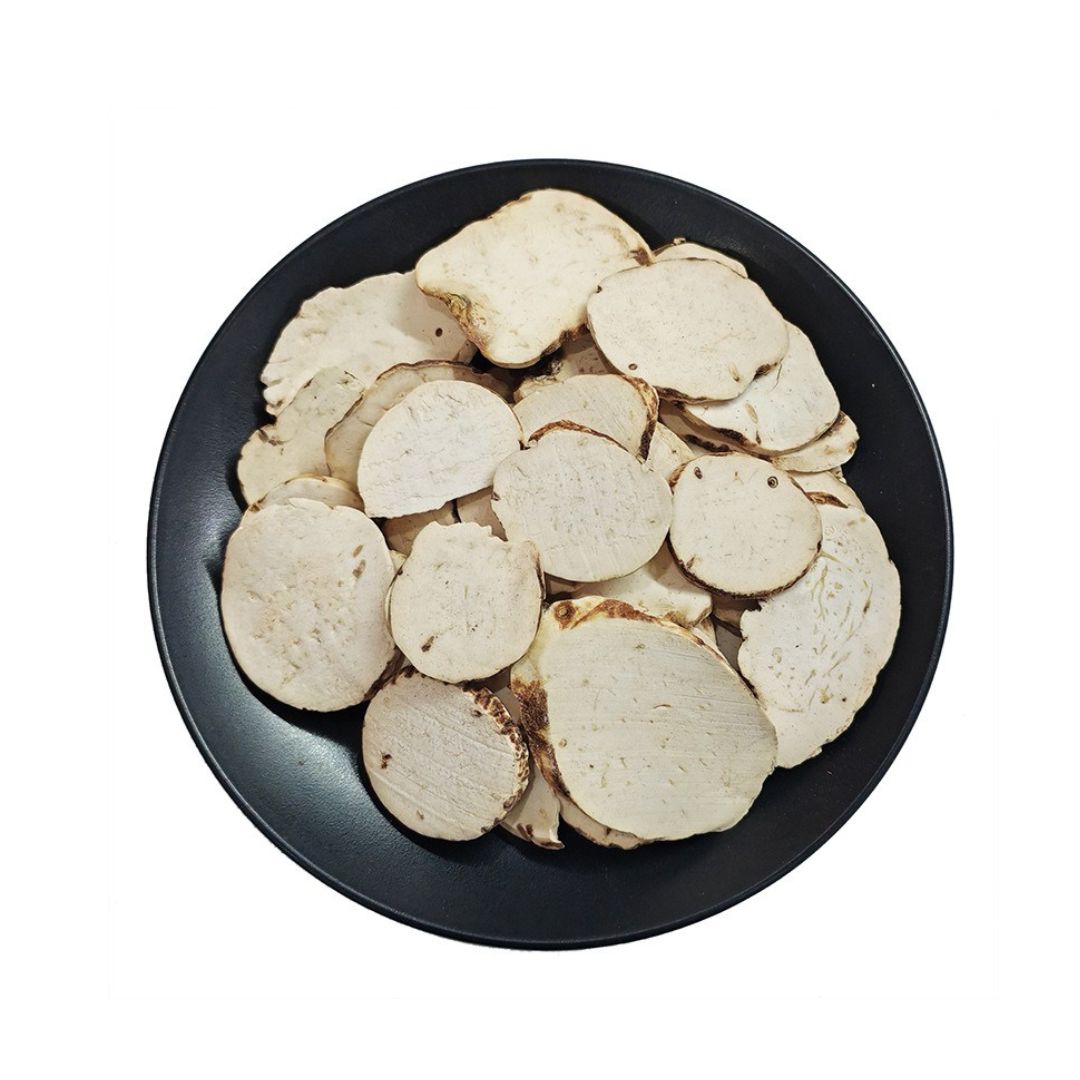
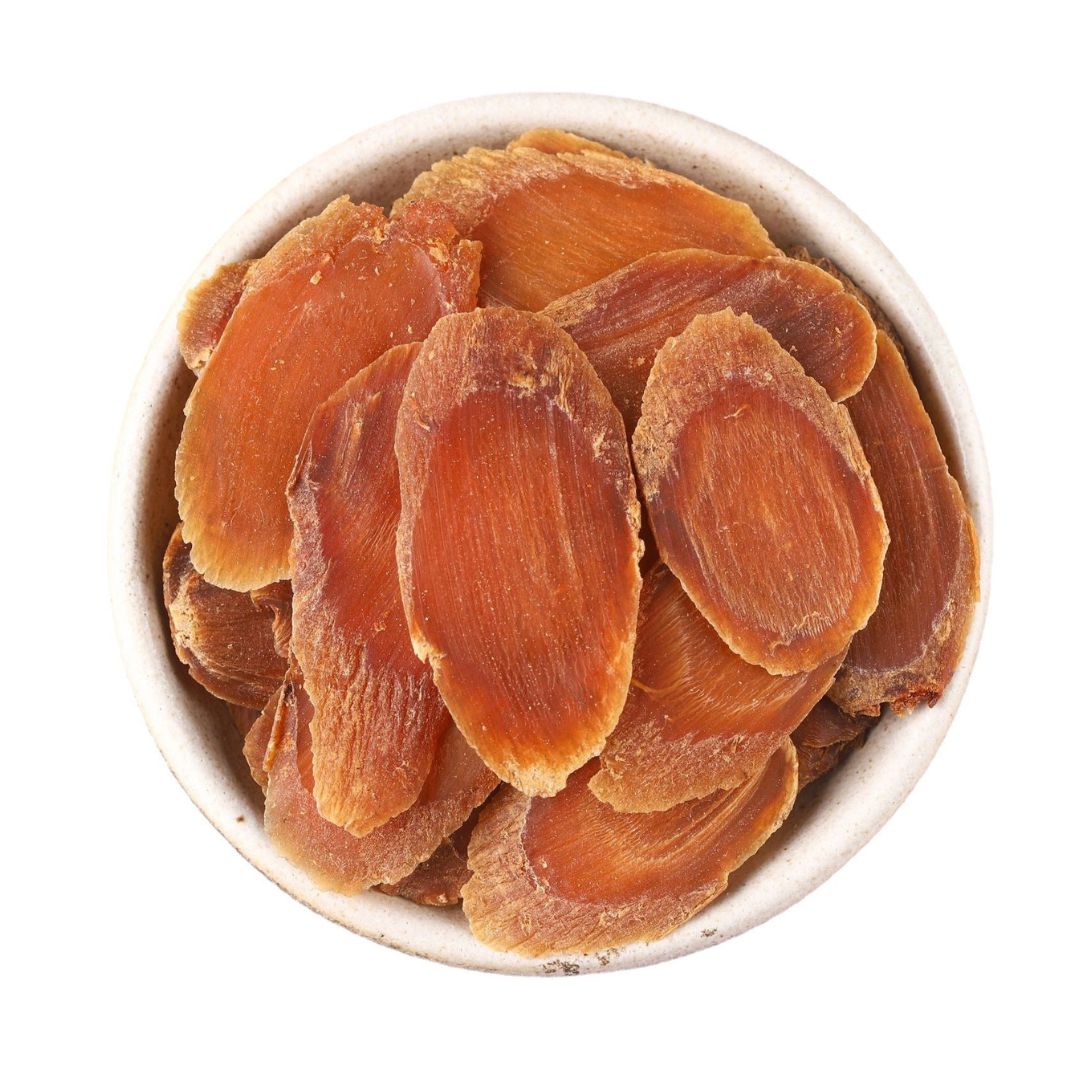
Red ginseng, derived from Panax ginseng, is created through steaming and drying fresh ginseng. This process gives it a distinctive reddish hue, increasing the concentration of certain active compounds. It has a history of use in traditional practices, particularly as a tonic and adaptogen. The processing methods enhance its storage life and modify some of its pharmacological effects.
Main Active Ingredients
Ginsenosides are considered the primary active components of red ginseng, and these saponins are responsible for many of its purported health benefits. Polysaccharides, another set of key constituents, contribute to its immune-modulating effects. Amino acids and trace elements offer nutritional support that complements the actions of ginsenosides and polysaccharides.
Product Application Scenarios, Usage, and Dosage
Red ginseng is commonly used by individuals seeking to boost energy levels, enhance cognitive function, and support their immune system. It is often included in formulations aimed at addressing fatigue, stress, and age-related decline.
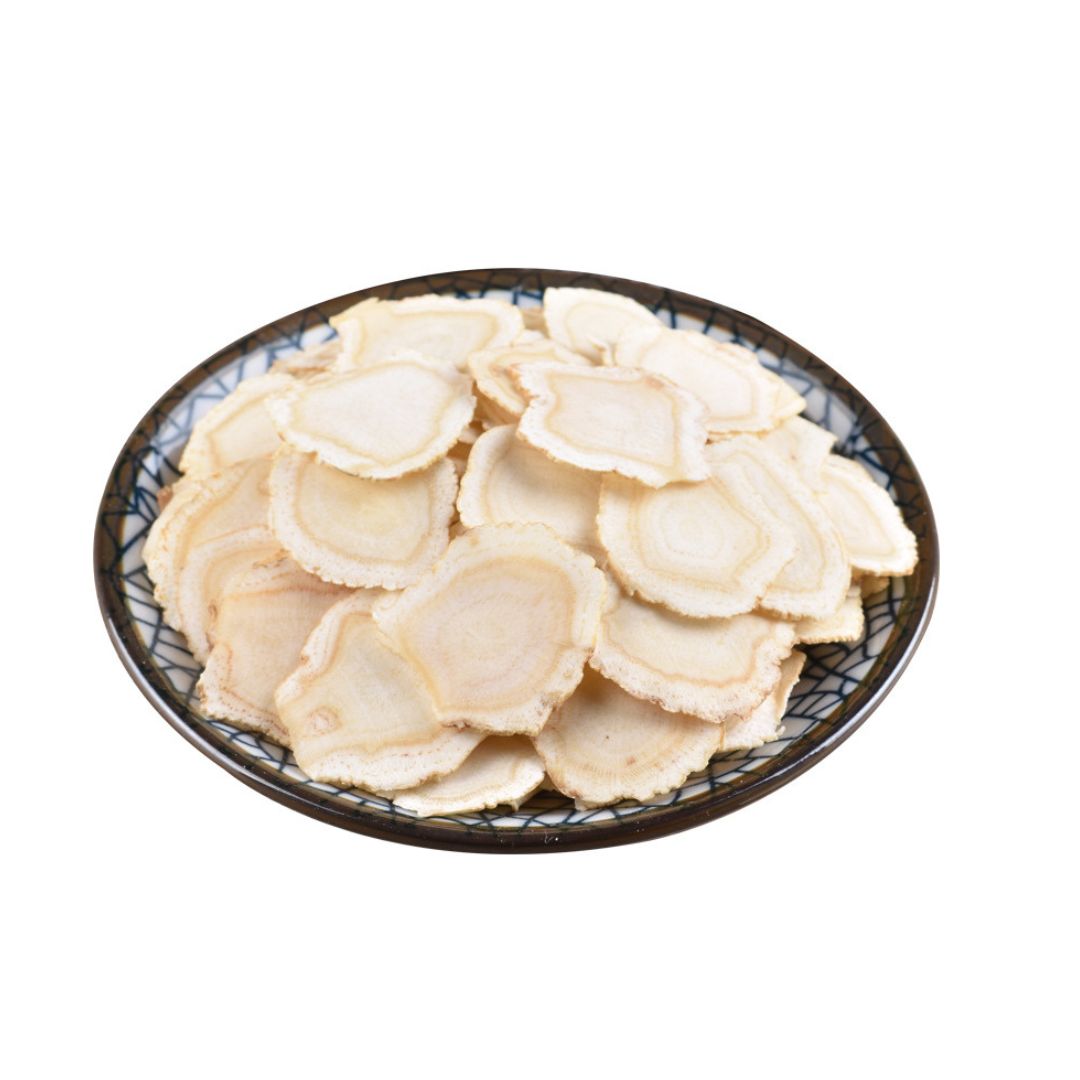
Typical usage involves consuming red ginseng in various forms, like extracts, powders, or whole root slices. Dosage varies depending on the product and the individual's health status. Commonly, dosages range from 1 to 3 grams per day. Consulting with a healthcare professional is advised, prior to beginning supplementation, to determine the appropriate dosage.
Introduction to the Source Plant, Distribution, and Growth Environment
Panax ginseng is native to the mountainous regions of East Asia, including China, Korea, and Russia. It prefers cool, shaded environments with well-drained soil. The plant requires several years of growth before its roots are harvested for medicinal use; often, plants are grown for at least six years to reach maturity. Wild ginseng is rare, so the majority of commercially available ginseng is cultivated.
Harvesting, Processing, and Storage
The harvesting of ginseng roots typically occurs in the fall, once the plant has reached maturity. After harvesting, the roots used for red ginseng undergo a steaming process followed by drying. This steaming and drying cycle can be repeated to further enhance the properties and color. The drying process reduces the moisture content, preventing microbial growth and preserving the quality of the ginseng.
Proper storage involves keeping the dried red ginseng in airtight containers, away from direct sunlight and moisture. These conditions help maintain the potency and prevent degradation of the active compounds over an extended period.
Citations
- Choi, Y. J., Kim, H. W., Park, J. K., & Oh, K. W. (2018). Effects of Korean red ginseng on psychological functions in patients with metabolic syndrome. Journal of Ginseng Research, 42(4), 529–535.
- Lee, S., & Rhee, D. K. (2017). Effects of ginseng on stress-related depression, anxiety, and the hypothalamic–pituitary–adrenal axis. Journal of Ginseng Research, 41(4), 589–594.
- Park, H. M., Kim, H. N., Kim, D. H., & Kim, C. H. (2016). The effects of Korean red ginseng on serum lipid profiles and glucose control in type 2 diabetes mellitus: a systematic review and meta-analysis. Journal of Ethnopharmacology, 192, 316–324.
- Shibata, S. (2001). Chemistry and pharmacology of saponins. Yakugaku Zasshi, 121(11), 987–1004.
Mia Wu

Hi, I’m Mia Wu! I love helping customers discover the best natural ingredients for their products. With a passion for herbs, spices, and fungi, I work to make sure you get only the finest raw materials. Let's grow together! 🌱✨