

Product Introduction
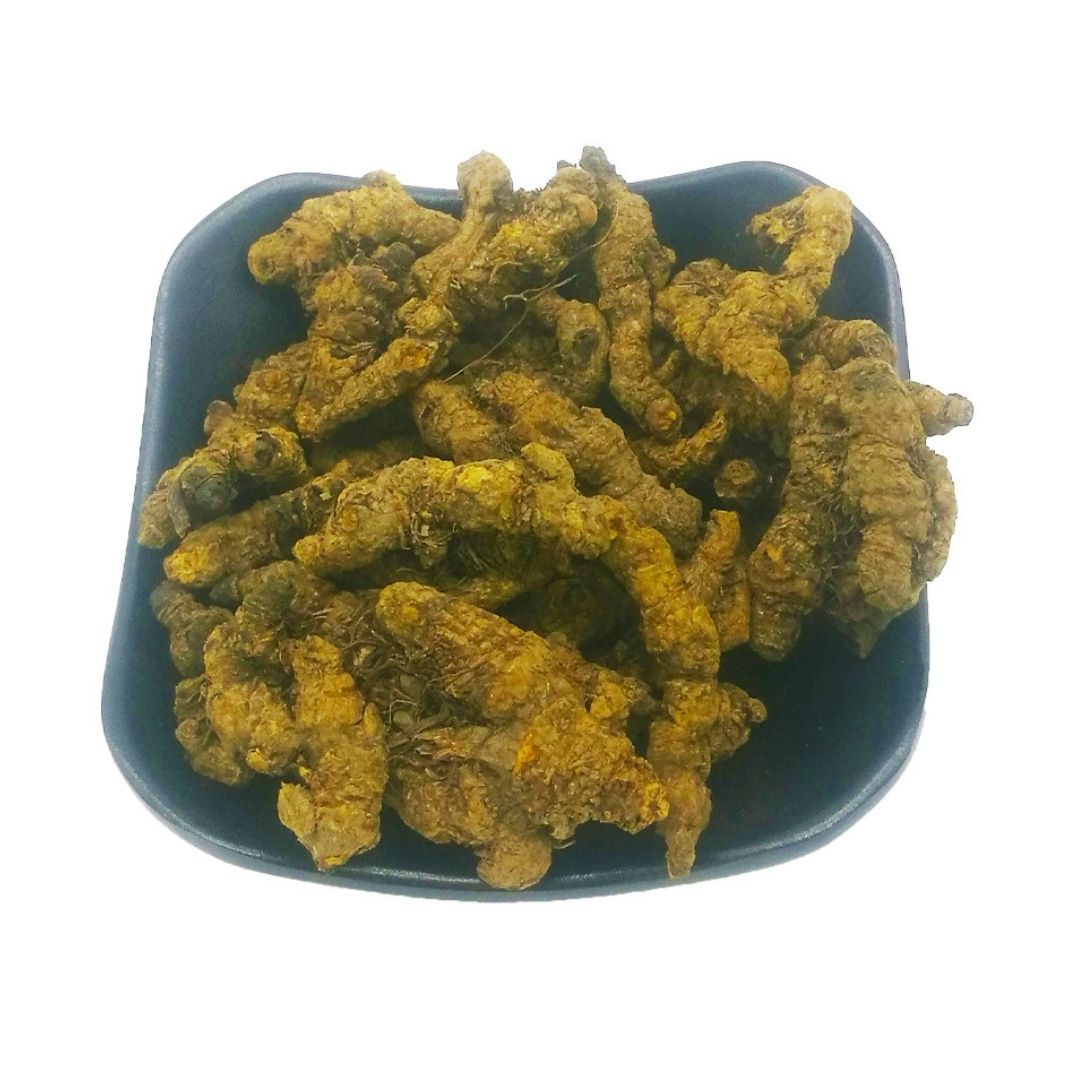
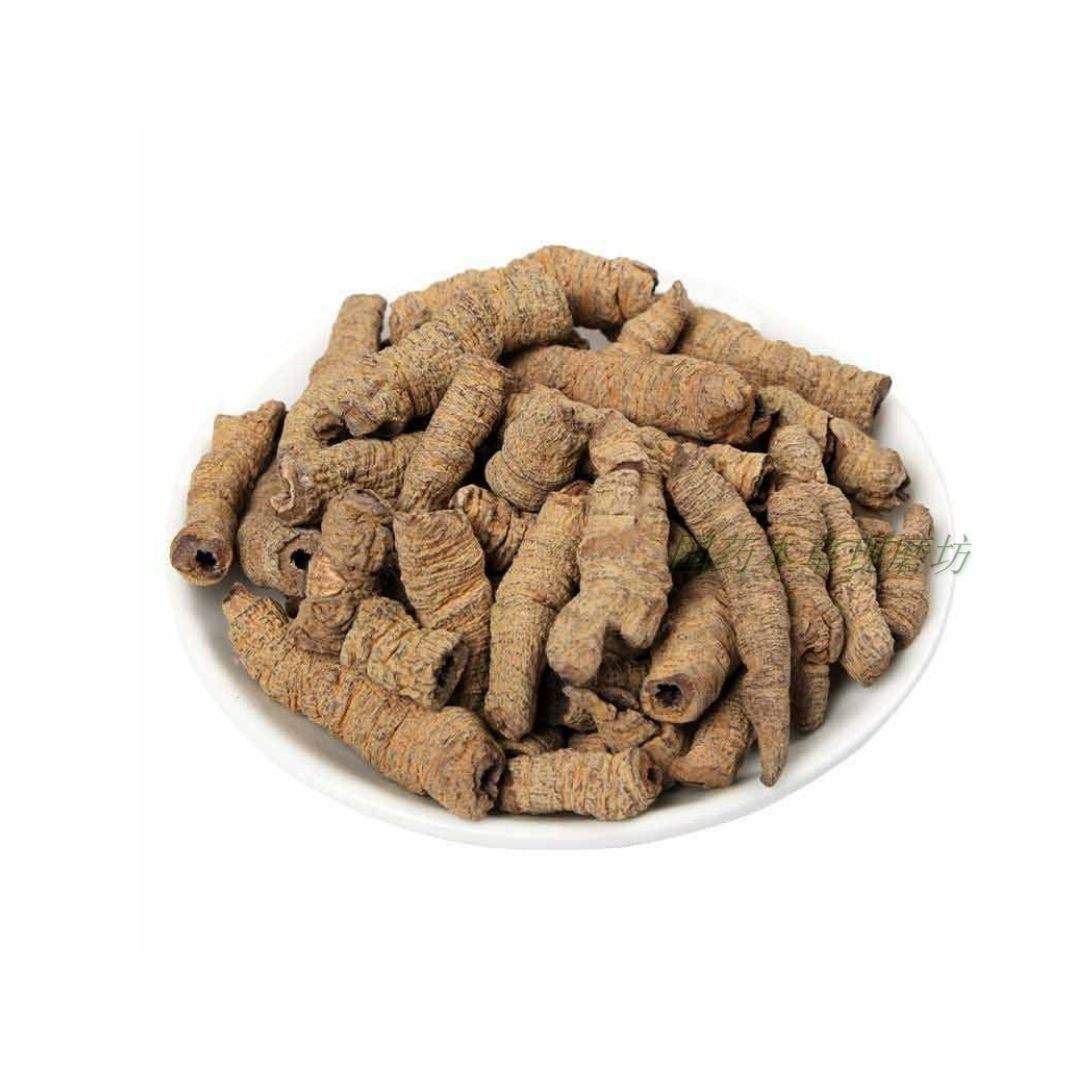
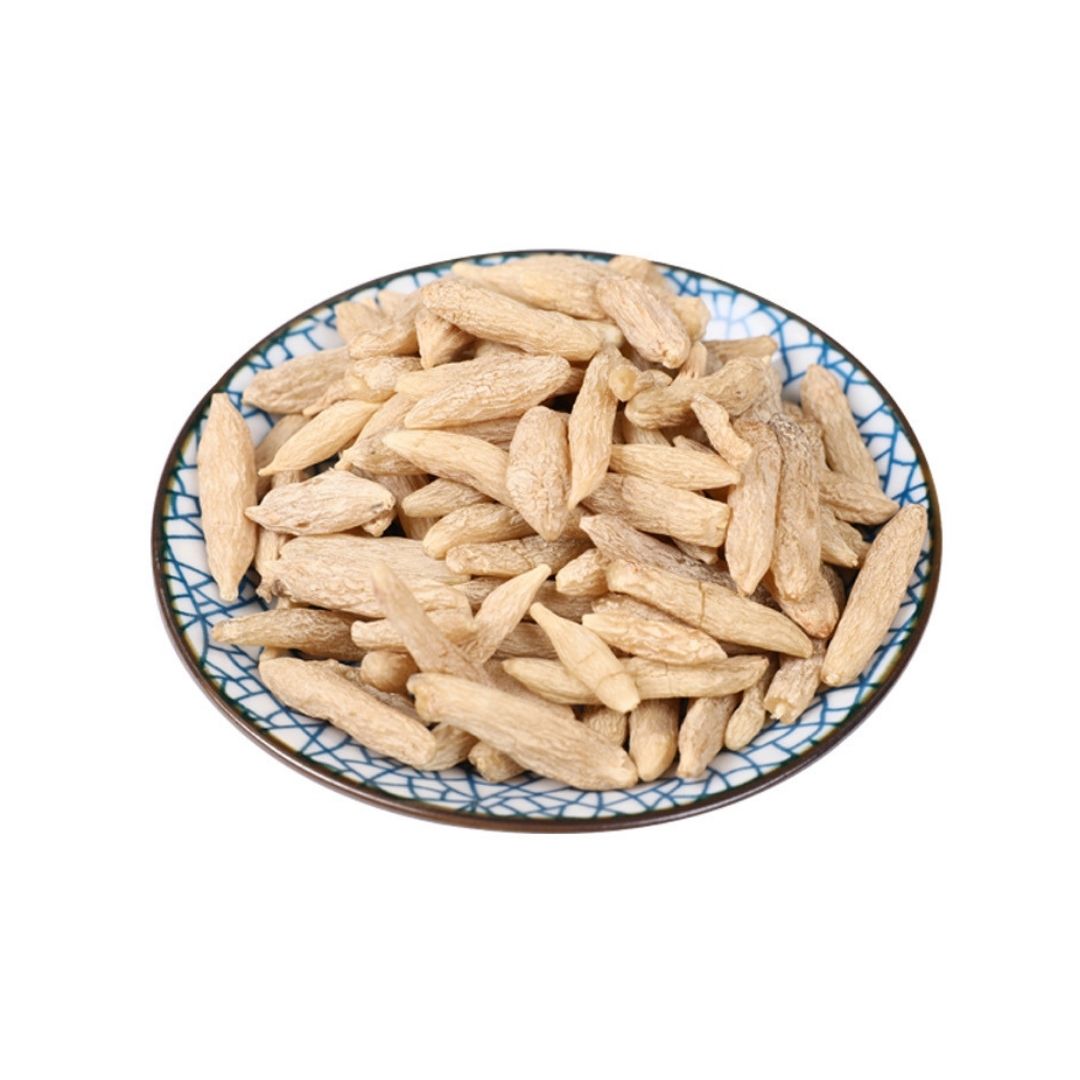
Radix Ophiopogonis, a valuable herb in Traditional Chinese Medicine, is primarily sourced from the tuberous roots of Ophiopogon japonicus. It is well-regarded for its therapeutic properties related to yin deficiency and is often incorporated into herbal formulas to address conditions involving dryness and heat.
Main Active Ingredients
The efficacy of Radix Ophiopogonis is attributed to its active constituents, including steroidal saponins like ophiopogonin D, along with glucose and various amino acids. These components contribute to its moisturizing and heat-clearing effects, making it useful in treating certain conditions. The steroidal saponins, such as ophiopogonin D, are believed to play a significant role in the herb's ability to nourish yin and alleviate dryness. [1]
Product Application Scenarios, Usage, and Dosage
Radix Ophiopogonis is employed in several TCM applications. It's commonly used to treat dry coughs, thirst, and constipation resulting from yin deficiency. It is often prescribed for individuals experiencing symptoms such as dry mouth, a persistent cough with little to no phlegm, and night sweats. Typically, the herb is used in decoctions, with a standard dosage ranging from 6 to 12 grams per day. [2] It can also be found in prepared formulas designed to address specific health concerns related to yin deficiency.
Introduction to the Source Plant, Distribution, and Growth Environment
Ophiopogon japonicus is a perennial herb belonging to the family Liliaceae. It thrives in moist, shady environments, often found in forests, along streams, and in rocky areas. The plant is native to East Asia, with significant cultivation in China, Japan, and Korea. In China, it is widely distributed in provinces such as Zhejiang, Jiangsu, and Sichuan, where the climate and environmental conditions favor its growth. [3]
Harvesting, Processing, and Storage
The roots of Ophiopogon japonicus are typically harvested in the summer, usually between May and July. After harvesting, the roots are cleaned to remove any soil or debris, then dried in the sun or by artificial means until most of the moisture is removed. The dried Radix Ophiopogonis should be stored in a dry, well-ventilated place to prevent mold and maintain its medicinal properties. Proper storage ensures the herb retains its potency and effectiveness over an extended period. [4]
Citations:
[1] Chinese Herbal Materia Medica. (n.d.). Retrieved from http://www.zhongyiyangsheng.com/
[2] Bensky, D., Clavey, S., & Stöger, E. (2004). Chinese Herbal Medicine: Materia Medica, 3rd Edition. Seattle, WA: Eastland Press.
[3] Flora of China. (n.d.). Retrieved from http://www.efloras.org/
[4] Jiangsu New Medical College. (1977). Zhong Yao Da Ci Dian (A Comprehensive Dictionary of Chinese Medicine). Shanghai Science and Technology Press.
Mia Wu

Hi, I’m Mia Wu! I love helping customers discover the best natural ingredients for their products. With a passion for herbs, spices, and fungi, I work to make sure you get only the finest raw materials. Let's grow together! 🌱✨