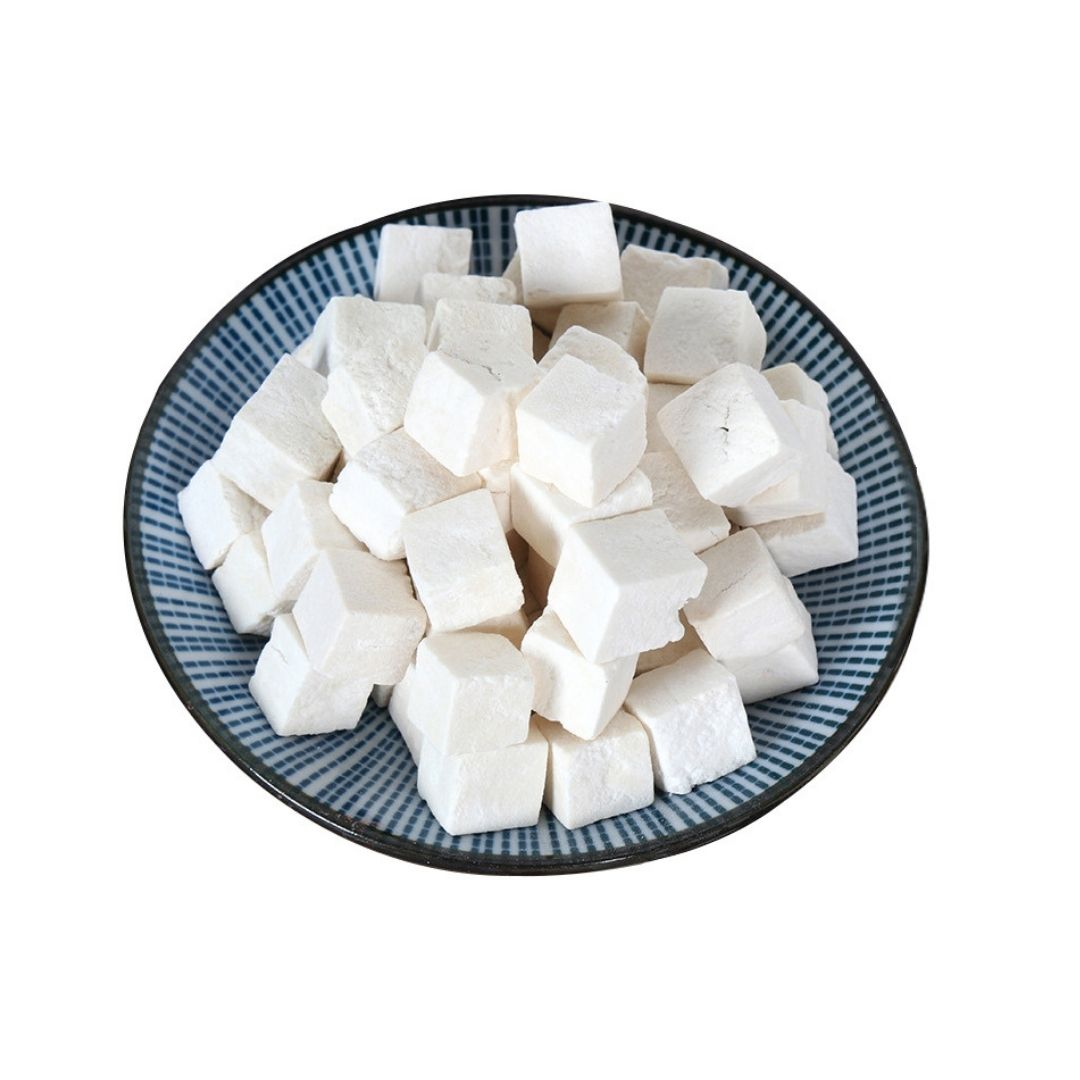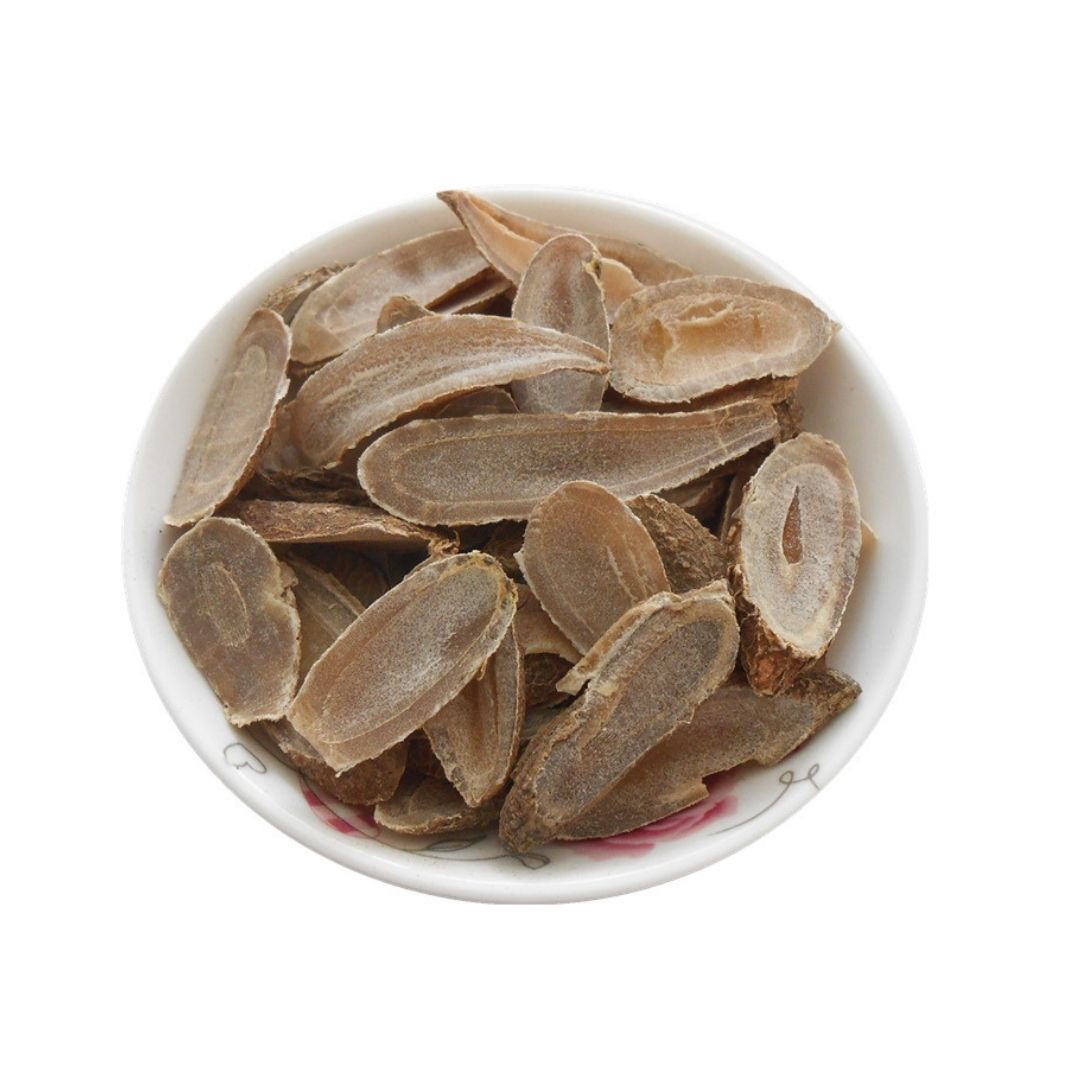


Product Introduction
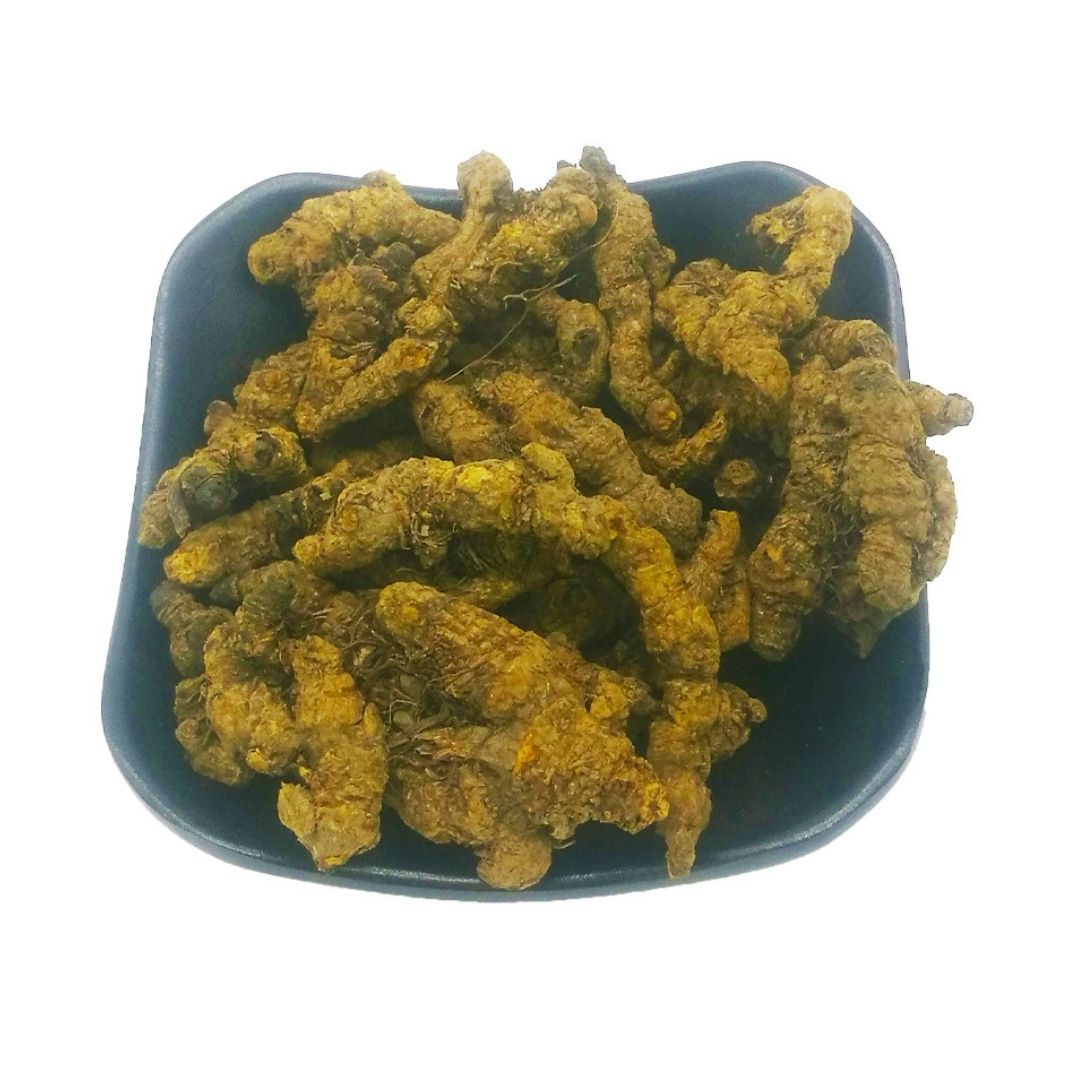
Radix Curcumae, a traditional Chinese medicine, is derived from several Curcuma species, including Curcuma wenyujin, Curcuma longa, Curcuma phaeocaulis, and Curcuma kwangsiensis. It is valued for its medicinal properties, particularly in promoting blood circulation and alleviating pain. The herb is prepared from the dried tuberous roots of these plants, which are sliced and used in various formulations. It has been used for centuries in traditional medicine systems.
Main Active Ingredients
The primary active components of Radix Curcumae are curcuminoids, which include curcumin, demethoxycurcumin, and bisdemethoxycurcumin. These compounds are known for their anti-inflammatory, antioxidant, and neuroprotective effects[1]. Additionally, the herb contains volatile oils, such as turmerone, which may contribute to its therapeutic properties. Polysaccharides present in Radix Curcumae may also play a role in its overall medicinal effects.
Product Application Scenarios, Usage, and Dosage
Radix Curcumae is traditionally used to treat conditions related to blood stagnation, such as menstrual pain, chest pain, and traumatic injuries[2]. It is also employed to clear heat from the heart, addressing conditions like insomnia and anxiety. The typical dosage of Radix Curcumae ranges from 3 to 12 grams, and it can be used in decoctions, powders, or pills, depending on the specific condition and the practitioner's guidance. In some formulas, it is combined with other herbs to enhance its effects.
Introduction to the Source Plant, Distribution, and Growth Environment
Curcuma wenyujin is primarily found in regions of China, including Zhejiang, Sichuan, and Jiangxi provinces. Curcuma longa, commonly known as turmeric, is widely cultivated in India, Southeast Asia, and other tropical regions. Curcuma phaeocaulis is native to southern China. Curcuma kwangsiensis is also found in specific regions of China. These Curcuma species thrive in warm, humid climates with well-drained soil. They are typically grown in agricultural settings, where the rhizomes can develop and mature properly.
Harvesting, Processing, and Storage
The rhizomes of Curcuma plants are typically harvested in late autumn or early winter, when the plants are dormant[3]. After harvesting, the rhizomes are cleaned, boiled or steamed, and then dried. The drying process can be done in the sun or using mechanical dryers. Once dried, the rhizomes are sliced into thin pieces, which are then ready for medicinal use. Proper storage is crucial to maintain the quality of Radix Curcumae; it should be kept in a cool, dry place, away from direct sunlight and moisture, to prevent degradation and maintain its therapeutic properties.
Citations:
- Li, Y., et al. "Curcuminoids protect PC12 cells against β-amyloid-induced injury through activation of Nrf2/ARE signaling pathway." Journal of Ethnopharmacology 149.3 (2013): 843-851.
- Mills, S., & Bone, K. Principles and practice of phytotherapy. Elsevier Health Sciences, 2013.
- Ravindran, P. N., Nirmal Babu, K., & Sivaraman, K. Turmeric: the genus Curcuma. CRC press, 2007.
Mia Wu

Hi, I’m Mia Wu! I love helping customers discover the best natural ingredients for their products. With a passion for herbs, spices, and fungi, I work to make sure you get only the finest raw materials. Let's grow together! 🌱✨