
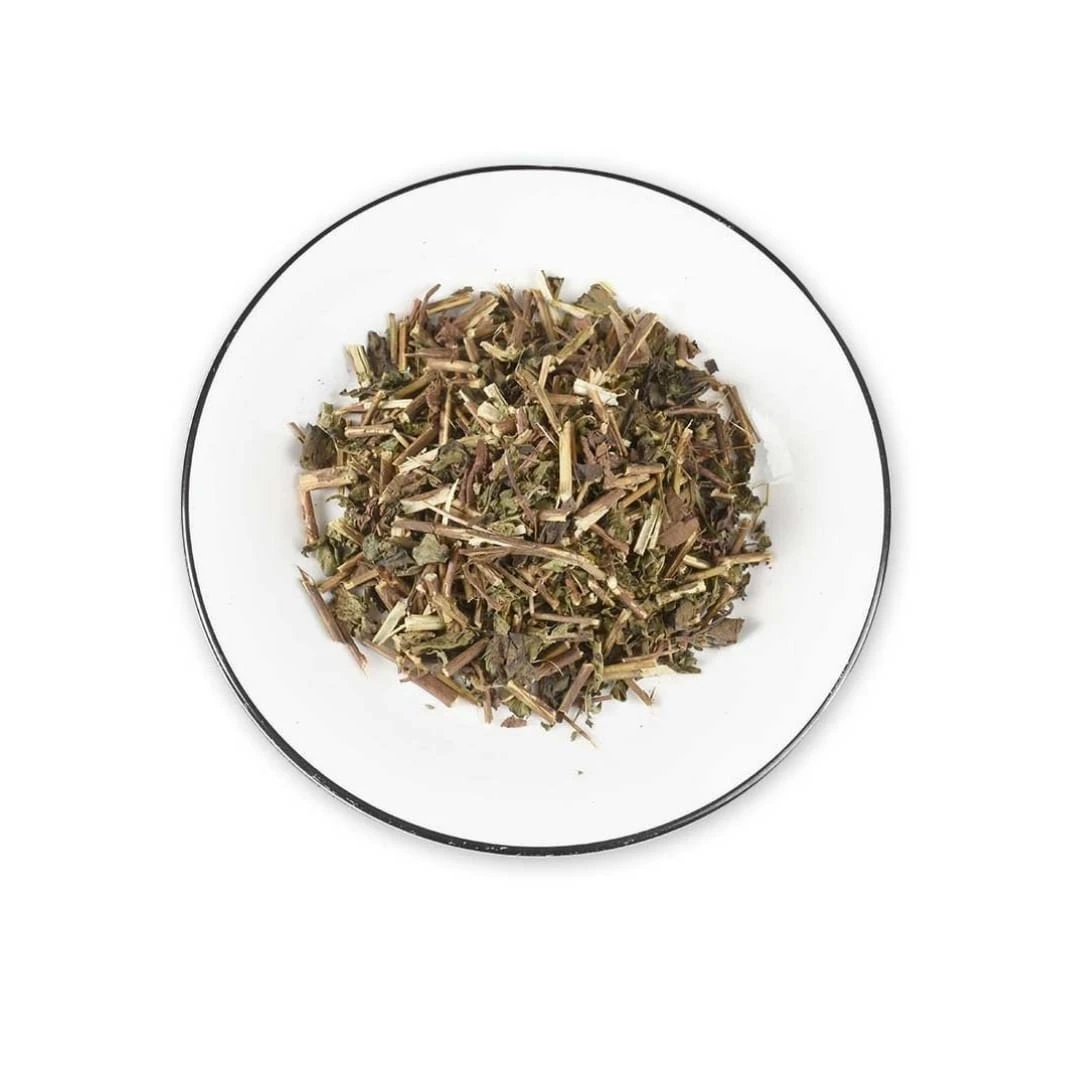


Product Introduction
Rabdosia rubescens, commonly known as Bing Ling Cao or Dong Ling Cao, is a medicinal herb used in traditional Chinese medicine. It is derived from the dried aerial parts of the plant Rabdosia rubescens (Hemsl.) H.Hara, which belongs to the Lamiaceae family. The herb is valued for its therapeutic properties, stemming from its main active components, and its traditional uses focus on heat-clearing and detoxification.
Main Active Ingredients
The primary active components in Rabdosia rubescens are diterpenoids, with oridonin being the most notable. Oridonin has been the subject of scientific research for its potential pharmacological activities, which include anti-tumor, anti-inflammatory, and anti-bacterial effects. These compounds contribute significantly to the herb’s therapeutic capabilities.
Product Application Scenarios, Usage, and Dosage
In traditional Chinese medicine, Rabdosia rubescens is frequently used to address conditions related to heat and toxicity. It is applied in scenarios such as treating inflammation, infections, and certain types of tumors, according to traditional uses. The typical dosage of Rabdosia rubescens is generally between 3 to 9 grams, usually administered in decoction form, however, it is important to follow the guidance of a qualified healthcare professional for appropriate usage and dosage.
Introduction to the Source Plant, Distribution, and Growth Environment
Rabdosia rubescens is a perennial plant primarily found in mountainous regions of China. It thrives in moist, shaded environments, often growing on hillsides and along streams. Its natural habitat and growth patterns influence the herb's quality and availability, and the plant is characterized by its ability to adapt to varying altitudes and climates within its native range.
Harvesting, Processing, and Storage
The aerial parts of Rabdosia rubescens are typically harvested in the summer and autumn. After harvesting, the plant material is dried, either in the sun or through artificial methods, to reduce moisture content. Proper storage is crucial to maintain the herb's potency and prevent degradation, and it should be stored in a cool, dry place, away from light and moisture, to ensure its quality is preserved over time.
Citations
- Hemsley, W. B. "An Enumeration of All the Plants Known
Mia Wu

Hi, I’m Mia Wu! I love helping customers discover the best natural ingredients for their products. With a passion for herbs, spices, and fungi, I work to make sure you get only the finest raw materials. Let's grow together! 🌱✨







