

Product Introduction
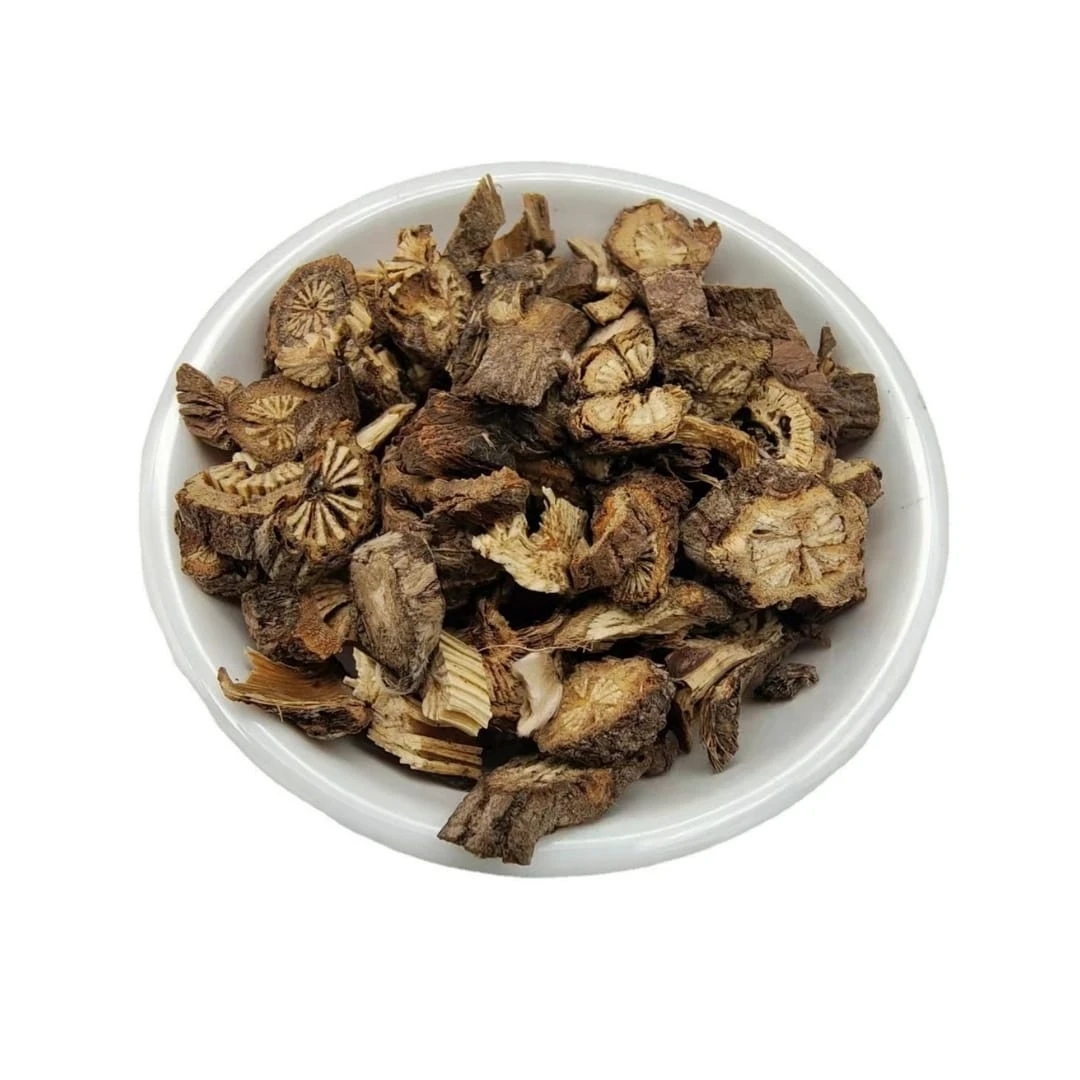
Pulsatilla Chinensis, known as Bai Tou Weng in traditional Chinese medicine (TCM), refers to the dried root of Pulsatilla chinensis (Bunge) Regel. This herb has been utilized for centuries in traditional Chinese medicine practices to address heat-related conditions, resolve toxicity, and alleviate dysentery. Its medicinal properties are attributed to its unique chemical composition, making it a valuable component in herbal formulations.
Main Active Ingredients
The primary active components in Pulsatilla Chinensis include triterpenoid saponins, with pulsatilloside A and pulsatilloside B being among the most notable. These compounds contribute significantly to the herb’s therapeutic effects, such as anti-inflammatory, antibacterial, and antiviral properties. Additional constituents include other saponins and organic acids, which synergistically enhance its overall medicinal efficacy.
Product Application Scenarios, Usage, and Dosage
Pulsatilla Chinensis is commonly prescribed for conditions involving heat toxins, such as dysentery, particularly those characterized by bloody stools. It can be used to treat damp-heat in the intestines, and is often combined with other herbs to enhance its effects. The typical dosage is 6-15 grams, usually administered in decoction form. It may also be prepared as pills or powders, depending on the specific herbal formula and the practitioner’s instructions.
Introduction to the Source Plant, Distribution, and Growth Environment
Pulsatilla chinensis is a perennial herb belonging to the Ranunculaceae family. It is native to regions of China, particularly in the northeastern and northern parts of the country. The plant favors sunny slopes and well-drained soils. It typically grows in wild environments on grasslands and low mountainous areas.
Harvesting, Processing, and Storage
The roots of Pulsatilla chinensis are typically harvested in the spring or autumn. After harvesting, the roots are cleaned, and dried, either in the sun or using artificial drying methods. Proper drying is essential to prevent mold and preserve the herb's active constituents. Once dried, the herb should be stored in a cool, dry, and well-ventilated location to maintain its potency and prevent degradation. It should also be protected from direct light and moisture to ensure its long-term quality.
Citations:
- Tang, W., & Eisenbrand, G. (1992). Chinese Drugs of Plant Origin: Chemistry, Pharmacology, and Use in Traditional and Modern Medicine. Springer-Verlag.
- Bensky, D., Clavey, S., & Stöger, E. (2004). Chinese Herbal Medicine: Materia Medica, 3rd ed. Eastland Press.
- Chen, J. K., & Chen, T. T. (2004). Chinese Medical Herbology and Pharmacology. Art of Medicine Press.
Mia Wu

Hi, I’m Mia Wu! I love helping customers discover the best natural ingredients for their products. With a passion for herbs, spices, and fungi, I work to make sure you get only the finest raw materials. Let's grow together! 🌱✨