

Product Introduction
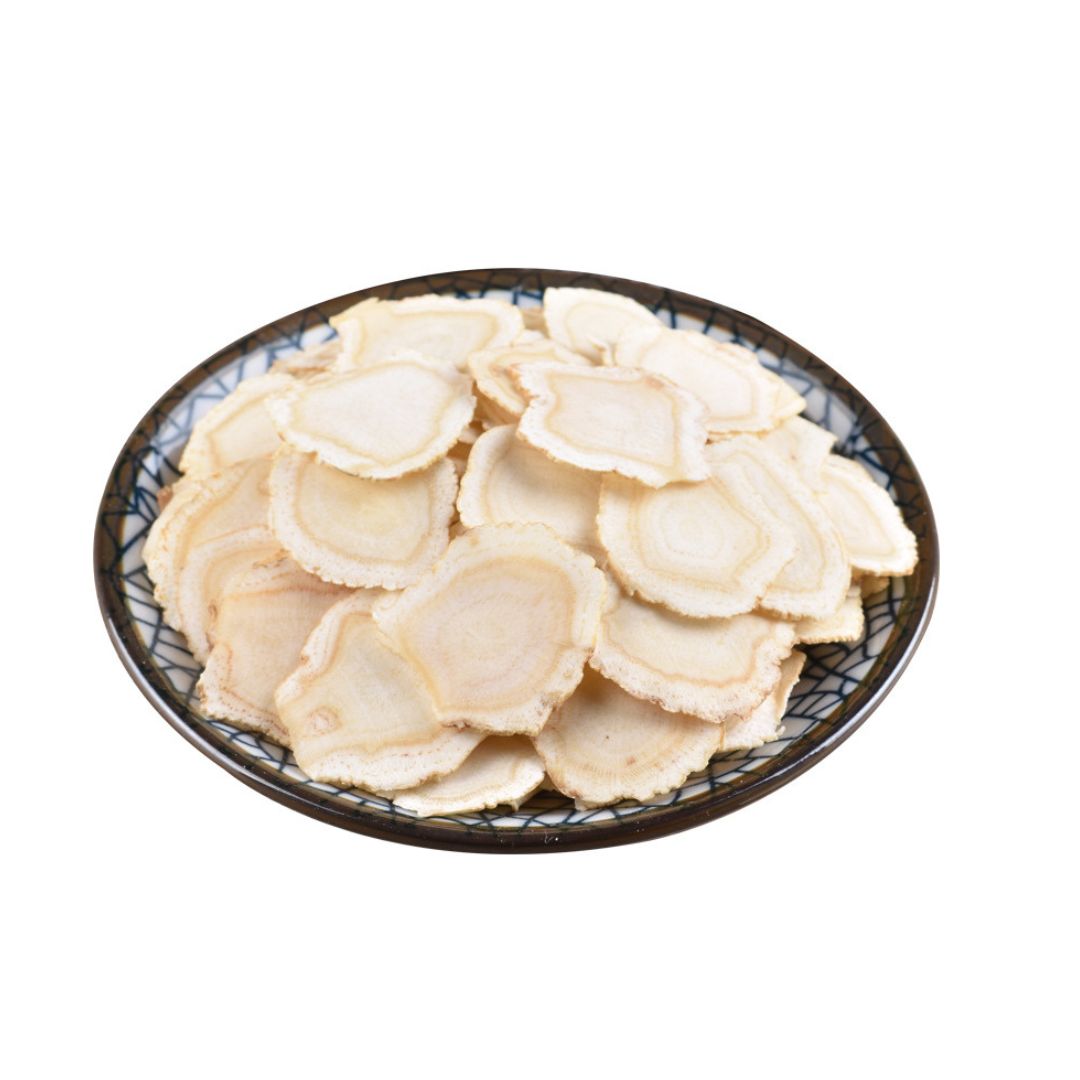
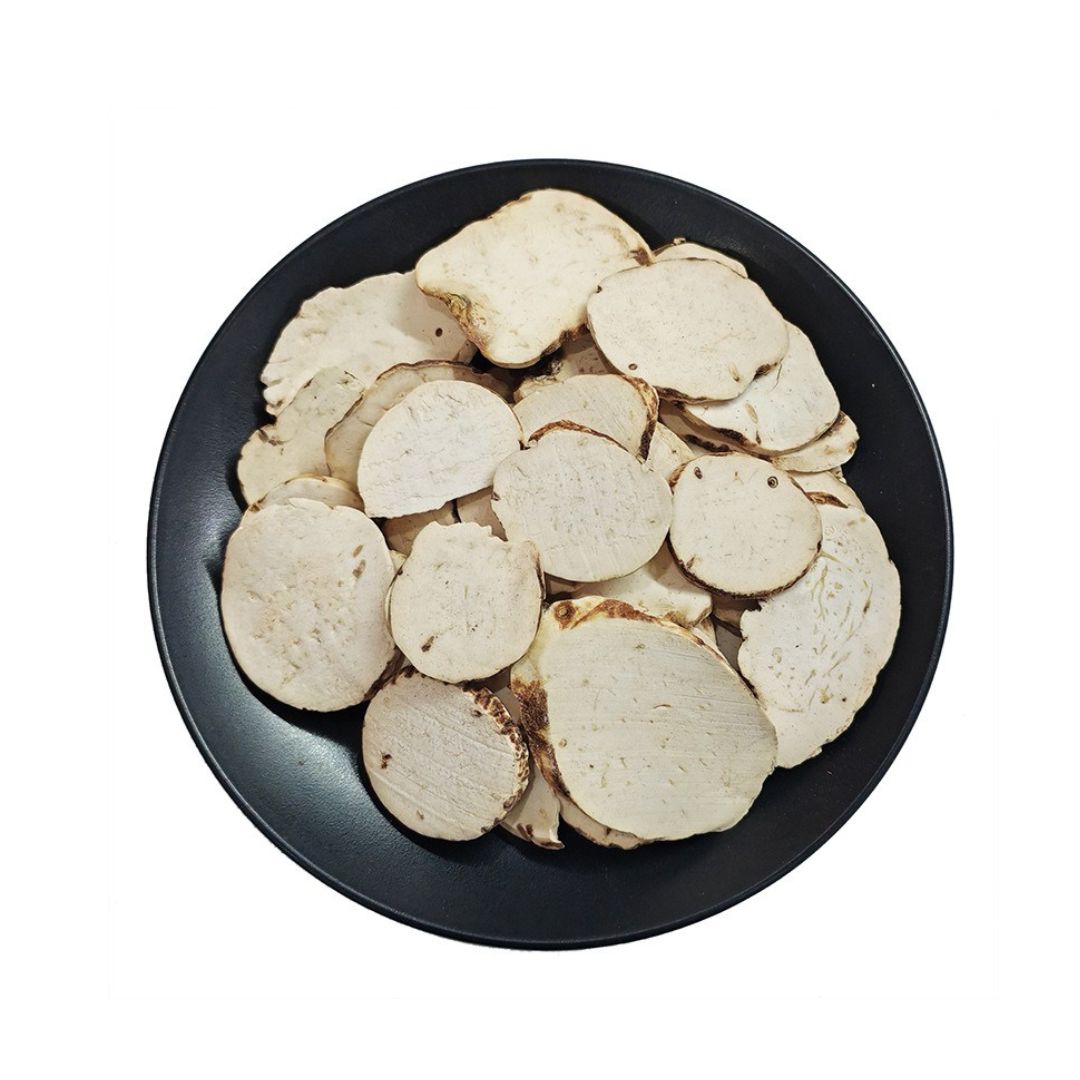
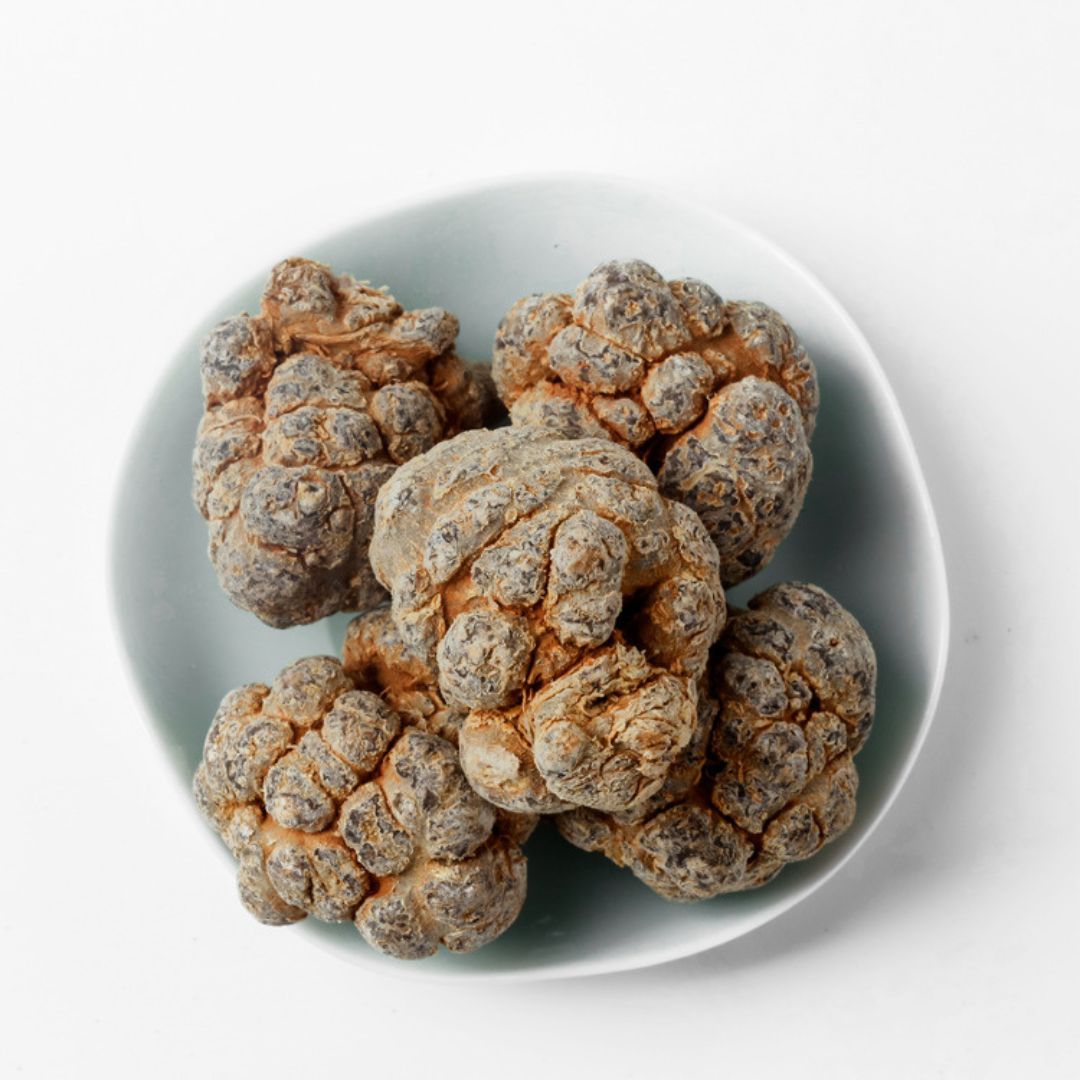
Pseudo-ginseng, also known as Sanqi, is a valuable herb in Traditional Chinese Medicine (TCM). It is derived from the dried roots of the Panax notoginseng plant and is well-regarded for its hemostatic, analgesic, and blood circulation-promoting properties. The herb is commonly used to address bleeding, pain, and cardiovascular ailments.
Main Active Ingredients
The main active ingredients in pseudo-ginseng include saponins, flavonoids, and polysaccharides. Notoginsenosides are the primary saponins, which contribute significantly to the herb's therapeutic effects. These compounds are known for their roles in reducing inflammation, protecting blood vessels, and improving blood flow. Flavonoids and polysaccharides also contribute to the antioxidant and immune-modulating properties of the herb.
Product Application Scenarios, Usage, and Dosage
Pseudo-ginseng is applied in various scenarios and is often used to treat bleeding disorders, such as nosebleeds, hematemesis, and traumatic bleeding. It can also alleviate pain associated with injuries and promote the healing of fractures. In cardiovascular applications, it helps to reduce the risk of blood clots and improve circulation. The typical dosage ranges from 3 to 9 grams per day, usually taken orally in decoctions or powder form. It can be used alone or combined with other herbs depending on the specific condition being treated.
Introduction to the Source Plant, Distribution, and Growth Environment
The source plant, Panax notoginseng, belongs to the Araliaceae family. It is native to the mountainous regions of southwestern China, particularly in Yunnan and Guangxi provinces. The plant thrives in a cool, moist, and shady environment, typically at elevations between 1500 and 1800 meters. The cultivation of Panax notoginseng requires well-drained soil and careful management to mimic its natural habitat.
Harvesting, Processing, and Storage
The roots of Panax notoginseng are typically harvested after three to seven years of growth. Harvesting usually occurs in the autumn or winter when the active constituents are at their peak concentration. After harvesting, the roots are cleaned, dried, and processed. Drying can be done by sun-drying, air-drying, or low-temperature oven drying. Proper storage is critical to maintaining the herb's quality, and it should be stored in a cool, dry place away from direct light and moisture to prevent degradation.
Citations
- https://www.ncbi.nlm.nih.gov/pmc/articles/PMC6272502/
- https://www.sciencedirect.com/topics/pharmacology-toxicology-and-pharmaceutical-science/panax-notoginseng
- https://www.verywellhealth.com/san-qi-ginseng-what-you-need-to-know-89586
Mia Wu

Hi, I’m Mia Wu! I love helping customers discover the best natural ingredients for their products. With a passion for herbs, spices, and fungi, I work to make sure you get only the finest raw materials. Let's grow together! 🌱✨