

Product Introduction
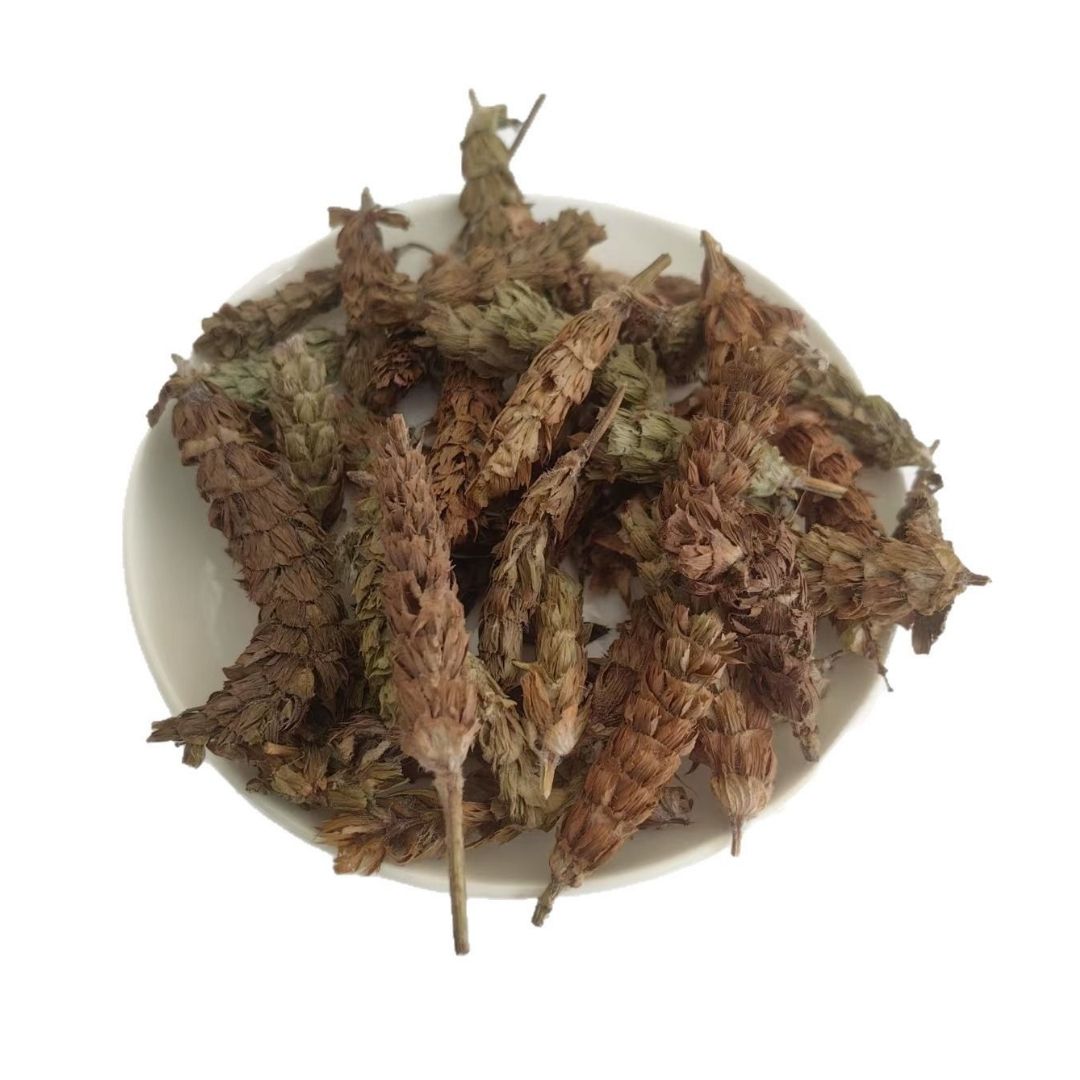
Prunella vulgaris, commonly known as self-heal or heal-all, is a perennial plant found in various parts of the world, and its medicinal use has been documented throughout history. The plant's aerial parts, which include the stems, leaves, and flowers, are harvested and dried for use in traditional medicine. It is valued for its therapeutic properties, addressing a range of conditions through its anti-inflammatory and antiviral effects.
Main Active Ingredients
The efficacy of Prunella vulgaris is attributed primarily to its rich composition of bioactive compounds. Triterpenoids, like ursolic acid and oleanolic acid, are present and contribute to its anti-inflammatory and antioxidant activities. Flavonoids, including rutin and hyperoside, further enhance its antioxidant capabilities and provide additional health benefits. Phenolic acids, such as rosmarinic acid, contribute to its overall therapeutic profile. These components work synergistically to provide the observed medicinal effects. [1]
Product Application Scenarios, Usage, and Dosage
Prunella vulgaris is traditionally applied to address conditions related to liver fire, such as headaches, dizziness, and red, painful eyes. It is also used to reduce swelling and inflammation, making it useful in treating sores, carbuncles, and scrofula. The herb can be prepared as a decoction by boiling the dried aerial parts in water, or it can be found in various forms such as capsules, tinctures, and ointments. The typical dosage of the dried herb is 9-15 grams, typically taken orally. [2] For external use, a concentrated decoction can be applied directly to the affected area.
Introduction to the Source Plant, Distribution, and Growth Environment
Prunella vulgaris is a member of the Lamiaceae family, characterized by its square stems and opposite leaves. It is widely distributed across Asia, Europe, and North America, thriving in diverse environments such as meadows, woodlands, and disturbed areas. The plant prefers well-drained soils and can adapt to both sunny and partially shaded conditions. Its adaptability contributes to its widespread availability. The plant typically grows to a height of 15 to 30 centimeters and is easily recognizable by its self-seeding capability. [3]
Harvesting, Processing, and Storage
The aerial parts of Prunella vulgaris are typically harvested during the flowering season, usually in the summer months. Harvesting should occur on dry days to minimize moisture content, which can lead to mold growth during storage. After harvesting, the plant material is dried either in the sun or in a well-ventilated area until it is brittle. The dried herb should be stored in airtight containers in a cool, dry, and dark place to maintain its potency and prevent degradation. Proper storage ensures the herb retains its medicinal properties for an extended period. [4]
Citations:
[1] : Ryu, Y. K., et al. "Antiviral Activity of Ursolic Acid Isolated from Prunella vulgaris against Herpes Simplex Virus." Journal of Ethnopharmacology 129.3 (2010): 409-414.
[2] : Traditional Chinese Medicine e-Books. Prunella vulgaris. Retrieved from tcmbooks.org
[3] : USDA Plants Database. Prunella vulgaris L. Retrieved from plants.usda.gov.
[4] : Foster, S., & Tyler, V. E. Tyler's Honest Herbal: A Sensible Guide to the Use of Herbs and Related Remedies. Psychology Press, 1999.
Mia Wu

Hi, I’m Mia Wu! I love helping customers discover the best natural ingredients for their products. With a passion for herbs, spices, and fungi, I work to make sure you get only the finest raw materials. Let's grow together! 🌱✨