

Product Introduction
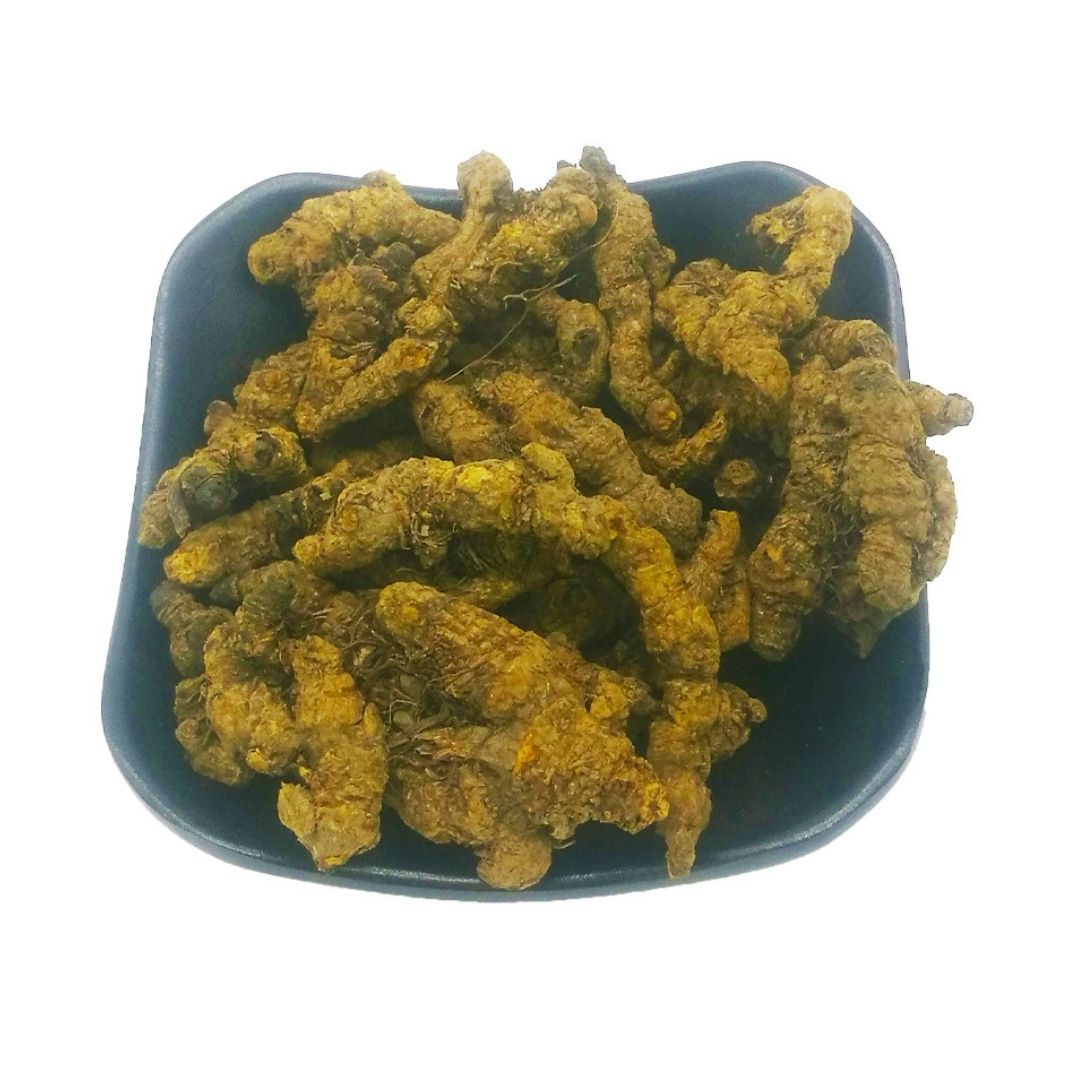
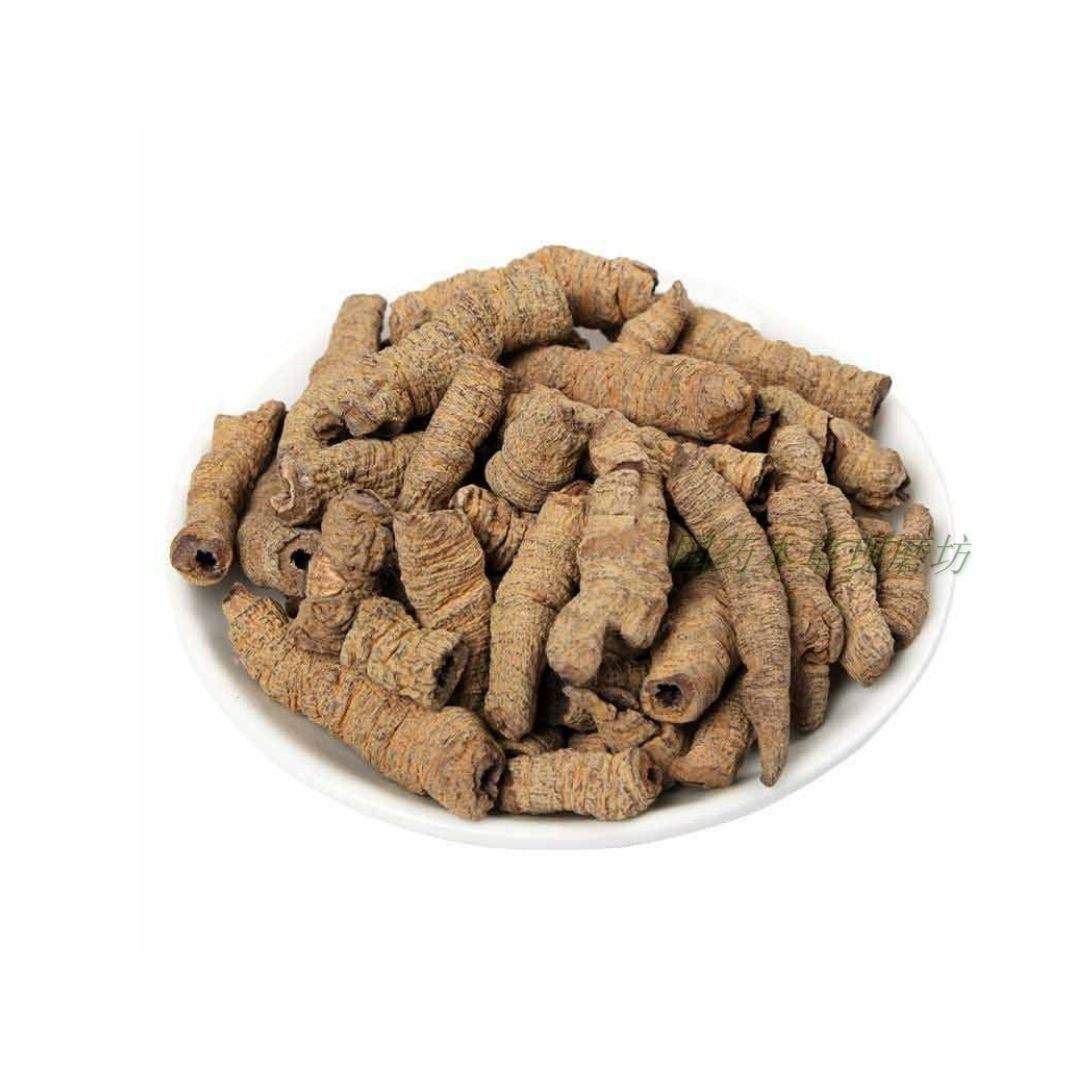
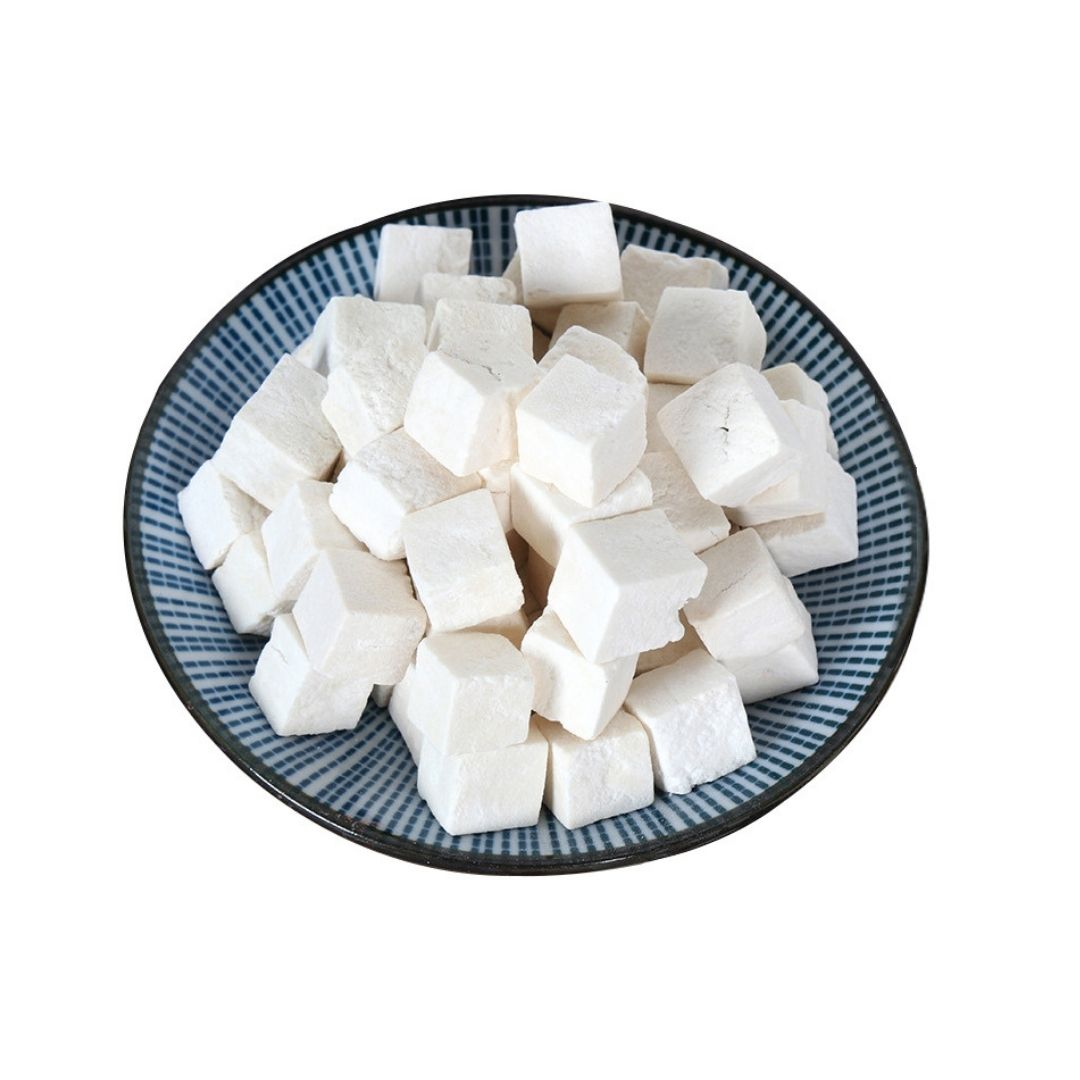
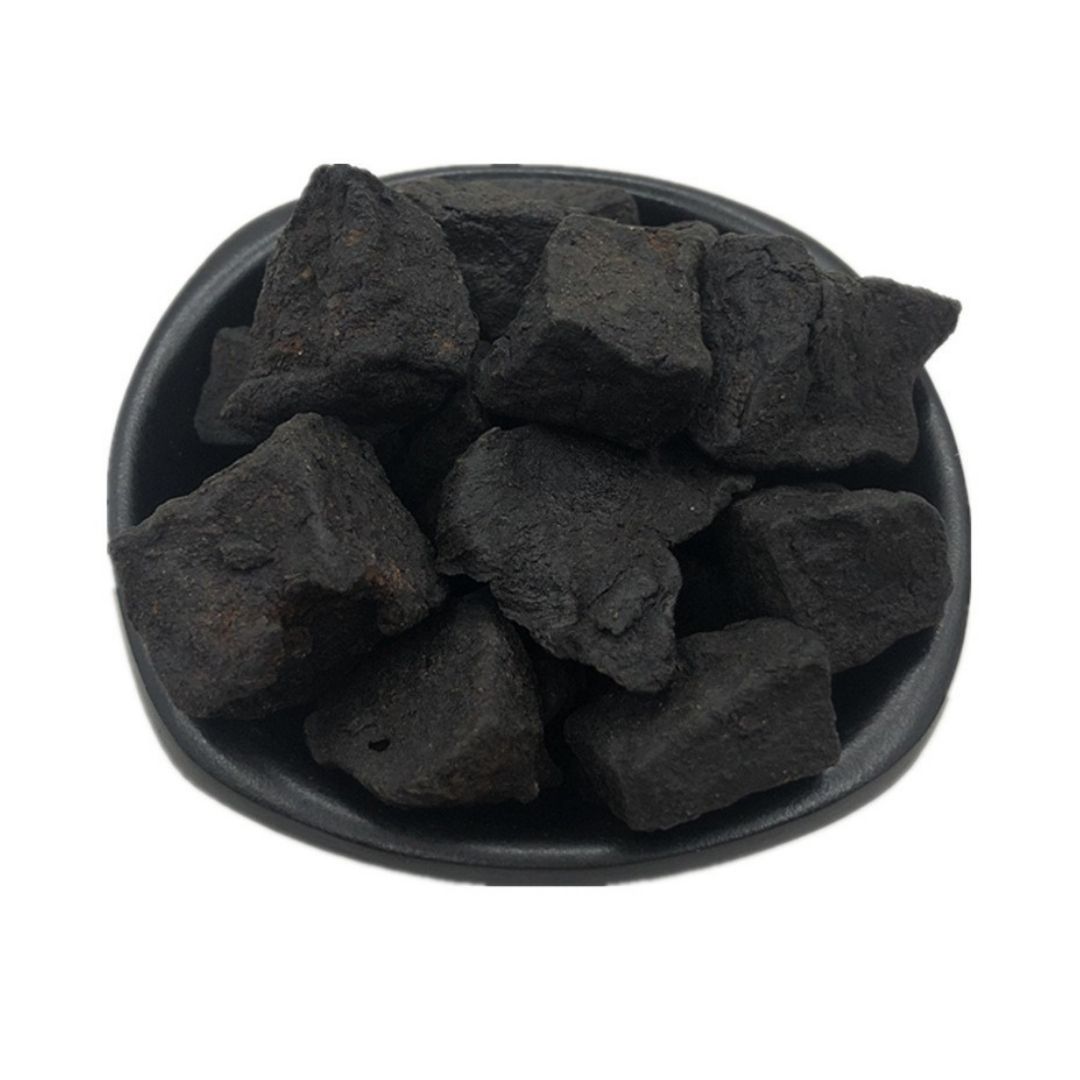
Preparation of Polygonum multiflorum is a widely used traditional Chinese medicine, created through the processing of raw Polygonum multiflorum roots. Unlike its raw counterpart, preparation of Polygonum multiflorum undergoes a steaming process, typically with black bean juice, that alters its properties. This processing step is crucial to reduce the potential for any undesirable effects associated with the raw herb, while also enhancing its tonifying and nourishing qualities. The preparation transforms the herb, making it more suited for long-term use, specifically in formulations designed to address deficiencies of the liver and kidney, as well as to fortify the blood.
Main Active Ingredients
The prominent active ingredients in preparation of Polygonum multiflorum encompass a range of chemical compounds known for their health-promoting properties. Stilbenes, such as tetrahydroxystilbene glucoside (TSG), are among the key components. These compounds are recognized for their antioxidant and anti-inflammatory effects. Anthraquinones, including emodin and physcion, are also present, contributing to the herb's diverse pharmacological actions. Phospholipids further enrich the composition, playing a role in supporting various physiological processes. These ingredients collectively contribute to the therapeutic effects associated with the preparation of Polygonum multiflorum.
Product Application Scenarios, Usage, and Dosage
Preparation of Polygonum multiflorum is employed in various scenarios within traditional Chinese medicine, frequently prescribed to address conditions associated with aging, such as premature graying of hair, hair loss, and weakened bones. It's also utilized to alleviate dizziness, blurred vision, and lower back pain, often attributed to liver and kidney deficiency. The herb is commonly incorporated into herbal formulas designed to nourish the blood and enhance overall vitality.
Typical usage involves oral administration. The dosage generally ranges from 6 to 12 grams per day, but the exact amount may vary depending on the specific formulation, the individual's condition, and the practitioner's discretion. Preparation of Polygonum multiflorum can be taken as part of a decoction, in capsules, or as a powder.
Introduction to the Source Plant, Distribution, and Growth Environment
The source plant, Polygonum multiflorum, is a perennial vine native to China. It thrives in mountainous regions, forest edges, and valleys. The plant is known for its twining stems, heart-shaped leaves, and white or greenish flowers. Polygonum multiflorum is adaptable to different soil types, but it prefers moist, well-drained environments and partial shade. Its distribution is primarily in central and southern China.
Harvesting, Processing, and Storage
Harvesting of Polygonum multiflorum roots typically occurs in the autumn. Mature roots are carefully dug up, cleaned, and prepared for processing. The processing method involves steaming the roots with black bean juice, a process that can be repeated multiple times to transform the herb's properties. This steaming process reduces potential side effects and enhances its therapeutic benefits. After steaming, the roots are dried, sliced, and then used in herbal formulations. Proper storage is crucial to maintain the herb's quality, requiring a cool, dry place away from direct sunlight and moisture.
Citations:
- Komatsu, K., Deng, H., Tanaka, N., et al. (2003). "Studies on the constituents of Polygonum multiflorum." Chemical & Pharmaceutical Bulletin, 51(9), 1067-1070.
- Li, T. S. C. (2013). Medicinal Plants: Chemistry and Properties. CRC Press.
- Xie, Z., Zhang, Z., Wu, X., et al. (2015). "Herbal medicine for the treatment of alopecia: A systematic review." Evidence-Based Complementary and Alternative Medicine, 2015, 841028.
Mia Wu

Hi, I’m Mia Wu! I love helping customers discover the best natural ingredients for their products. With a passion for herbs, spices, and fungi, I work to make sure you get only the finest raw materials. Let's grow together! 🌱✨