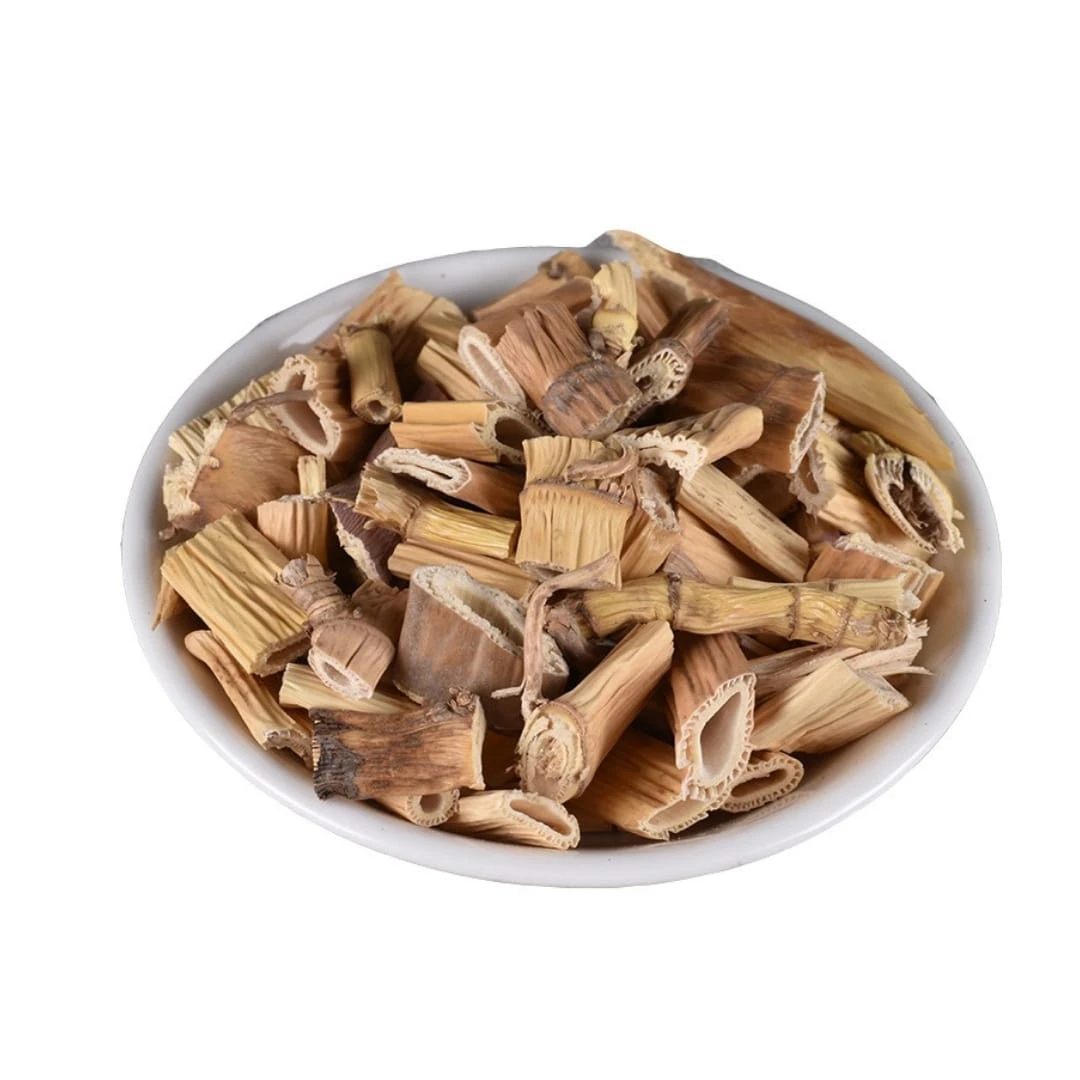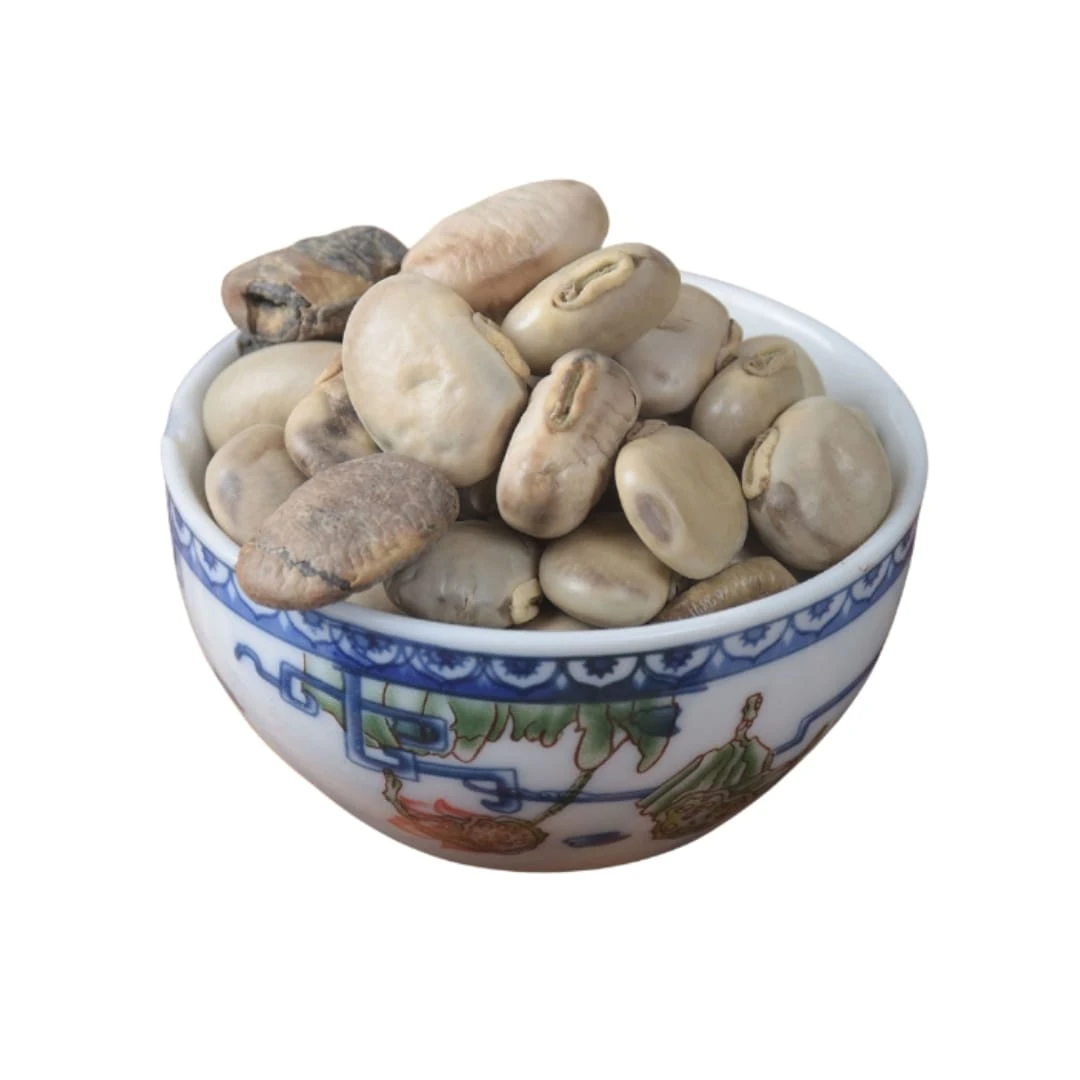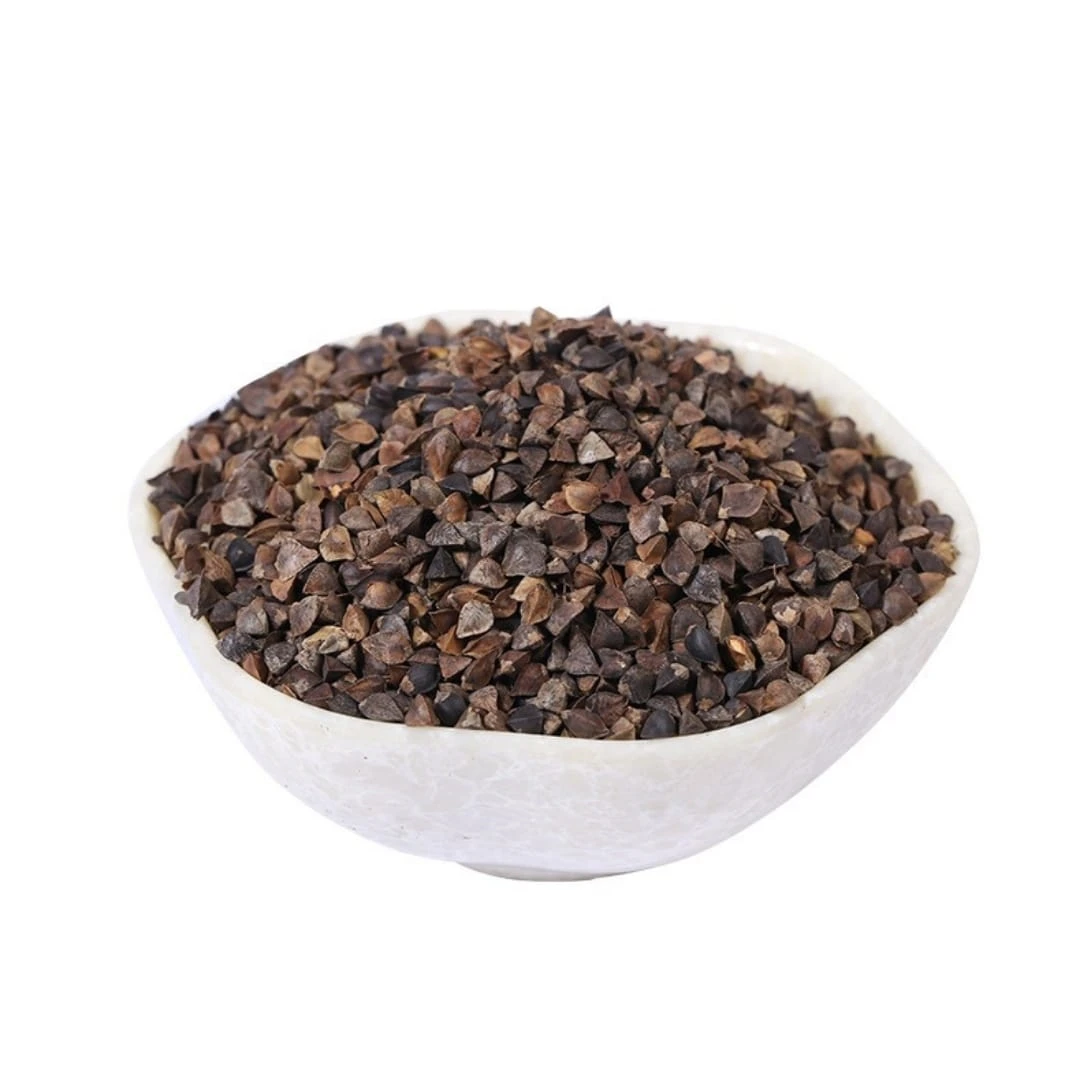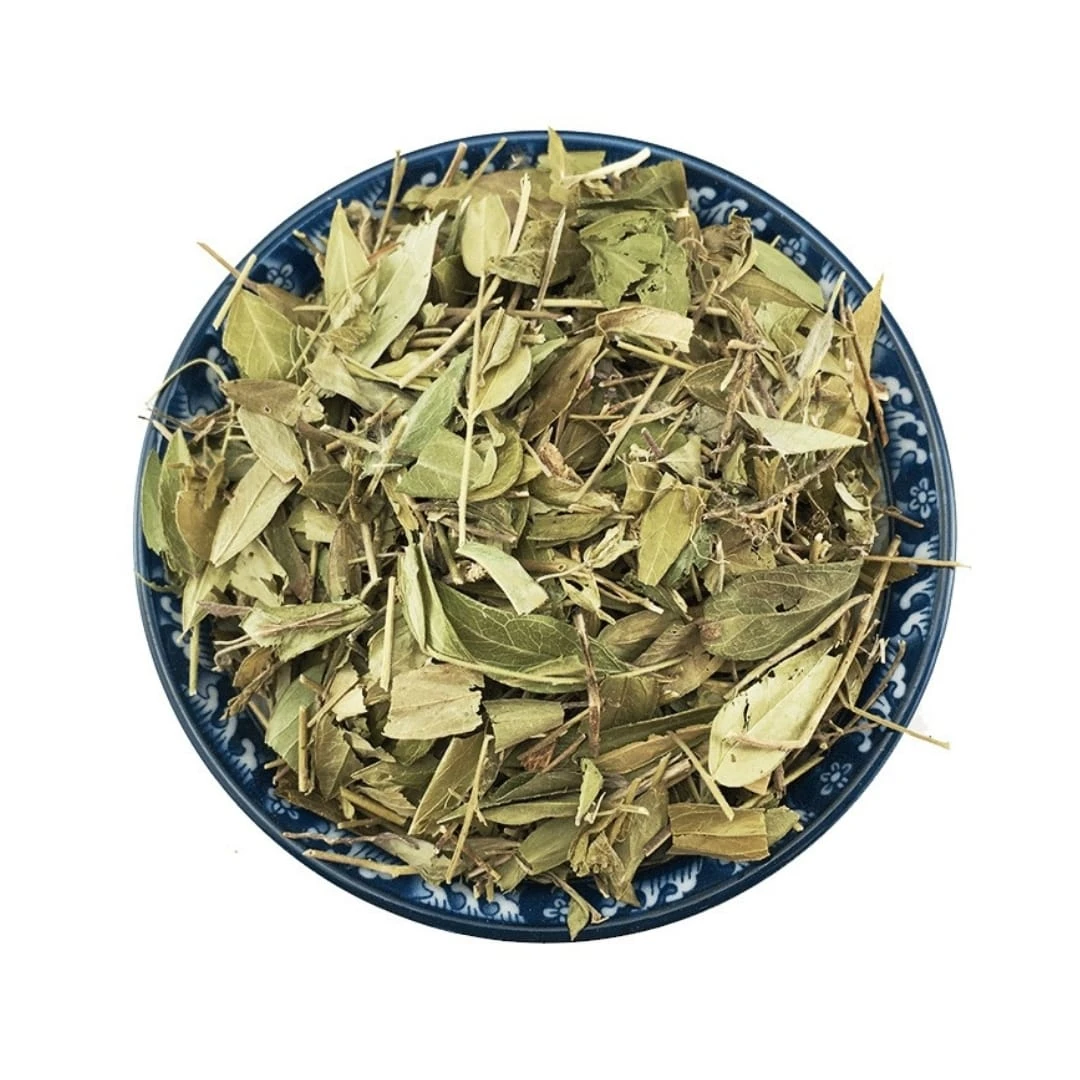


Product Introduction
Polygala japonica is a small perennial herb that has been used in traditional medicine practices. The plant is characterized by its slender stems and small leaves, typically found in various regions. The root of Polygala japonica is what is primarily utilized for its medicinal properties, believed to offer cognitive and respiratory health benefits. Its use is documented in traditional herbal medicine texts, highlighting its importance for memory enhancement and respiratory relief.
Main Active Ingredients
The key active ingredients in Polygala japonica include saponins and flavonoids. Saponins are glycosides known for their foam-forming ability when mixed with water and possess various biological activities. Flavonoids are antioxidants found in plants. These components contribute to the herb's therapeutic effects, such as cognitive enhancement through neuroprotection and respiratory relief attributed to their anti-inflammatory properties.[1]
Product Application Scenarios, Usage, and Dosage
Polygala japonica is often used in scenarios that require cognitive enhancement, such as studying or working on mentally demanding tasks. It's also applicable for individuals experiencing respiratory issues like chronic cough or excessive phlegm, it can assists lung health.
The typical dosage of Polygala japonica is 3-9 grams per day, usually taken as a decoction. To prepare a decoction, the dried root is boiled in water for about 20-30 minutes, and the resulting liquid is consumed, this is said to free the plants natural ingredients. It can also be found in powdered or capsule form, for easier use. It is often combined with other herbs to enhance its effects or to address specific health conditions.[2]
Introduction to the Source Plant, Distribution, and Growth Environment
Polygala japonica belongs to the Polygalaceae family and is native to regions of East Asia, primarily found in Japan, Korea, and China. It thrives in moist, shaded environments such as forest edges and grasslands. The plant typically grows to a height of 10-20 cm, featuring small, oval-shaped leaves and tiny flowers. This herb prefers well-drained soil and partial shade, making it well-suited to temperate climates with moderate rainfall.
Harvesting, Processing, and Storage
The roots of Polygala japonica are typically harvested in the autumn, when the plant's energy is concentrated in the root system. The roots are then washed thoroughly to remove any soil or debris. After washing, the roots are dried, either in the sun or using a low-heat drying machine, to reduce moisture content and prevent spoilage.
Once dried, the roots are cut into smaller pieces. Proper storage is essential to maintain the herb's potency and prevent degradation. The dried roots should be stored in an airtight container, away from direct sunlight and moisture. A cool, dry place is ideal for preserving the herb's active compounds and ensuring its efficacy over time.[3]
Citations:
[1] Li, H., et al. "Flavonoids: Structure, properties and therapeutic potential." Journal of Functional Foods, 2015, 18: 100-111.
[2] Chen, J. K., & Chen, T. T. Chinese Medical Herbology and Pharmacology. City of Industry, CA: Art of Medicine Press, 2004.
[3] Zhao, Z. Z., et al. "Authentication of Chinese Materia Medica." Journal of Ethnopharmacology, 2010, 130(2): 209-215.
Mia Wu

Hi, I’m Mia Wu! I love helping customers discover the best natural ingredients for their products. With a passion for herbs, spices, and fungi, I work to make sure you get only the finest raw materials. Let's grow together! 🌱✨