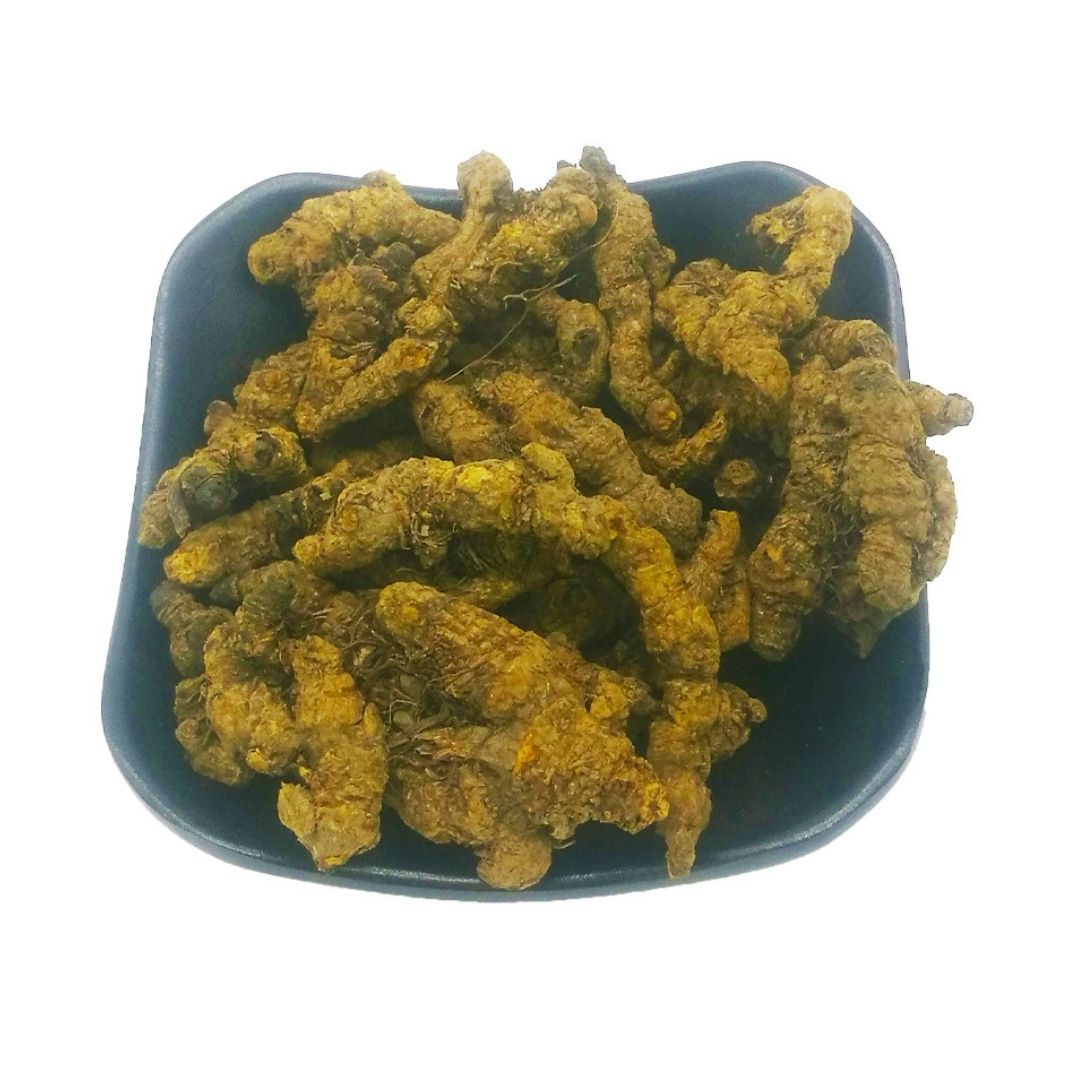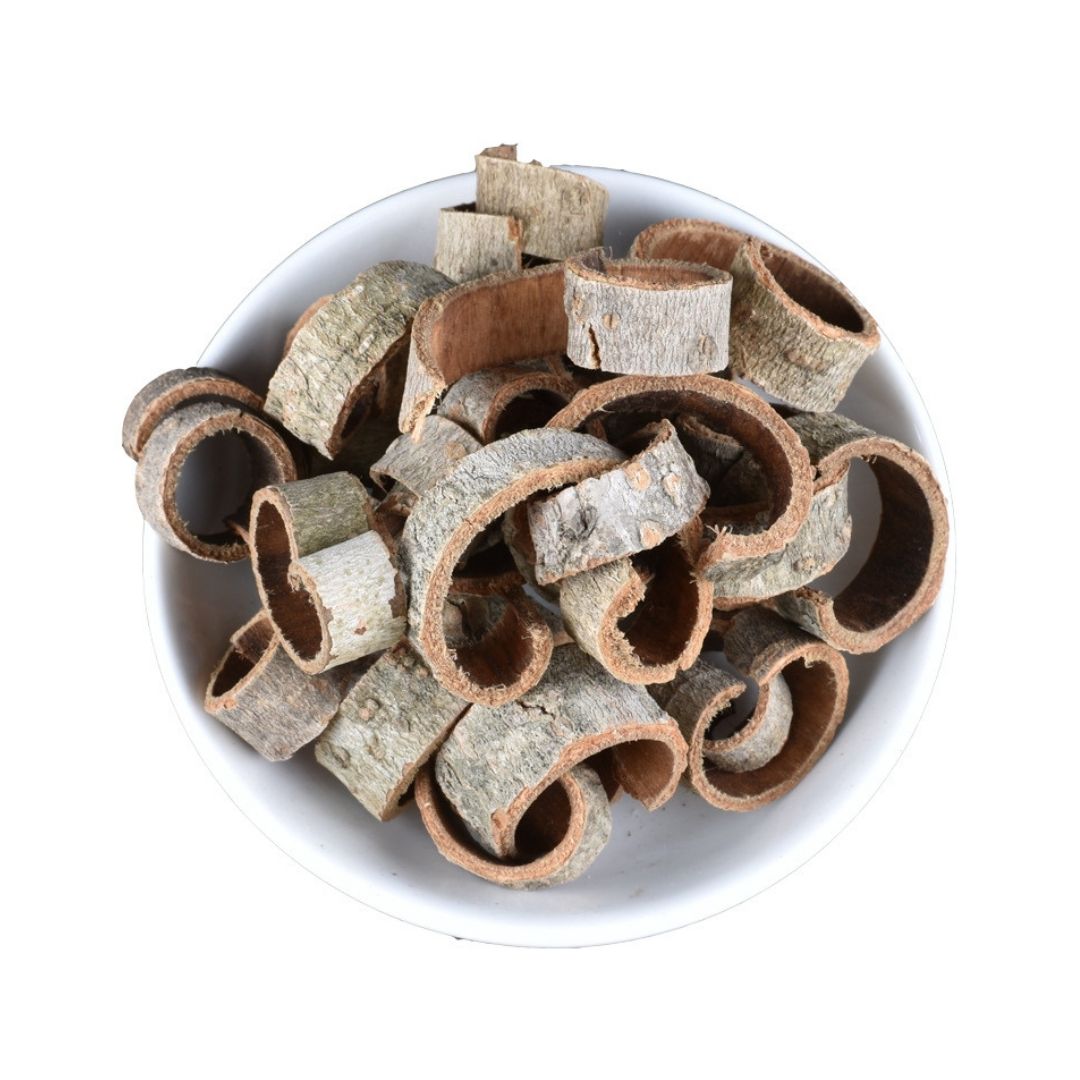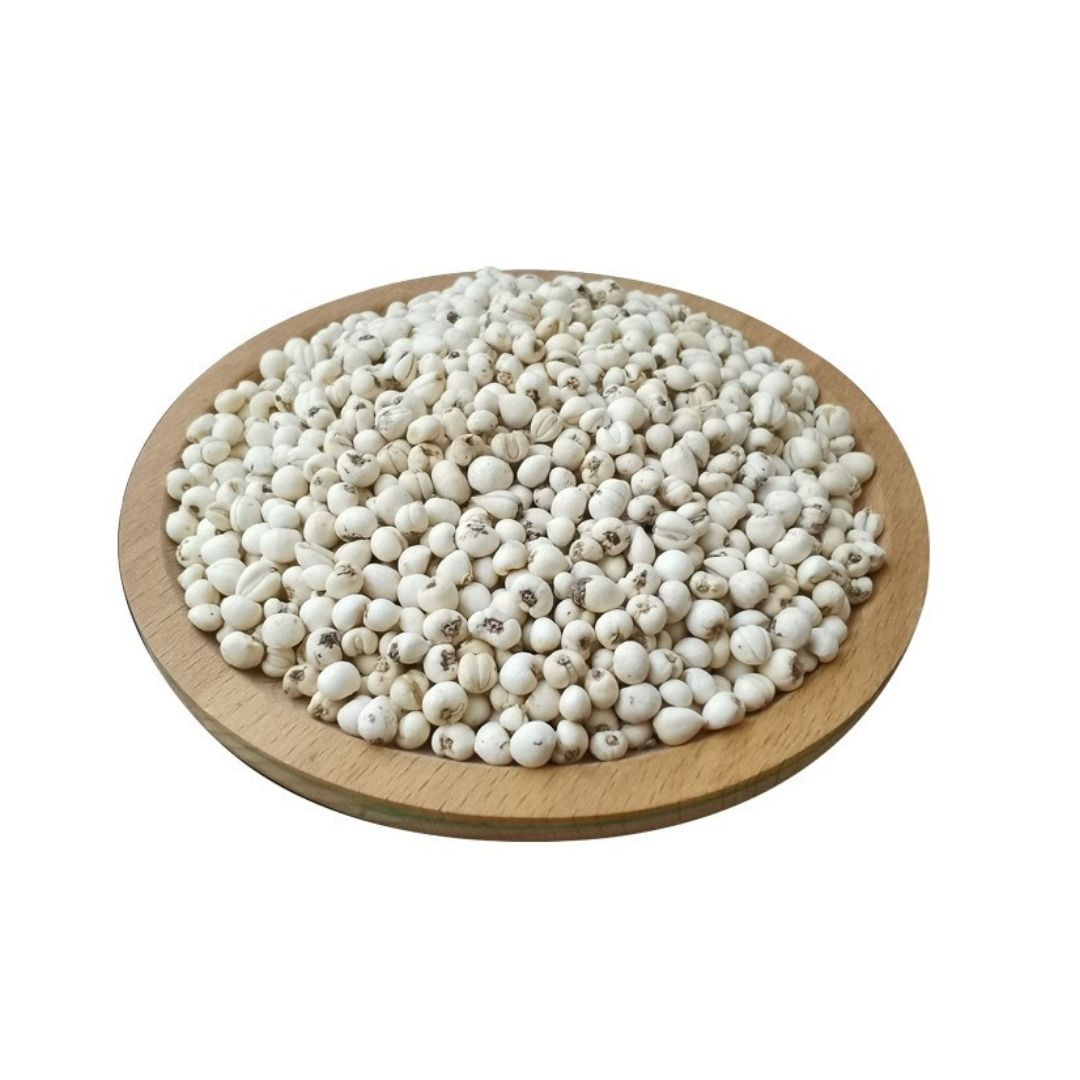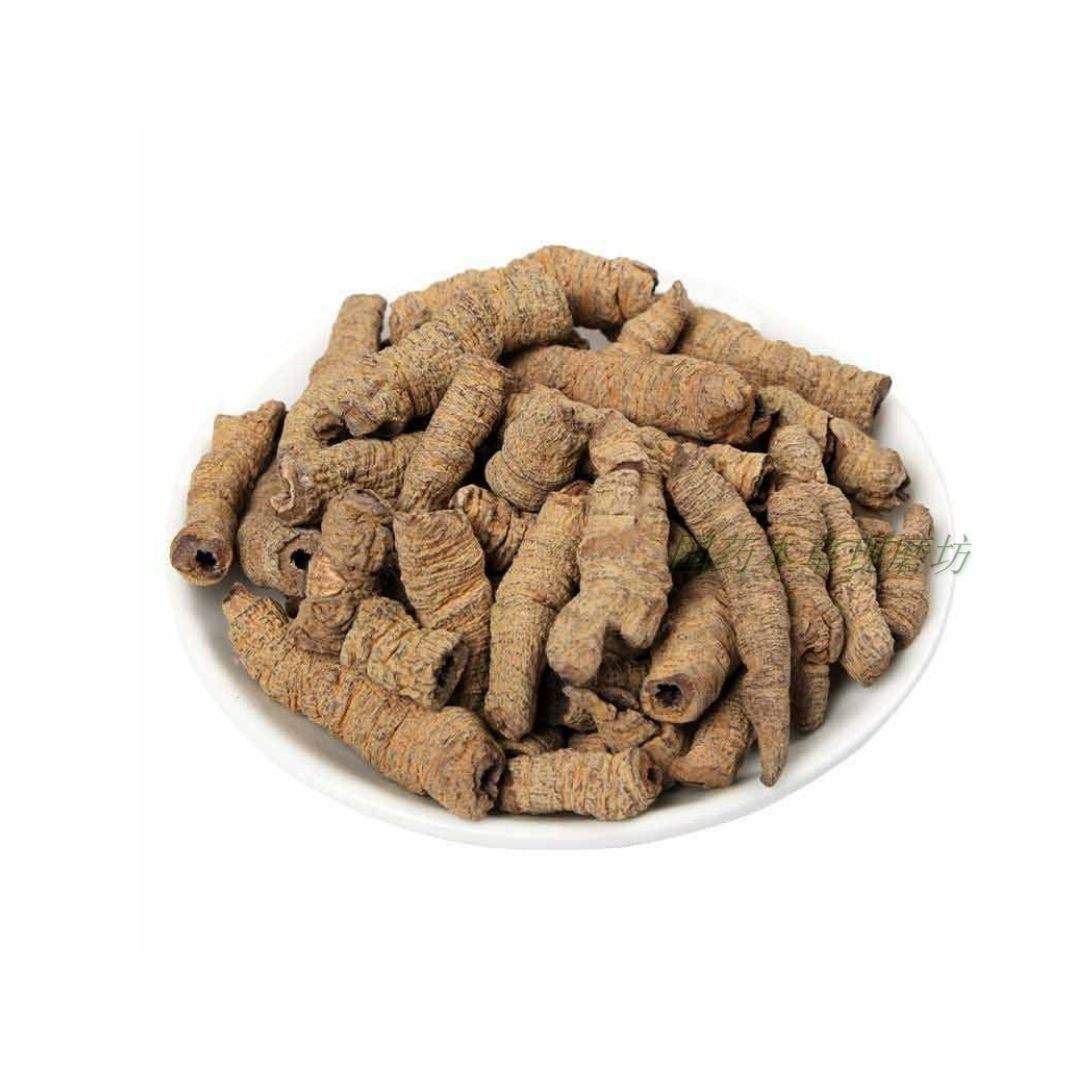


Product Introduction
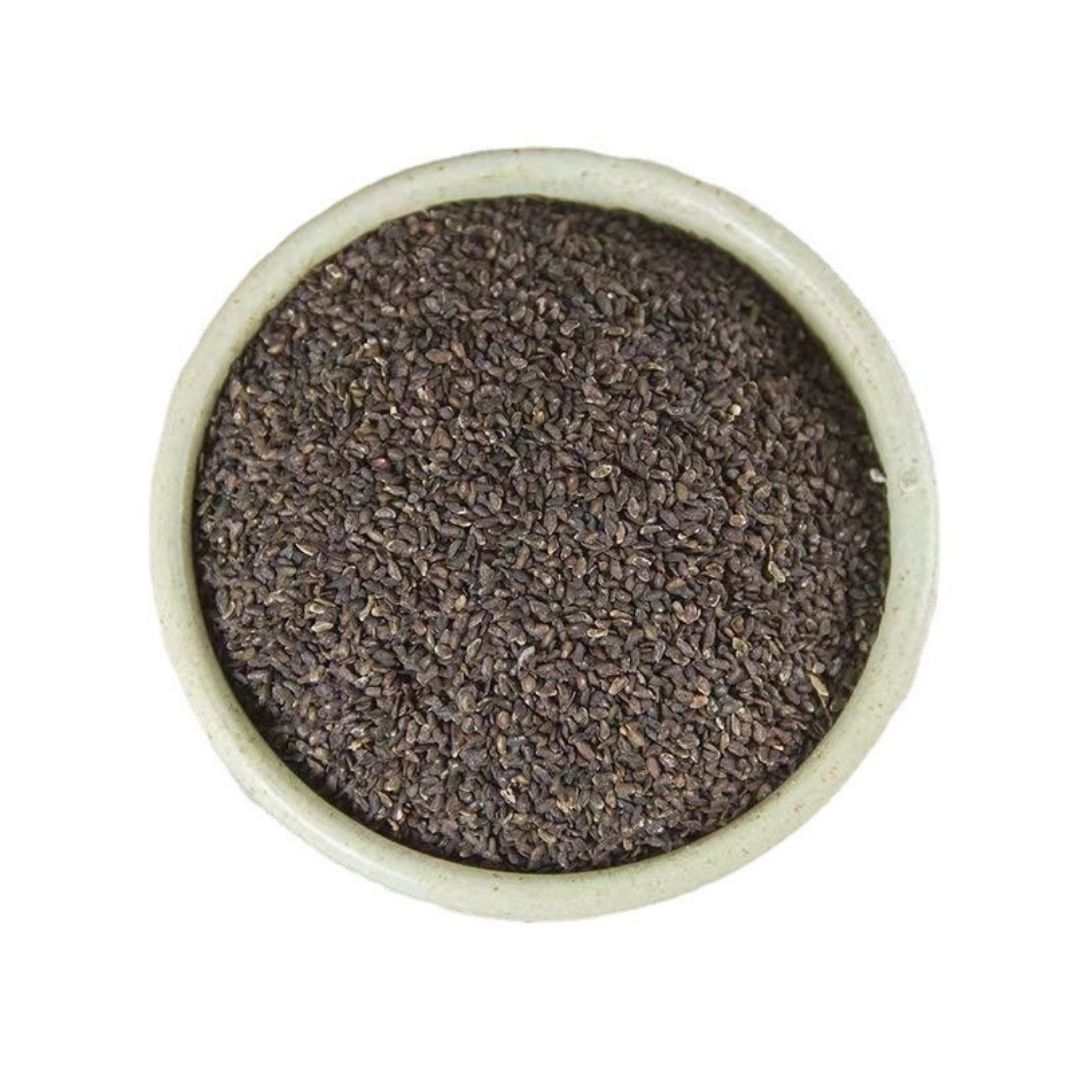
Plantain Seed, derived from Plantago asiatica L. or Plantago depressa Willd., is a commonly used herb in traditional Chinese medicine. It is valued, particularly, for its diuretic properties and its ability to address various health issues related to fluid balance, eye health, and respiratory function, based on traditional use. The seeds are harvested, processed, and then utilized in herbal formulations or as a single-ingredient remedy.
Main Active Ingredients
The primary active components in Plantain Seed include iridoid glycosides like aucubin, polysaccharides, and fatty acids. Aucubin is noted for its anti-inflammatory, hepatoprotective, and diuretic effects, according to research. Polysaccharides contribute to the herb’s immune-modulating and anti-tussive properties, due to their complex structure. The fatty acids present also offer nutritional and therapeutic benefits.
Product Application Scenarios, Usage, and Dosage
Plantain Seed is traditionally applied to treat conditions such as edema, dysuria, and eye disorders characterized by redness and pain, in clinical practice. It is also used to alleviate coughs associated with lung heat, as noted in traditional texts. The typical dosage, when prescribed in a traditional herbal formula, generally ranges from 6 to 15 grams, typically administered in decoction, to maximize efficacy. It is often combined with other herbs to enhance its therapeutic effects and address the root causes of the condition.
Introduction to the Source Plant, Distribution, and Growth Environment
Plantago asiatica L. and Plantago depressa Willd. are the plants from which Plantain Seed is derived, for medicinal use. These plants are widely distributed across Asia, including China, and can be found in various environments, such as roadsides, fields, and waste areas, suggesting adaptability. They thrive in moist, well-drained soils and are considered common weeds in some regions, which influences availability.
Harvesting, Processing, and Storage
The seeds are usually harvested in the summer and autumn when they are ripe. The plants are cut, dried, and then the seeds are threshed, as is typical. After harvesting, they are cleaned to remove impurities. Processing methods may include drying the seeds thoroughly to prevent spoilage and ensure their medicinal properties are preserved. Proper storage involves keeping the seeds in a cool, dry place, away from direct sunlight and moisture.
Citations:
- "Medicinal Plants of China," by James Duke
- "Chinese Herbal Medicine: Materia Medica," by Dan Bensky, Steven Clavey, Erich Stöger, and Andrew Gamble
- "Pharmacognosy," by G.E. Trease and W.C. Evans
Mia Wu

Hi, I’m Mia Wu! I love helping customers discover the best natural ingredients for their products. With a passion for herbs, spices, and fungi, I work to make sure you get only the finest raw materials. Let's grow together! 🌱✨