


Product Introduction
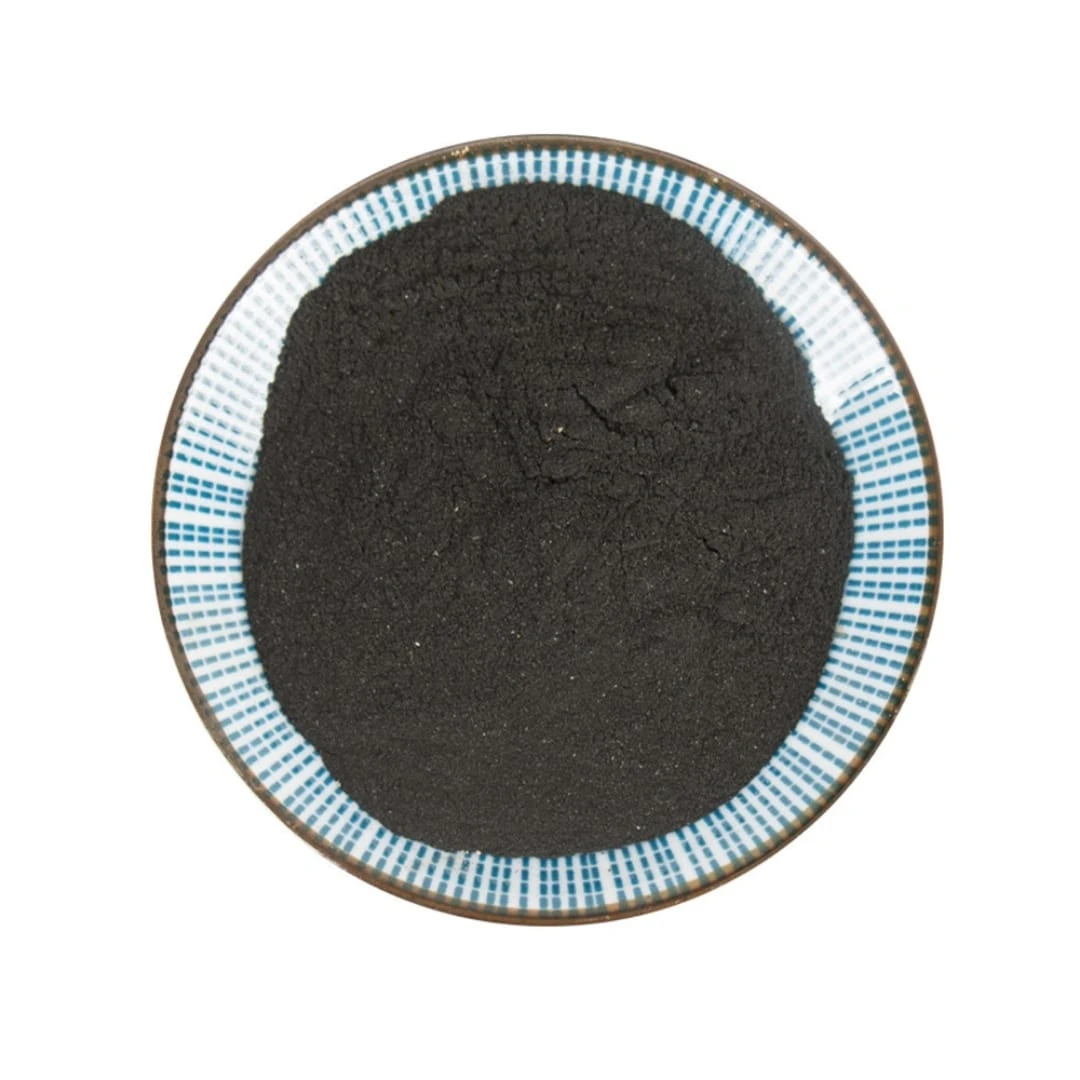
Plant Soot, also known as Bai Cao Shuang, is a traditional Chinese medicine derived from the soot collected from burning various plants. This substance has been used for centuries due to its unique medicinal properties. The production of Plant Soot involves a specific burning process that results in a fine, black powder, which is then carefully collected for medicinal use. It is valued in traditional medicine for its hemostatic, anti-inflammatory, and dermatological applications.
Main Active Ingredients
The primary active ingredients in Plant Soot are carbon and ash. The carbon component contributes to its absorbent and detoxifying properties, while the ash contains various minerals that can aid in healing. The exact composition can vary depending on the plants used in the burning process, but the combination of carbon and minerals is believed to provide its therapeutic effects. [1]
Product Application Scenarios, Usage, and Dosage
Plant Soot is used in several scenarios due to its hemostatic and healing properties. It is commonly applied topically to stop bleeding from minor cuts and wounds. It can also be used to treat eczema and skin ulcers by reducing inflammation and promoting tissue regeneration. In traditional applications, Plant Soot is sometimes administered internally to treat certain types of bleeding disorders. The typical dosage for external use involves applying a thin layer of the powder directly to the affected area. For internal use, the dosage is typically 1.5 to 3 grams, taken with water or other herbal decoctions. [2]
Introduction to the Source Plant, Distribution, and Growth Environment
Plant Soot is not derived from a single plant species but rather from a variety of different plants. These can include stems and leaves of various herbs, shrubs, and trees. The specific plants used often depend on regional availability and traditional practices. The plants are usually grown in diverse environments, ranging from cultivated farmlands to wild, natural habitats. The distribution of these source plants is widespread, as the practice of making Plant Soot is common in many parts of China and other Asian countries where traditional medicine is practiced.
Harvesting, Processing, and Storage
The harvesting and processing of Plant Soot involve several key steps. First, the selected plants are dried and then burned in a controlled environment. The soot produced from this burning process is carefully collected. This soot is then finely ground and sifted to remove any large particles. The resulting powder is Plant Soot, ready for medicinal use. To ensure its potency and prevent degradation, Plant Soot should be stored in a dry, cool place, away from moisture and direct sunlight. Proper storage is crucial to maintain its therapeutic properties over time. [3]
Citations:
[1] Pharmacopoeia of the People's Republic of China. 2015 Edition.
[2] Bensky, D., Clavey, S., Stöger, E., & Gamble, A. (2004). Chinese Herbal Medicine: Materia Medica, 3rd Edition. Seattle, WA: Eastland Press.
[3] Chen, J. K., & Chen, T. T. (2004). Chinese Medical Herbology and Pharmacology. City of Industry, CA: Art of Medicine Press.
Mia Wu

Hi, I’m Mia Wu! I love helping customers discover the best natural ingredients for their products. With a passion for herbs, spices, and fungi, I work to make sure you get only the finest raw materials. Let's grow together! 🌱✨







