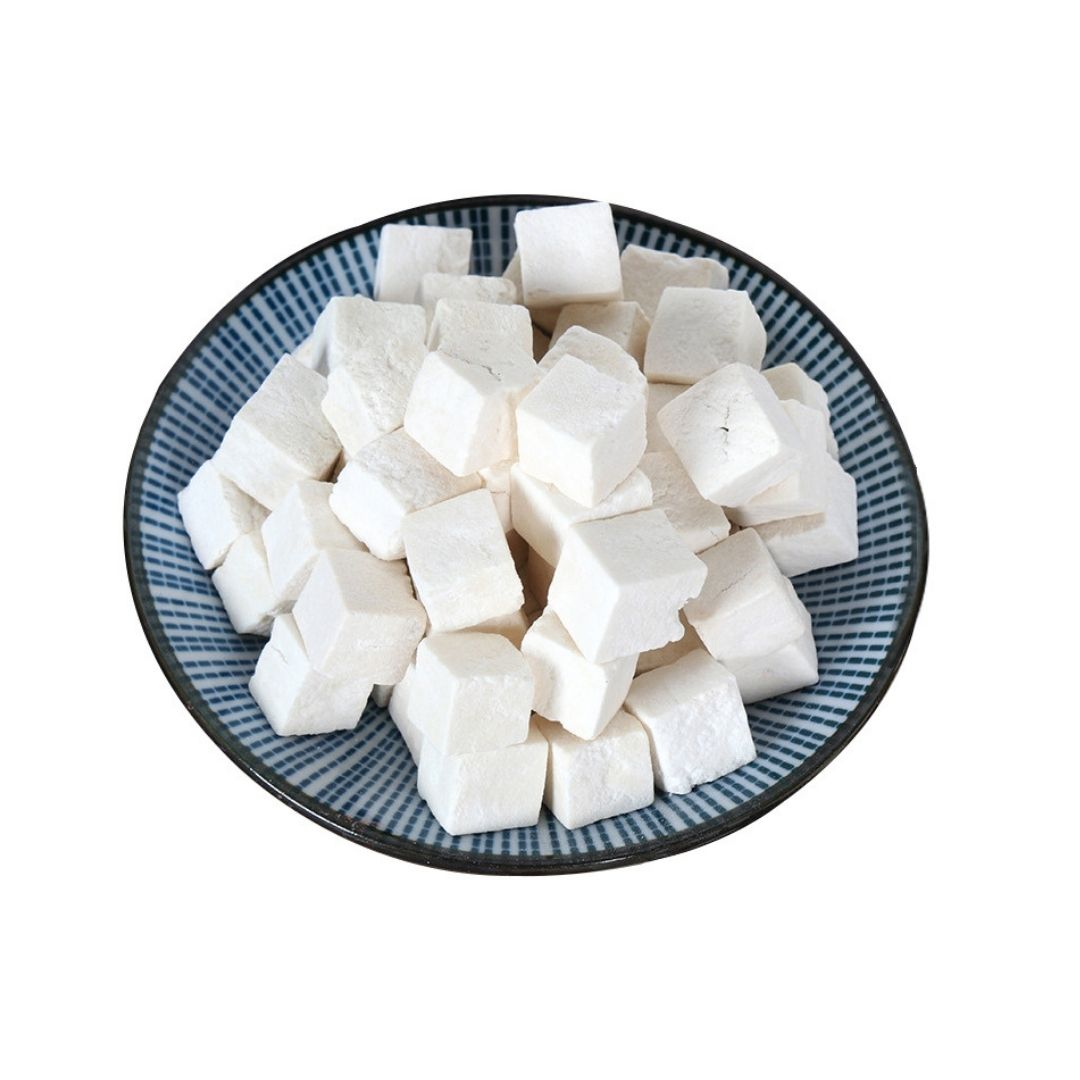
Product Introduction
Pinellia ternata, commonly known as Pinellia, is a widely used herb in traditional Chinese medicine, the medicinal part being its dried tuber. Its therapeutic applications are diverse, primarily focusing on addressing conditions related to dampness, phlegm, and digestive disharmony. The herb's unique properties make it a valuable component in various herbal formulas.
Main Active Ingredients
The efficacy of Pinellia ternata is attributed to its complex biochemical composition. Alkaloids, such as homogentisic acid, are significant contributors to its medicinal effects. It also contains flavonoids and polysaccharides. These compounds work synergistically to produce the herb's therapeutic actions. The specific ratio and concentration of these ingredients can vary based on geographical location and processing methods, influencing its overall potency.
Product Application Scenarios, Usage, and Dosage
In TCM, Pinellia ternata is frequently prescribed for conditions involving phlegm accumulation, such as coughs, chronic bronchitis, and nausea. It's also used to treat digestive issues, including vomiting, acid reflux, and abdominal distension. Standard dosages typically range from 3 to 9 grams per day, usually administered in decoction form. The herb is often processed before use to reduce its toxicity and enhance its medicinal properties; this processing commonly involves soaking the raw herb in ginger juice or other liquids. Dosage modifications are necessary based on individual patient conditions and the specific herbal formula being used, highlighting the importance of consulting with experienced practitioners.
Introduction to the Source Plant, Distribution, and Growth Environment
Pinellia ternata is a perennial herb belonging to the Araceae family. It features a small, round tuber from which the plant regenerates annually. Native to East Asia, it is widely distributed across China, Japan, and Korea. The plant thrives in shaded, damp environments, commonly found in forests, fields, and alongside streams. Optimal growth conditions include well-drained soil and partial sunlight, contributing to the tuber's development and accumulation of medicinal compounds.
Harvesting, Processing, and Storage
Harvesting typically occurs in late summer or early autumn when the tubers are fully mature. The tubers are unearthed, cleaned, and then processed to reduce toxicity and enhance their medicinal properties. Traditional processing methods involve soaking the tubers in solutions like ginger juice or alum water, followed by drying. Proper storage is essential to maintain the herb's quality and prevent degradation; it should be kept in a cool, dry place away from moisture and light, ensuring its efficacy and safety over time.
Citations:
- Chen, J. K., & Chen, T. T. (2004). Chinese Medical Herbology and Pharmacology. City of Industry, CA: Art of Medicine Press.
- Bensky, D., Clavey, S., & Stöger, E. (2015). Chinese Herbal Medicine: Materia Medica. Seattle, WA: Eastland Press.
- Wiseman, N., & Ellis, A. (1996). Fundamentals of Chinese Medicine. Brookline, MA: Paradigm Publications.
Mia Wu

Hi, I’m Mia Wu! I love helping customers discover the best natural ingredients for their products. With a passion for herbs, spices, and fungi, I work to make sure you get only the finest raw materials. Let's grow together! 🌱✨