


Product Introduction
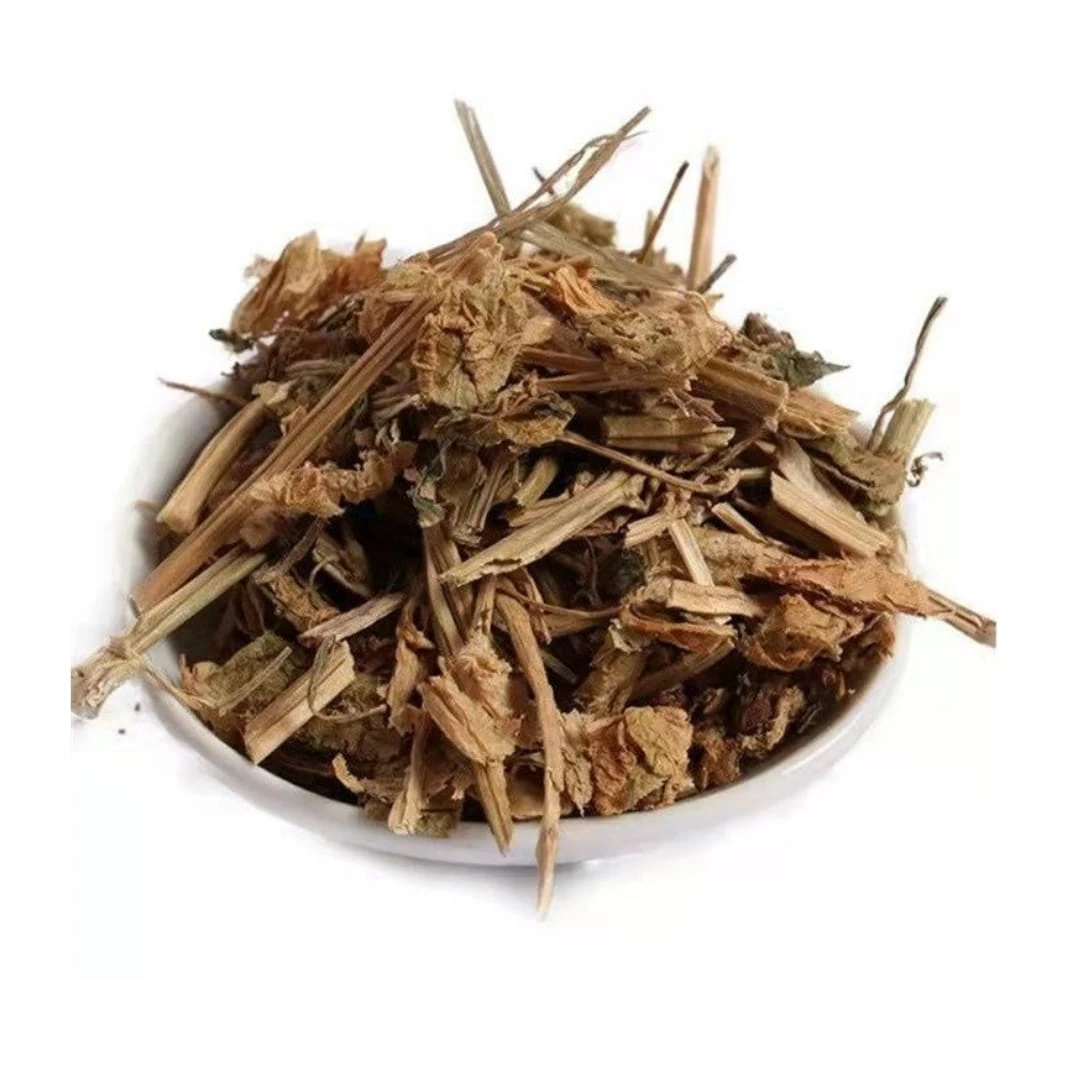
Physalis Alkekengi, derives from the dried calyx of the Physalis alkekengi L. plant, characterized by its inflated, bladder-like structure that encapsulates the fruit. This herb has been used traditionally for its therapeutic properties, particularly in treating respiratory ailments. The unique protective calyx is a key identifier, differentiating it from other herbal products. It is crucial to ensure the herb is sourced from a reputable supplier to guarantee its quality and efficacy.
Main Active Ingredients
The primary active components found in Physalis Alkekengi are physalins, which are a class of steroids, and various flavonoids. Physalins are of particular interest because of their potential anti-inflammatory and immunomodulatory effects. Flavonoids contribute to the herb’s antioxidant properties. Research continues to explore the specific mechanisms of action of these compounds, to provide a deeper understanding of their benefits.
Product Application Scenarios, Usage, and Dosage
Physalis Alkekengi is frequently used to address respiratory conditions, such as coughs, and sore throats. The herb’s properties make it suitable for alleviating inflammation and promoting recovery in the respiratory system. Traditionally, it is administered in decoctions, where the dried calyces are boiled in water to extract their medicinal properties. The typical dosage ranges from 6 to 12 grams per day, but it is important to consult with a healthcare professional, before use, to determine the appropriate dosage based on individual health needs.
Introduction to the Source Plant, Distribution, and Growth Environment
Physalis alkekengi L. is native to regions spanning from Southeastern Europe, to East Asia. The plant thrives in moderately moist, well-drained soils, often found in woodland areas, and along riverbanks. It is a perennial plant, that grows to a height of about 40-60 cm. The plant is recognizable by its bright orange-red lantern-like calyces that appear in late summer. Its adaptability has allowed it to be cultivated in various temperate climates worldwide.
Harvesting, Processing, and Storage
The calyces of Physalis alkekengi are typically harvested, in the late autumn, when they have fully matured and turned bright orange or red. The harvested calyces are then dried, either naturally in the sun or using a mechanical dryer, to reduce their moisture content and prevent spoilage. Proper drying is crucial for preserving the herb’s active compounds. After drying, the calyces should be stored in airtight containers, in a cool, dry, and dark place, to maintain their potency and extend their shelf life.
Citations:
- Lee, S. H., et al. "Physalins: Potential anticancer agents isolated from Physalis species." Integrative Cancer Therapies 10.4 (2011): 291-301.
- Janeczko, A., and J. Muszyńska. "Physalis alkekengi L. (Solanaceae) as a source of biologically active compounds." Journal of Ethnopharmacology 187 (2016): 186-194.
Mia Wu

Hi, I’m Mia Wu! I love helping customers discover the best natural ingredients for their products. With a passion for herbs, spices, and fungi, I work to make sure you get only the finest raw materials. Let's grow together! 🌱✨







