

Product Introduction
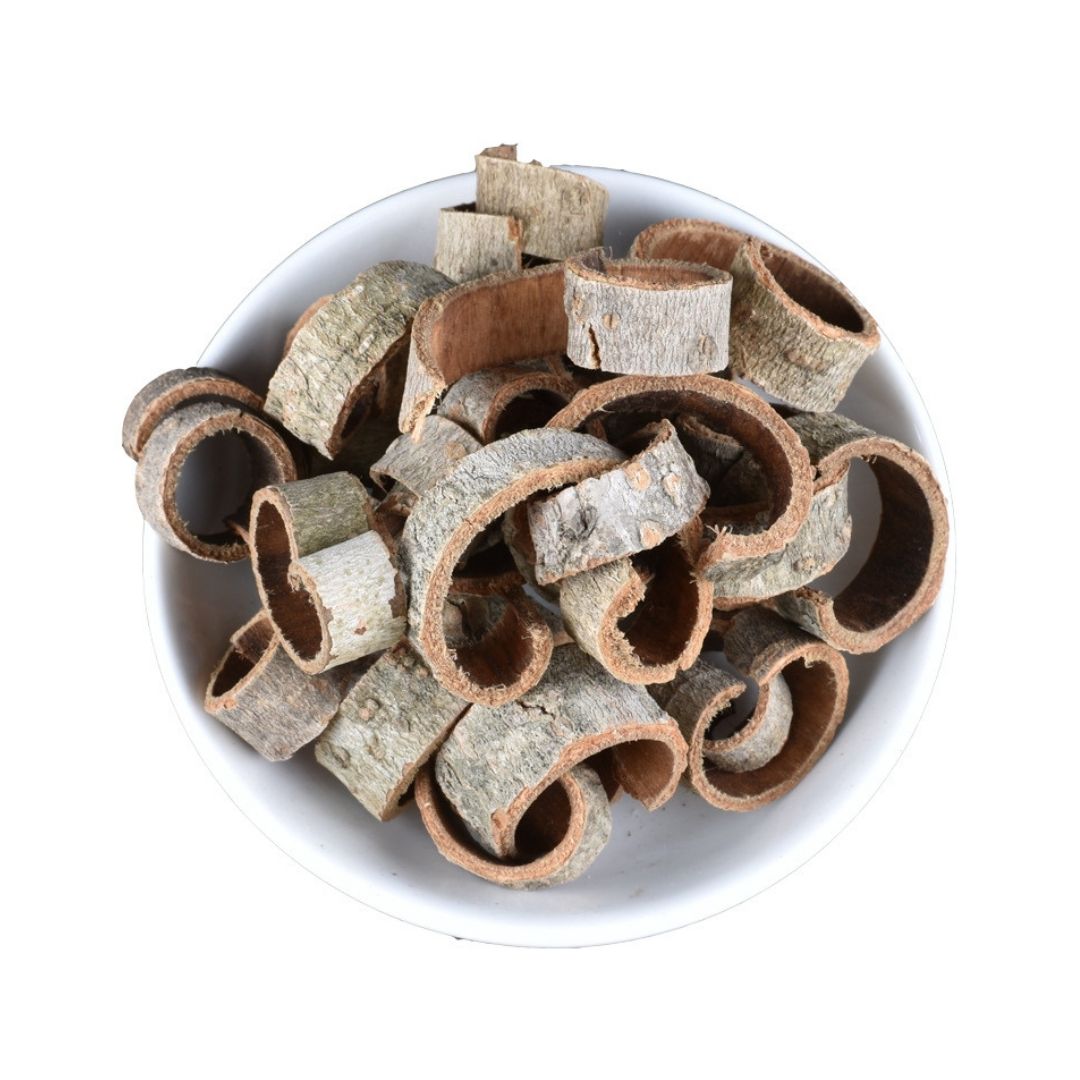
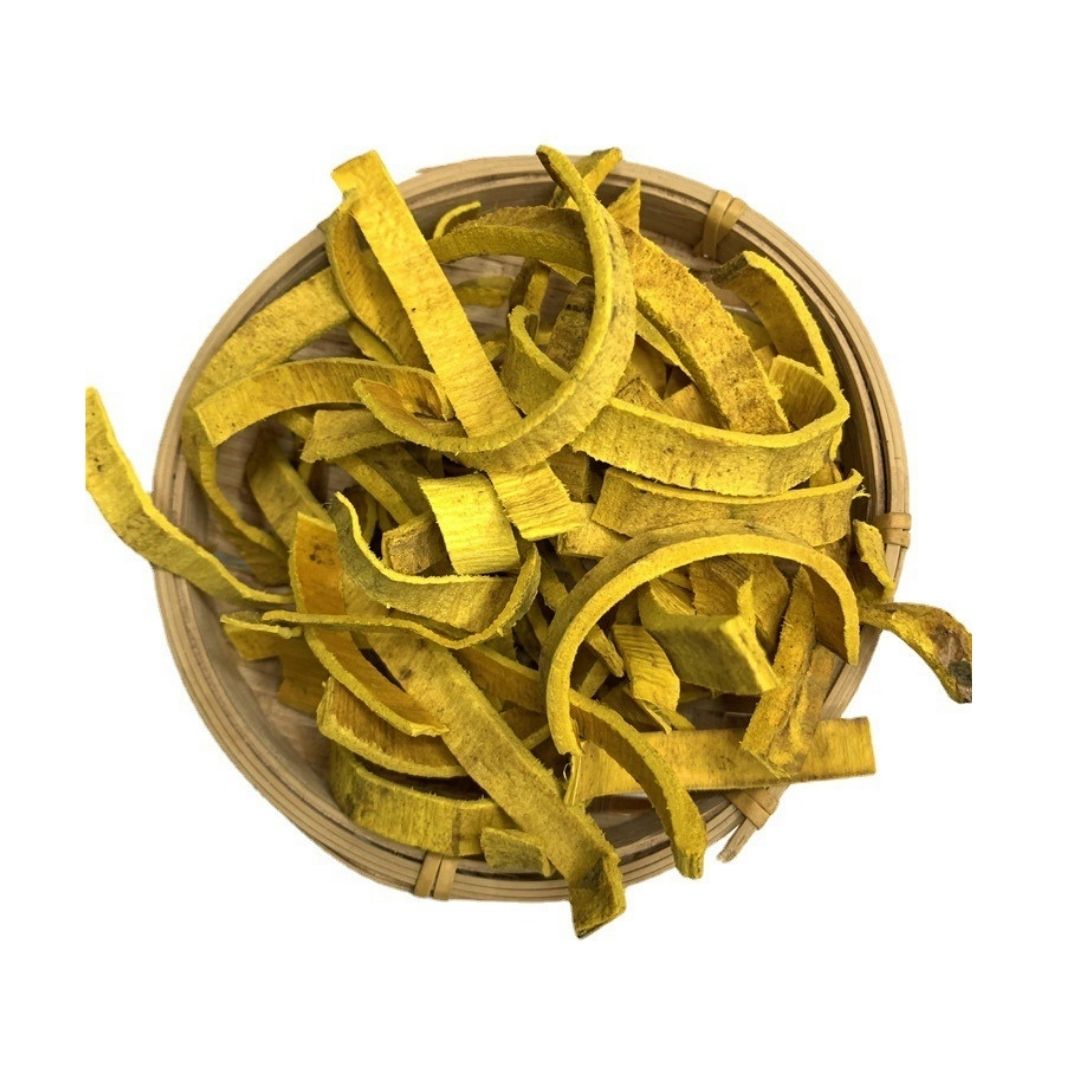
Phellodendri Chinensis Cortex, sourced from Phellodendron chinense Schneid., is a traditional Chinese medicine known for its therapeutic applications, particularly in clearing heat and drying dampness, and it is valued for its bitter taste and cold properties. The herb primarily targets the kidney and bladder channels, influencing their respective functions, making it useful in various clinical scenarios. Its properties and effects are attributed to its unique chemical composition, which provides the foundation for its traditional uses.
Main Active Ingredients
The key active ingredients in Phellodendri Chinensis Cortex include alkaloids such as berberine and palmatine. Berberine is well-known for its anti-inflammatory and antimicrobial properties, contributing to the herb's ability to resolve toxicity. Palmatine, another significant alkaloid, also supports these effects, enhancing the herb's overall therapeutic profile, therefore, the combination of these compounds underlines the herb's efficacy in traditional applications.
Product Application Scenarios, Usage, and Dosage
Phellodendri Chinensis Cortex is often used in traditional Chinese medicine to address conditions involving damp-heat, such as urinary tract infections, eczema, and jaundice, because it has the ability to clear heat and dry dampness. The typical dosage is between 3 to 12 grams, usually administered in decoctions, depending on the specific condition and the patient's individual needs, and furthermore, it can be combined with other herbs to enhance its effects or to address complex health issues.
Introduction to the Source Plant, Distribution, and Growth Environment
Phellodendron chinense Schneid., the source plant of Phellodendri Chinensis Cortex, is a deciduous tree found in various regions of China; specifically, it thrives in mountainous areas with moist, fertile soils, thus, its distribution spans provinces like Sichuan, Hubei, and Yunnan. The tree favors a temperate climate, which supports its growth and development, also, understanding the plant's native environment is essential for sustainable harvesting and quality control with attention paid to environmental conditions.
Harvesting, Processing, and Storage
The bark of Phellodendron chinense Schneid. is typically harvested in the spring or autumn, at that time, the outer bark is removed, and the inner bark is dried in the sun or baked at low temperatures. Proper processing techniques are critical to preserve the herb's active compounds and therapeutic properties, and therefore, the dried bark should be stored in a cool, dry place, away from direct sunlight, to maintain its potency and prevent degradation.
Citations
- Chen, J. K., & Chen, T. T. (2004). Chinese Medical Herbology and Pharmacology. Art of Medicine Press.
- Bensky, D., Gamble, A., & Kaptchuk, T. (1993). Chinese Herbal Medicine: Materia Medica. Eastland Press.
- 中华人民共和国药典委员会. (2020). 中华人民共和国药典 (一部) (Pharmacopoeia of the People's Republic of China (Part I)). 中国医药科技出版社.
Mia Wu

Hi, I’m Mia Wu! I love helping customers discover the best natural ingredients for their products. With a passion for herbs, spices, and fungi, I work to make sure you get only the finest raw materials. Let's grow together! 🌱✨