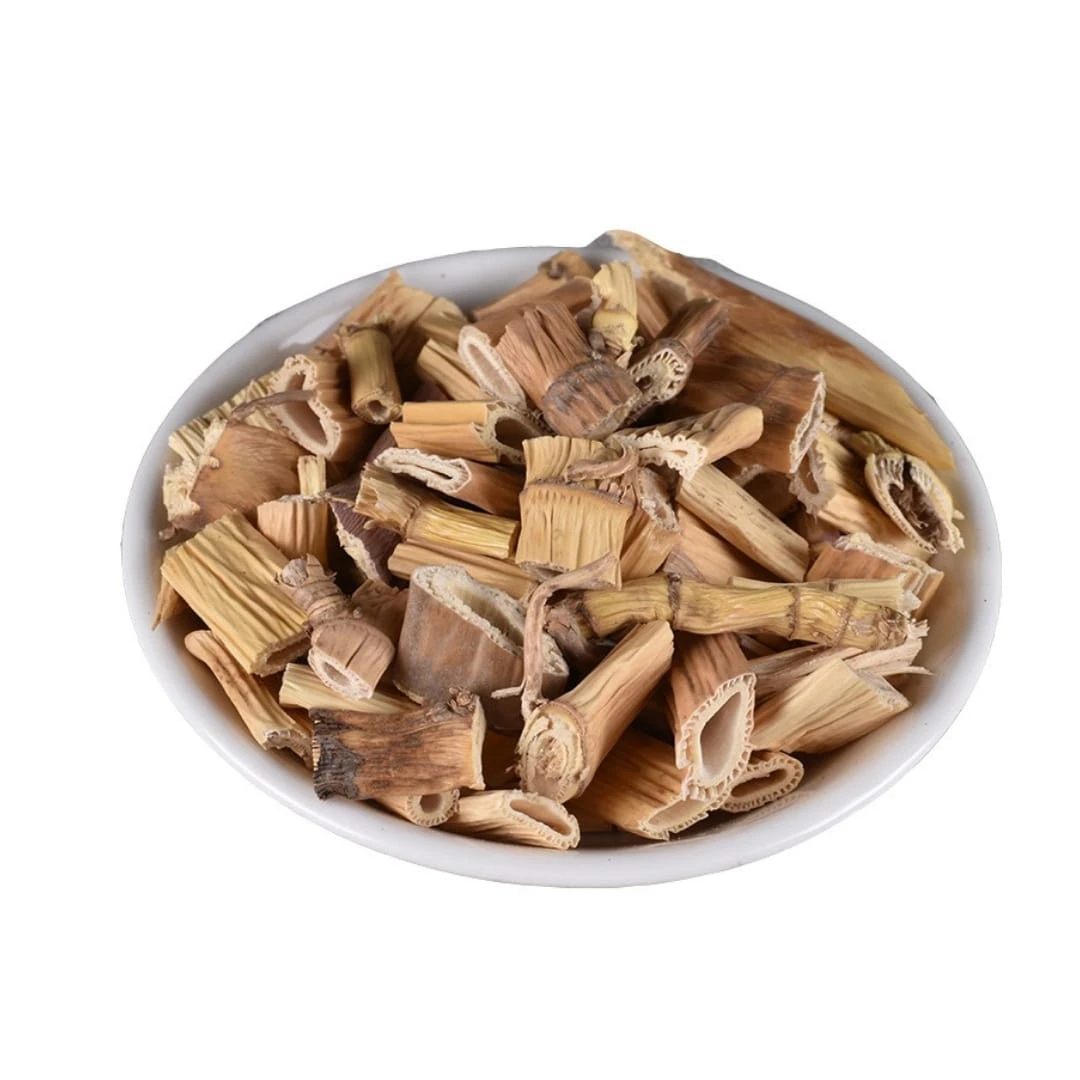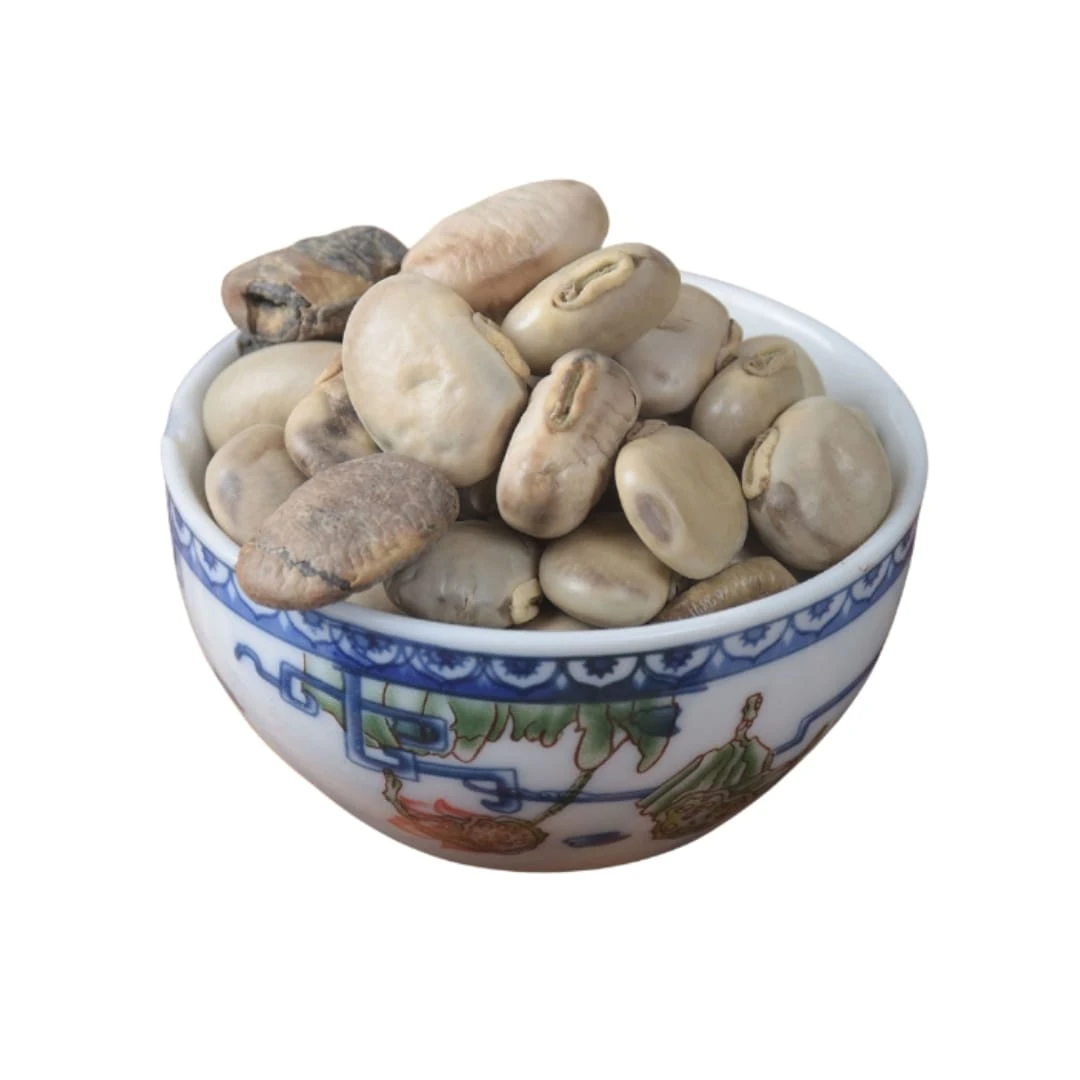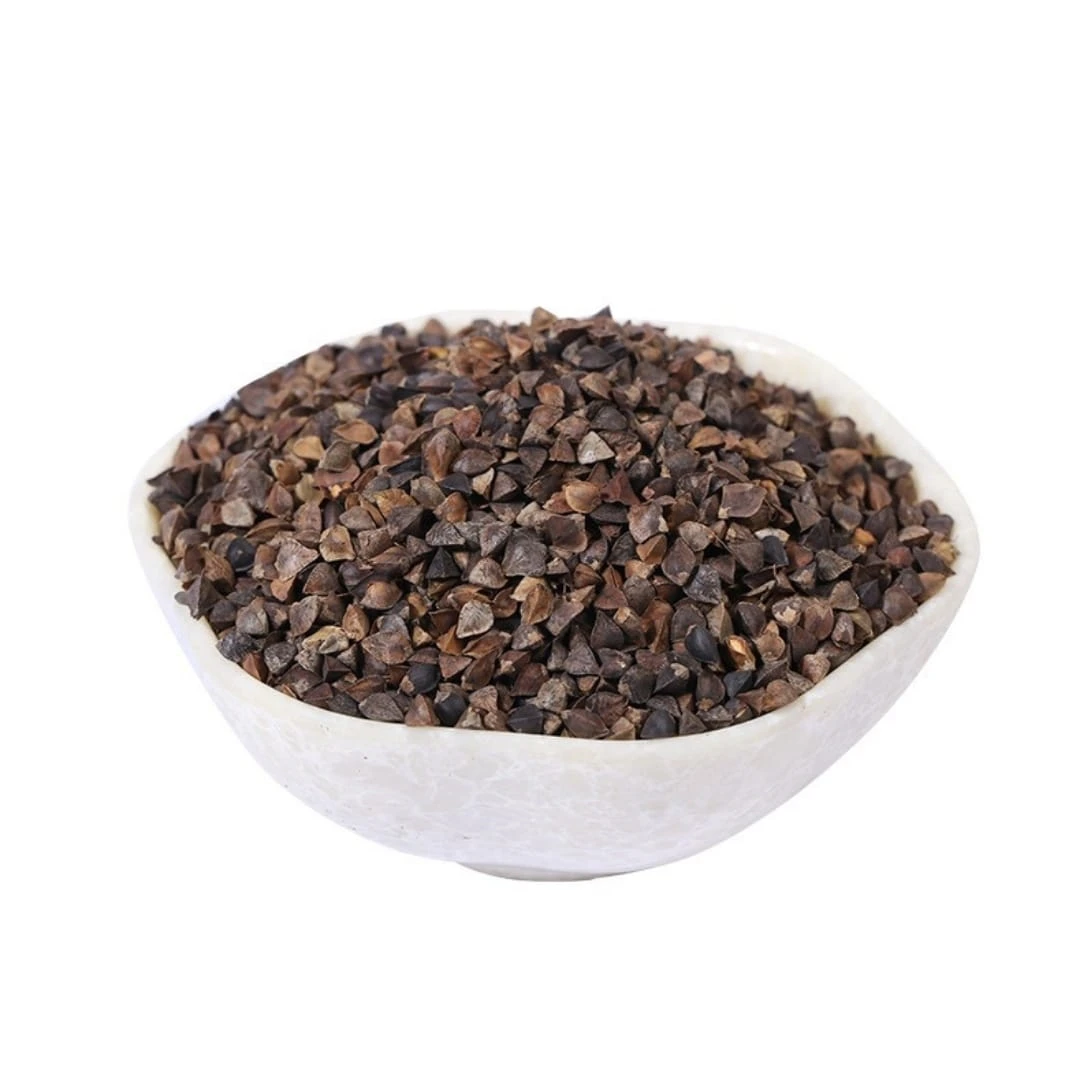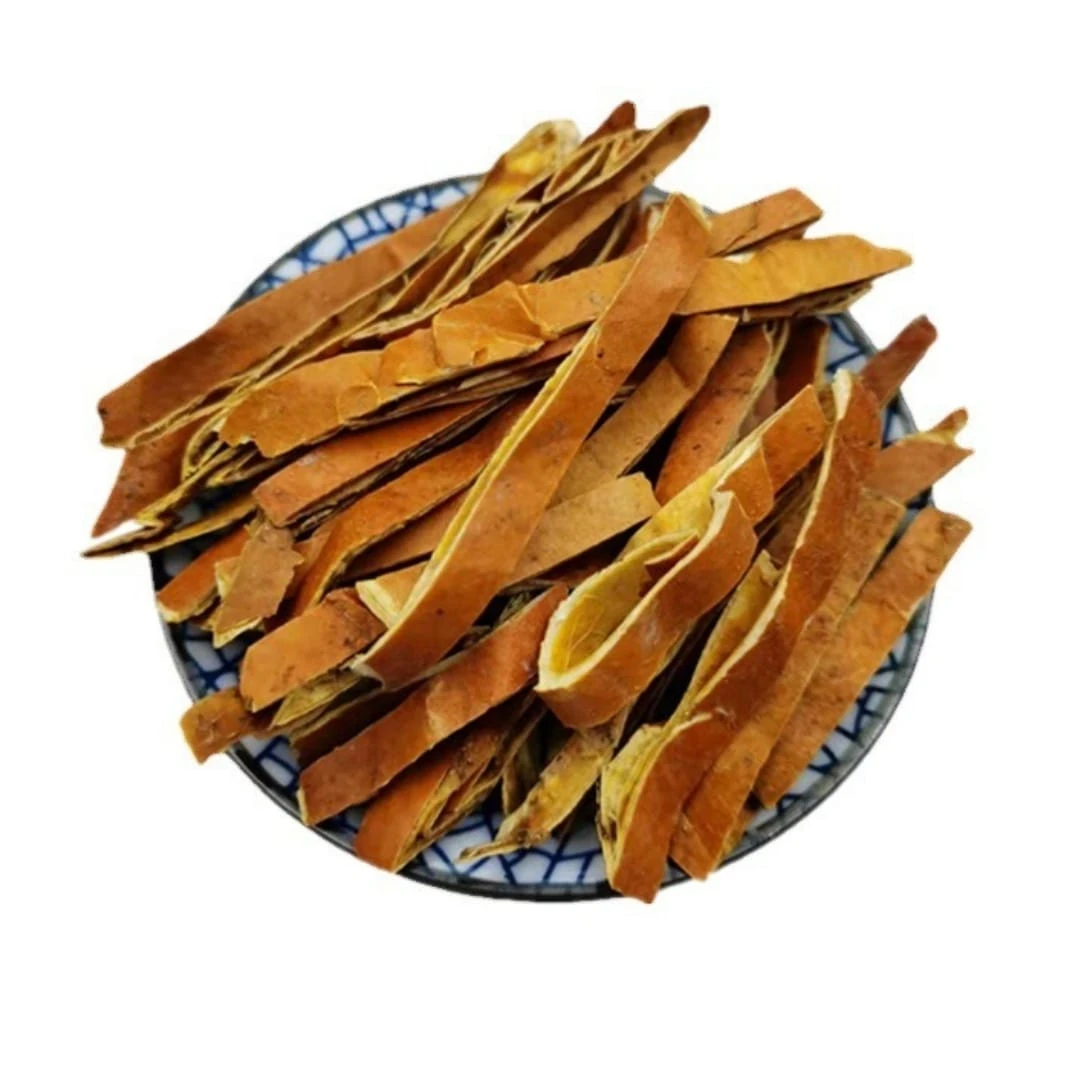


Product Introduction
Pericarpium Trichosanthis, or Gua Lou Pi, is a widely used herb in traditional Chinese medicine. It is valued for its medicinal properties, particularly in addressing respiratory and digestive ailments. The herb is obtained from the dried peel of the mature fruit of specific Trichosanthes species, contributing to its therapeutic effects.
Main Active Ingredients
The therapeutic benefits of Pericarpium Trichosanthis are attributed to its active chemical constituents. Saponins are a major group of compounds present in the herb, known for their expectorant and anti-inflammatory properties. Organic acids contribute to its flavor and potential medicinal effects. Polysaccharides possess immunomodulatory activities, enhancing the body's natural defense mechanisms.
Product Application Scenarios, Usage, and Dosage
Pericarpium Trichosanthis is indicated for various clinical scenarios. It is often prescribed for conditions involving cough with phlegm, chest tightness, and constipation. The herb is used to clear heat and moisten the lungs, aiding in the expulsion of phlegm.
The typical dosage of Pericarpium Trichosanthis is 6 to 12 grams, usually administered in decoction form. It can be used alone or in combination with other herbs to enhance its therapeutic effects. The specific usage and dosage should be determined by a qualified healthcare professional based on individual health conditions.
Introduction to the Source Plant, Distribution, and Growth Environment
Trichosanthes kirilowii Maxim. and Trichosanthes japonica Regel are the primary botanical sources of Pericarpium Trichosanthis. These climbing, herbaceous plants are native to East Asia, including regions of China, Japan, and Korea. They thrive in various environments, such as forest edges, thickets, and along roadsides, preferring moist, well-drained soils and partial shade. The plant's adaptability allows it to grow in diverse geographical locations.
Harvesting, Processing, and Storage
The harvesting of Pericarpium Trichosanthis typically occurs when the fruits are ripe, usually in the fall. The fruits are collected, and the peel is carefully separated from the pulp. The peels are then dried, either naturally under the sun or using artificial drying methods, until they reach a moisture content suitable for storage.
After drying, the Pericarpium Trichosanthis is processed to remove any impurities and sorted by quality. The dried peels are stored in a cool, dry place, protected from light, moisture, and pests, to maintain their medicinal properties and prevent deterioration. Proper storage ensures the herb retains its efficacy over an extended period.
Citations
[1] Chinese Pharmacopoeia Commission. (2020). Pharmacopoeia of the People's Republic of China. China Medical Science and Technology Press.
[2] Bensky, D., Clavey, S., Stöger, E., & Gamble, A. (2004). Chinese Herbal Medicine: Materia Medica. 3rd ed. Seattle, WA: Eastland Press.
[3] Chen, J. K., & Chen, T. T. (2004). Chinese Medical Herbology and Pharmacology. City of Industry, CA: Art of Medicine Press.
Mia Wu

Hi, I’m Mia Wu! I love helping customers discover the best natural ingredients for their products. With a passion for herbs, spices, and fungi, I work to make sure you get only the finest raw materials. Let's grow together! 🌱✨