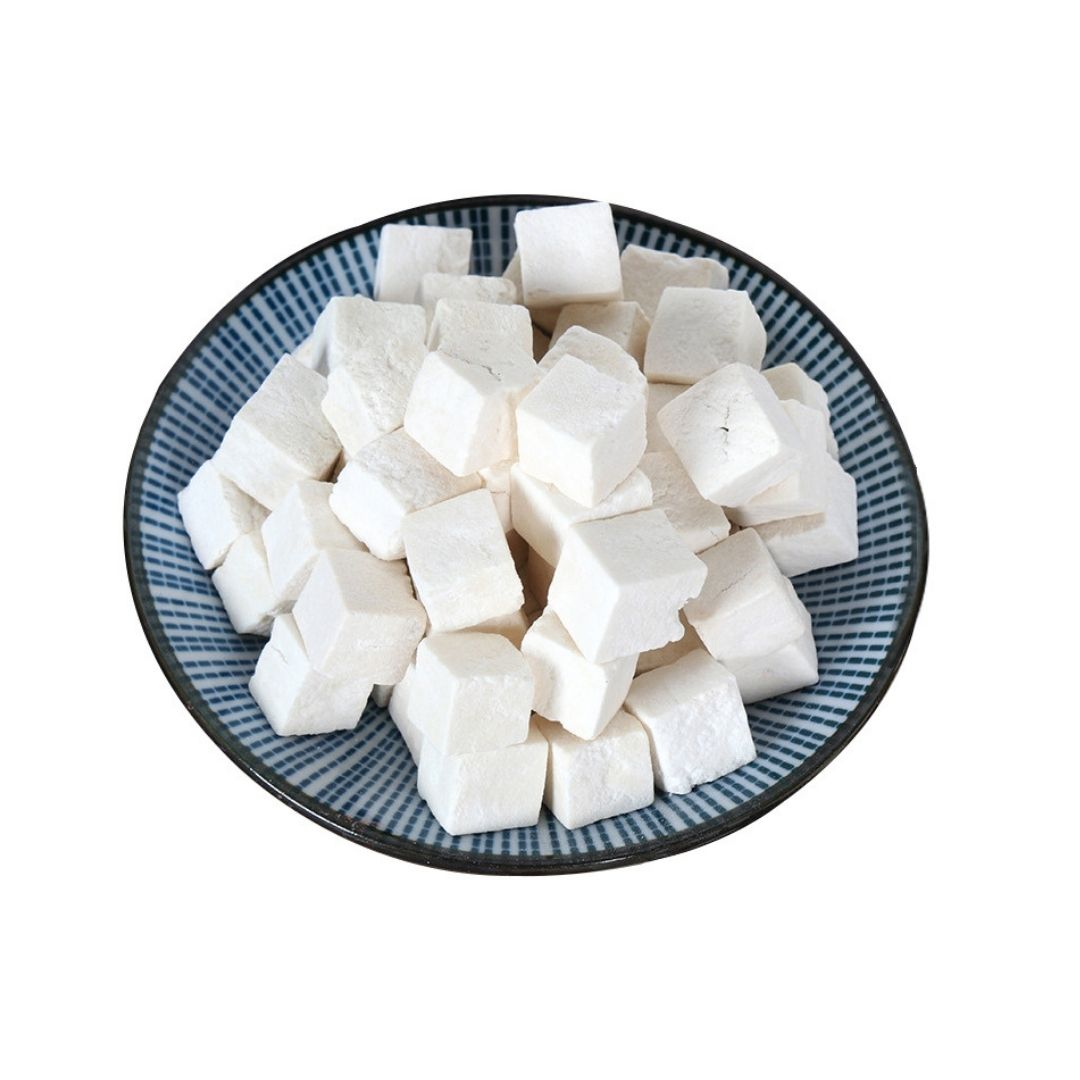


Product Introduction
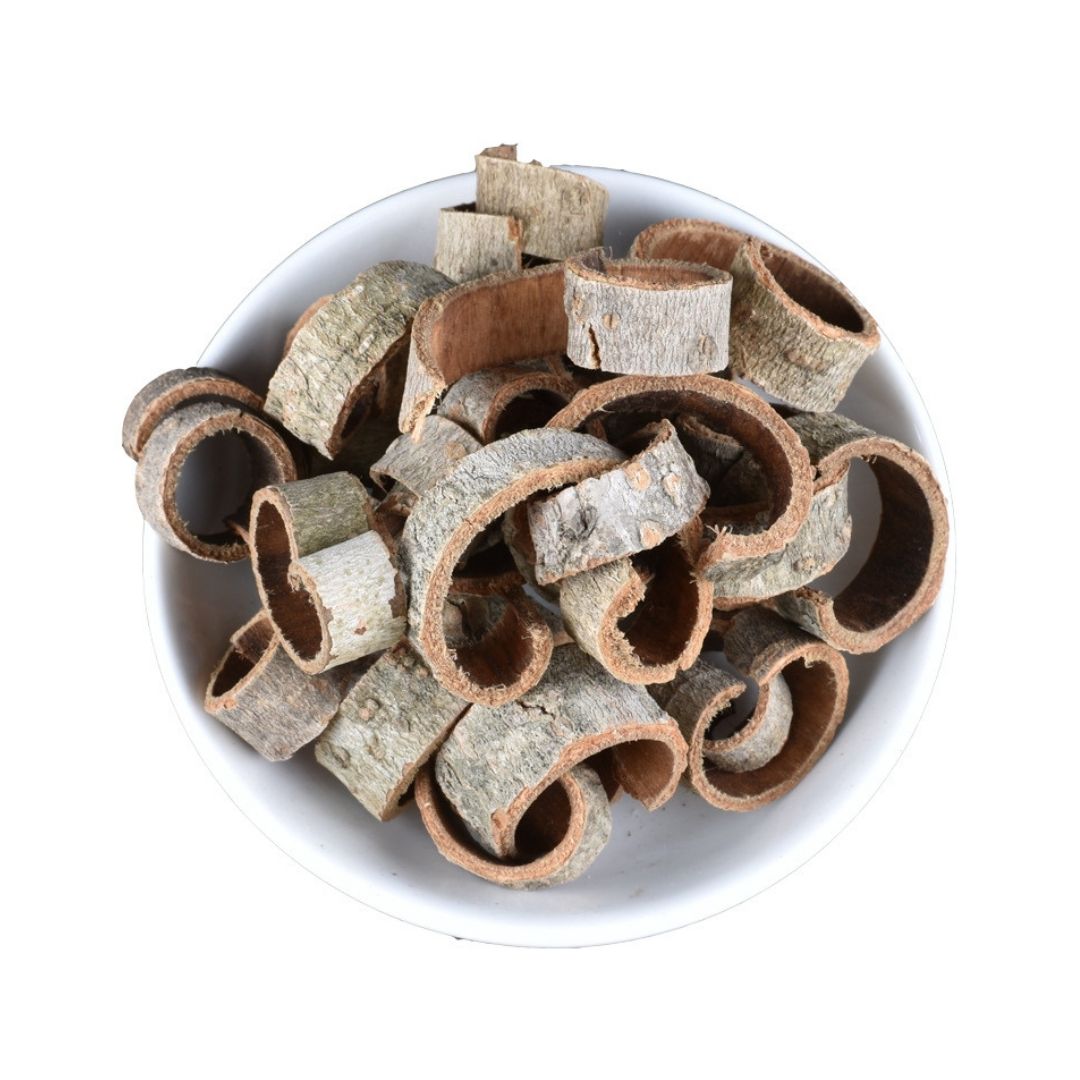
Peony Bark, also known as Mu Dan Pi, is a traditional Chinese medicine derived from the root bark of Paeonia suffruticosa Andrews. It is valued for its therapeutic properties, particularly in clearing heat and invigorating the blood. The herb is characterized by its distinctive appearance, taste, and medicinal effects. Peony Bark is often used in formulations aimed at addressing various health imbalances related to heat and blood stagnation.
Main Active Ingredients
The key active ingredients in Peony Bark include paeonol and paeoniflorin [1]. These compounds contribute to its medicinal properties, such as anti-inflammatory, analgesic, and antioxidant effects [2]. Paeonol, in particular, is known for its ability to reduce fever and inhibit the formation of thrombi. Paeoniflorin has been studied for its potential in modulating the immune system [3]. The synergistic action of these compounds contributes to the overall therapeutic efficacy of Peony Bark.
Product Application Scenarios, Usage, and Dosage
Peony Bark is used in various traditional Chinese medicine (TCM) formulas to address conditions such as fever, pain, and menstrual irregularities [4]. It is often included in formulas designed to clear heat from the blood and promote blood circulation. Commonly used dosages range from 6 to 12 grams per day, typically administered in decoctions. The dosage may vary based on the specific condition being treated and the individual's overall health status. It's important that the use of Peony Bark be prescribed and monitored by a qualified healthcare practitioner.
Introduction to the Source Plant, Distribution, and Growth Environment
Paeonia suffruticosa, the source plant for Peony Bark, is a deciduous shrub native to China. It is widely cultivated for its ornamental flowers and medicinal properties [5]. The plant thrives in well-drained soil and prefers a temperate climate with adequate sunlight. Major cultivation areas include provinces such as Anhui, Henan, and Shandong in China [6]. The plant's roots are typically harvested after several years of growth to ensure optimal medicinal quality.
Harvesting, Processing, and Storage
The harvesting of Peony Bark usually occurs in the autumn. After harvesting, the root bark is separated from the root, cleaned, and dried [7]. The drying process is crucial to preserve the medicinal properties of the herb. The dried bark is then processed into thin slices or pieces for use in herbal formulations. Proper storage is essential to maintain the quality and efficacy of Peony Bark, it should be stored in a cool, dry place, away from direct sunlight and moisture [8].
Citations:
- Zhao, Z., et al. "Chemical constituents of Paeonia species: a review." Journal of Ethnopharmacology 220 (2018): 26-58.
- Zhang, Y., et al. "Paeonol: A review of pharmacological properties and mechanisms of action." European Journal of Pharmacology 833 (2018): 375-384.
- Wang, C., et al. "Paeoniflorin: A comprehensive review of its pharmacology, pharmacokinetics and clinical applications." Chinese Medicine 15 (2020): 1-22.
- Bensky, D., et al. Chinese Herbal Medicine: Materia Medica. 3rd ed. Seattle, WA: Eastland Press, 2004.
- Hong, D. Y. "Paeonia suffruticosa, a national flower of China: History, botany and horticulture." Acta Horticulturae 813 (2009): 21-34.
- Editorial Committee of Chinese Materia Medica. Chinese Materia Medica. Shanghai Science and Technology Press, 1999.
- State Pharmacopoeia Commission. Pharmacopoeia of the People's Republic of China. China Medical Science Press, 2020.
- Chen, J. K., and T. T. Chen. Chinese Medical Herbology and Pharmacology. City of Industry, CA: Art of Medicine Press, 2004.
Mia Wu

Hi, I’m Mia Wu! I love helping customers discover the best natural ingredients for their products. With a passion for herbs, spices, and fungi, I work to make sure you get only the finest raw materials. Let's grow together! 🌱✨