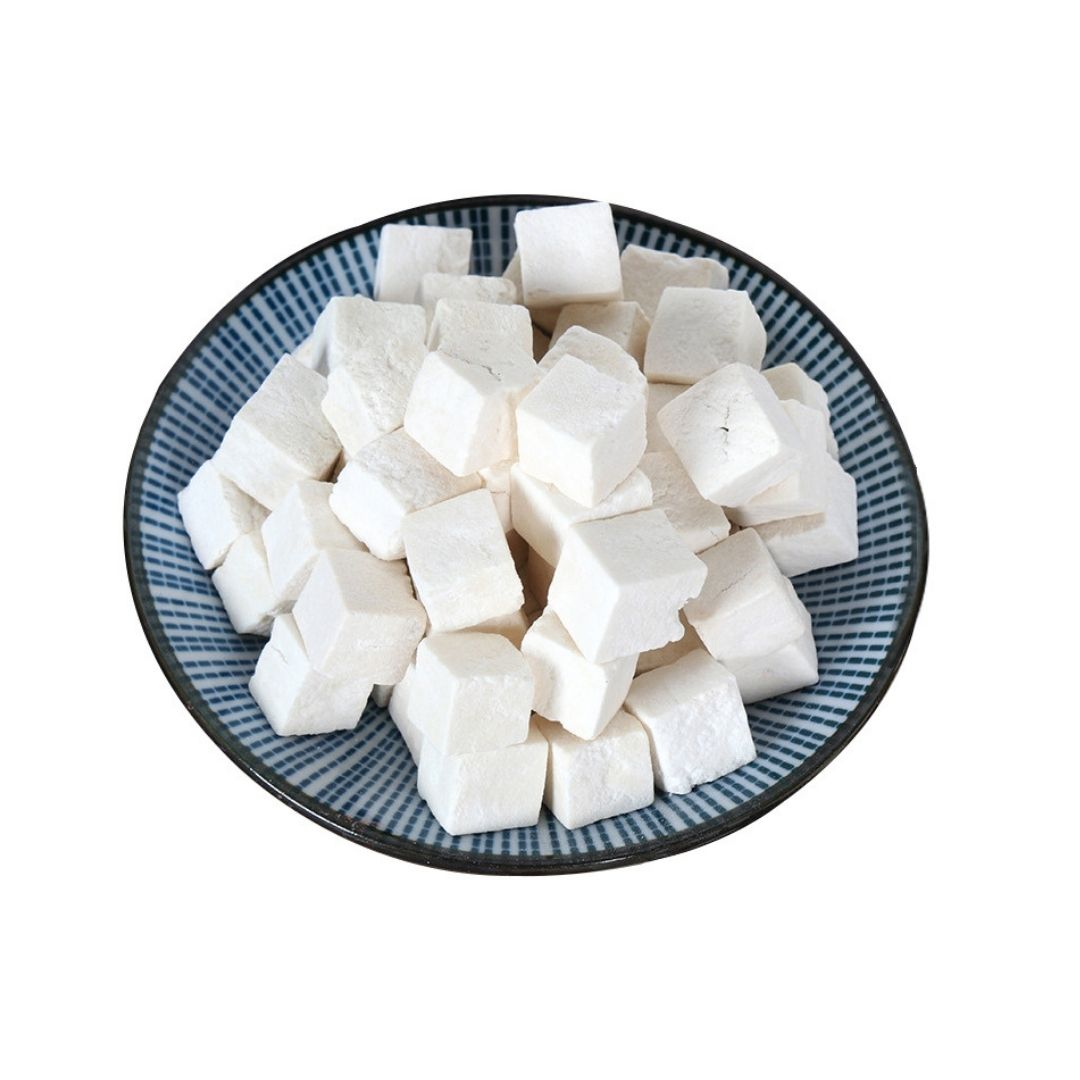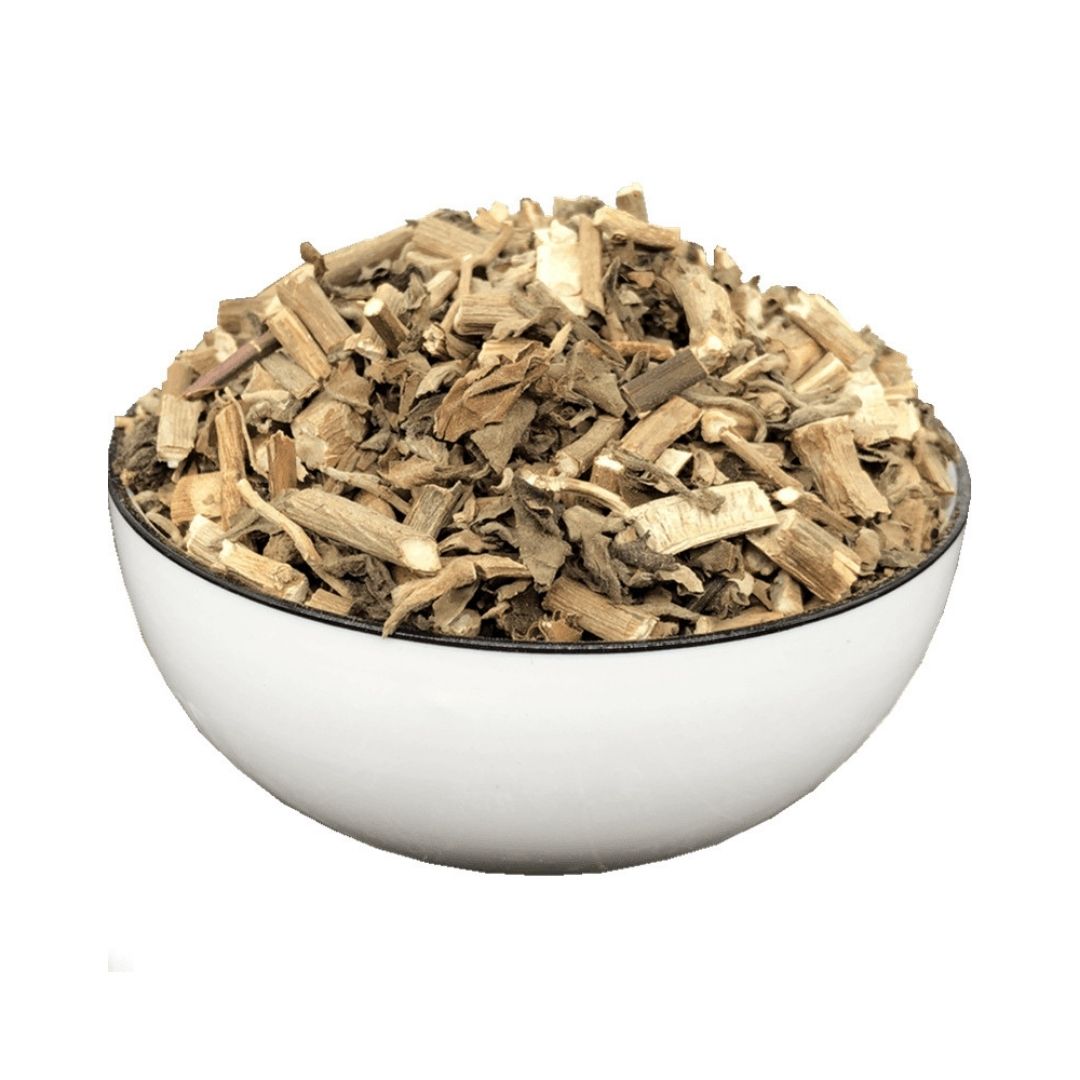


Product Introduction
Patchouli, known in Chinese medicine as Guang Huo Xiang, is derived from the Pogostemon cablin plant. The herb is valued for its distinct aroma and therapeutic properties, making it a significant component in traditional formulations. It is often prescribed to address dampness-related conditions, support digestive health, and alleviate nausea.
Main Active Ingredients
The therapeutic benefits of patchouli are attributed to its complex array of bioactive compounds. Patchouli alcohol is one of the most abundant and well-studied components, contributing to its anti-inflammatory and antimicrobial effects. α-Bulnesene and α-guaiene also play important roles, providing aromatic qualities and contributing to the overall therapeutic profile of the herb.
Product Application Scenarios, Usage, and Dosage
Patchouli is versatile in its applications, commonly used to address conditions exacerbated by dampness, especially during the summer. It can be used to relieve symptoms such as nausea, vomiting, and diarrhea. The typical dosage of patchouli ranges from 3 to 10 grams, usually administered in decoction form. It is often combined with other herbs to enhance efficacy and address specific health conditions.
Introduction to the Source Plant, Distribution, and Growth Environment
Pogostemon cablin, the source plant of patchouli, is a perennial herb that thrives in tropical and subtropical regions. It is cultivated extensively in Southeast Asia, including China, Indonesia, and Malaysia. The plant prefers well-drained soil and a warm, humid climate, typically growing to a height of about one meter.
Harvesting, Processing, and Storage
The aerial parts of the Pogostemon cablin plant are harvested, usually multiple times per year, to yield patchouli. Harvesting typically occurs when the plant is in full bloom, as this is when the aromatic compounds are most concentrated. After harvesting, the plant material is dried, either in the sun or through artificial drying methods, to reduce moisture content and prevent spoilage. Proper storage is critical to maintaining the quality and potency of patchouli; it should be stored in airtight containers, away from direct sunlight and moisture, to preserve its therapeutic properties.
Citations:
- Chen, J. K., & Chen, T. T. (2004). Chinese Medical Herbology and Pharmacology. City of Industry, CA: Art of Medicine Press.
- Bensky, D., Gamble, A., & Kaptchuk, T. (1993). Chinese Herbal Medicine: Materia Medica. Seattle, WA: Eastland Press.
Mia Wu

Hi, I’m Mia Wu! I love helping customers discover the best natural ingredients for their products. With a passion for herbs, spices, and fungi, I work to make sure you get only the finest raw materials. Let's grow together! 🌱✨