
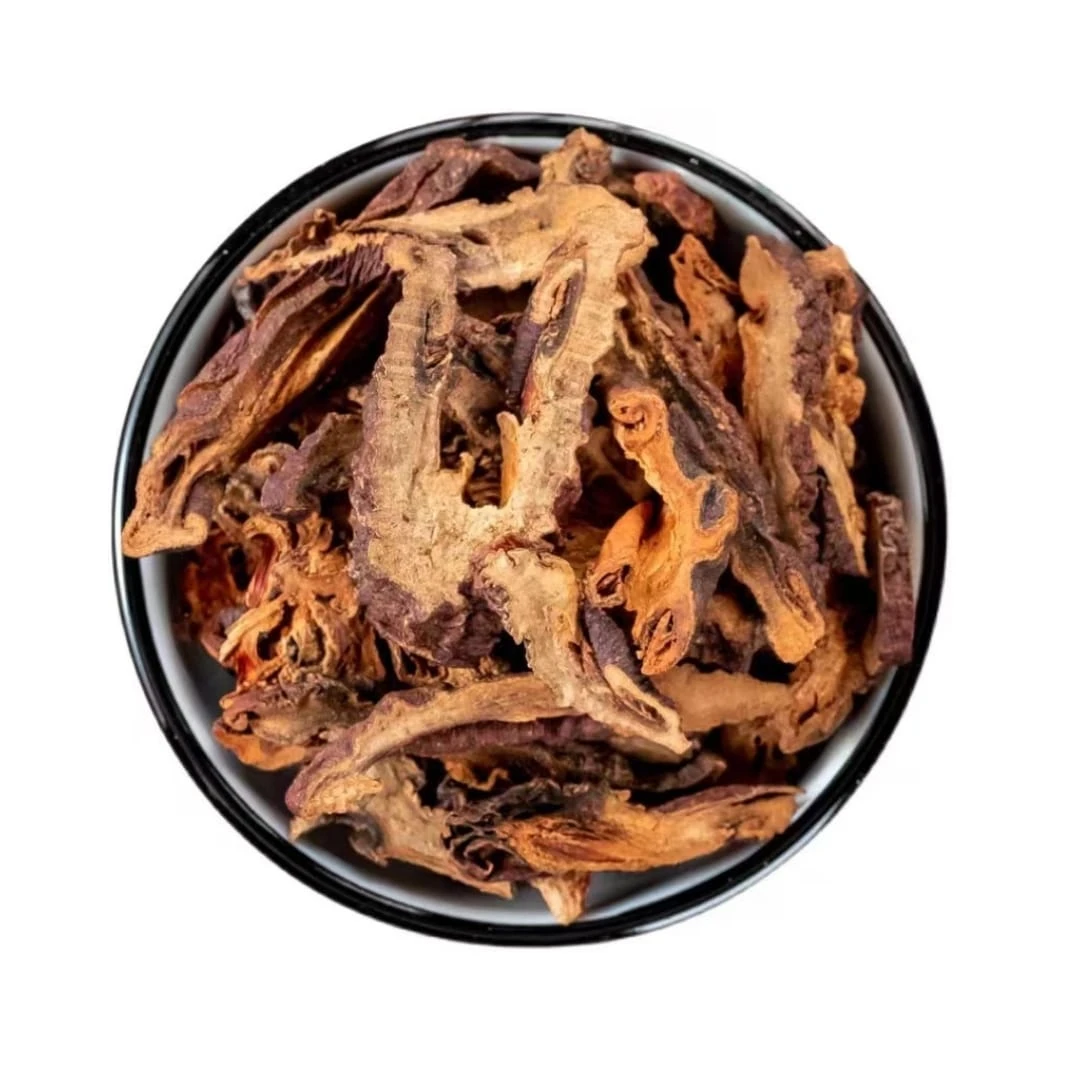


Product Introduction
Papaya, scientifically known as Carica papaya, is a fruit-bearing tree native to tropical regions of the Americas, now cultivated worldwide. The papaya fruit, known for its distinctive sweet taste and vibrant orange color, is not only consumed as a delicious fruit but also utilized, in traditional medicine, for its various health-promoting properties. The plant is valued for both its fruit and its latex, which contains enzymes like papain, used in various applications.
Main Active Ingredients
Papaya is rich in several bioactive compounds, contributing to its health benefits. Papain, a proteolytic enzyme, is one of the most well-known components, aiding in protein digestion. Chymopapain, another enzyme present, complements papain's digestive action. The fruit is also a good source of vitamins, particularly vitamin C and vitamin A, along with minerals like potassium and magnesium. Additionally, papaya contains antioxidants, such as lycopene and beta-carotene, which help combat oxidative stress.
Product Application Scenarios, Usage, and Dosage
Papaya is used in various applications, mainly due to its digestive and anti-inflammatory properties. It is often consumed to alleviate bloating, indigestion, and constipation. It can be eaten fresh, added to smoothies, or incorporated into salads. In traditional medicine, unripe papaya has been used to promote wound healing and as an anthelmintic.
The appropriate dosage varies depending on the specific application and individual health status. For digestive support, consuming one cup of fresh papaya after meals is typically recommended. Papaya supplements, containing papain, are available, and dosages should follow the manufacturer's instructions or a healthcare provider's advice.
Introduction to the Source Plant, Distribution, and Growth Environment
Carica papaya is a fast-growing, short-lived tree, typically reaching heights of 5 to 10 meters. It thrives in tropical and subtropical climates, requiring warm temperatures, ample sunlight, and well-drained soil. The plant is native to southern Mexico and Central America but is now widely cultivated in many countries, including India, Brazil, Indonesia, and Nigeria.
The tree features a single stem with spirally arranged leaves clustered at the top. The fruit develops beneath these leaves, varying in size and shape depending on the cultivar. Papaya plants are typically propagated from seeds, and they can begin to bear fruit within a year of planting.
Harvesting, Processing, and Storage
Papaya fruits are typically harvested when they begin to turn from green to yellow, indicating ripeness. The fruits are carefully picked to avoid bruising, which can accelerate spoilage. After harvesting, papayas are often sorted and graded based on size and quality.
For fresh consumption, papayas are stored at temperatures between 7°C and 13°C to extend their shelf life. In processing, papayas can be dried, canned, or used to extract papain. Papain extraction involves collecting the latex from unripe fruits, which is then dried and processed to isolate the enzyme. Proper storage involves keeping dried papaya and papain extracts in a cool, dry place, protected from light and moisture, to preserve their potency.
Citations
- Chan, Y. K., et al. "Papaya latex: its proteases and medicinal applications." Journal of Medicinal Plants Research 4.25 (2010): 2791-2801.
- Krishna, K. L., et al. "Nutritional and medicinal importance of papaya." Dyer 2 (2008): 7-10.
- মিশ্র, প্রিয়াঙ্কা এবং altri বিষয়. "পাপায়া: একটি পুষ্টি এবং ঔষধের পর্যালোচনা." Food Reviews International 36.6 (2020): 513-537.
Mia Wu

Hi, I’m Mia Wu! I love helping customers discover the best natural ingredients for their products. With a passion for herbs, spices, and fungi, I work to make sure you get only the finest raw materials. Let's grow together! 🌱✨







