
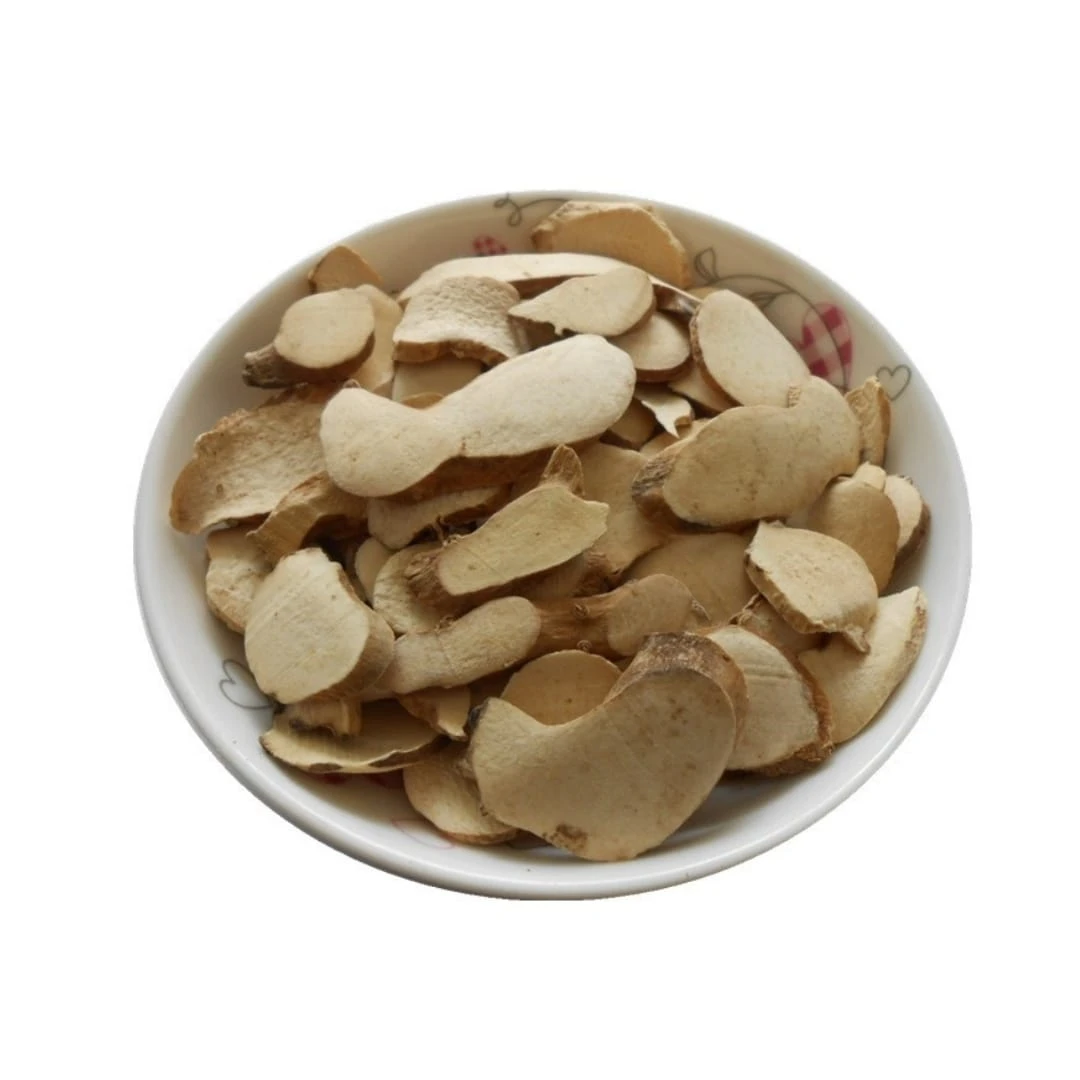


Product Introduction
Pangolin scales, known as 穿山甲 (Chuan Shan Jia) in Chinese, have a long history of use in traditional Chinese medicine. The scales come from pangolins, unique mammals characterized by their overlapping, protective scales. In traditional applications, these scales are believed to possess properties that address various health concerns.
Main Active Ingredients
The primary components of pangolin scales include keratin, which is a fibrous structural protein also found in human hair and nails. Additionally, the scales contain various amino acids and trace elements that may contribute to their claimed therapeutic effects. However, comprehensive research on the specific active ingredients and their mechanisms of action is still limited.
Product Application Scenarios, Usage, and Dosage
In traditional Chinese medicine, pangolin scales are typically used, after processing, to promote blood circulation, remove blood stasis, and dredge meridians. They are often prescribed for conditions such as arthritis, amenorrhea, and skin disorders. The scales may also be used to promote lactation in postpartum women. The typical dosage is around 3-9 grams, usually taken in decoction form or as powdered preparations. It's important to note that usage should always be under the guidance of a qualified TCM practitioner.
Introduction to the Source Plant, Distribution, and Growth Environment
Pangolins are found in various parts of Asia and Africa. They inhabit tropical and subtropical forests and grasslands. These animals are nocturnal and primarily feed on ants and termites, playing a crucial role in insect control. Due to habitat loss and poaching, pangolin populations have drastically declined, and they are now considered one of the most trafficked mammals in the world.
Harvesting, Processing, and Storage
Traditionally, pangolin scales were harvested from wild pangolins. However, due to the animal's endangered status, the use of pangolin scales has become highly regulated and, in many places, illegal. If legally obtained, the scales are typically processed by cleaning, boiling, and then drying or roasting them. They should be stored in a cool, dry place to prevent spoilage and maintain their quality. The ethics and sustainability surrounding the use of pangolin scales are significant concerns.
Citations
[1] Li, P., et al. "Chemical composition and biological activity of pangolin scales: A review." Journal of Ethnopharmacology, vol. 258, 2020, p. 112875.
[2] Smith, R. "The conservation status of pangolins." Mammal Review, vol. 48, no. 4, 2018, pp. 259-273.
Mia Wu

Hi, I’m Mia Wu! I love helping customers discover the best natural ingredients for their products. With a passion for herbs, spices, and fungi, I work to make sure you get only the finest raw materials. Let's grow together! 🌱✨







