
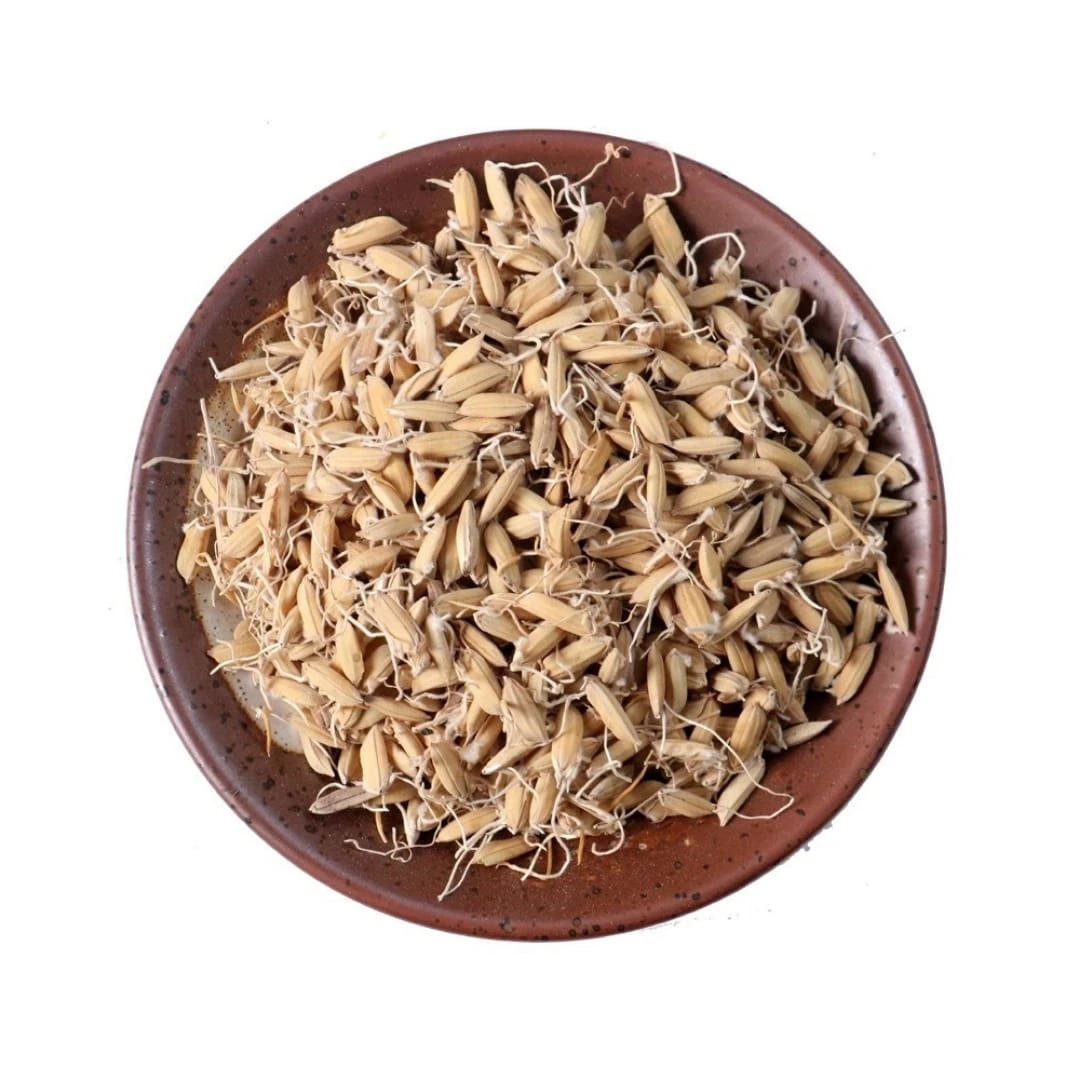


Product Introduction
Oryzae Fructus Germinatus, also known as Daoya, comes from germinated rice grains. It is created by inducing rice grains to sprout, which changes their biochemical composition and makes them more digestible and nutritious. This germination process increases the levels of certain enzymes and nutrients, enhancing its therapeutic properties [1].
Main Active Ingredients
The main active ingredients in Oryzae Fructus Germinatus include various enzymes such as amylase and lipase, which aid in digestion by breaking down complex carbohydrates and fats. It also contains vitamins, particularly B vitamins, and amino acids that contribute to its nutritional value and health benefits. These components work synergistically to support digestive health and overall well-being [2].
Product Application Scenarios, Usage, and Dosage
In traditional Chinese medicine (TCM), Oryzae Fructus Germinatus is primarily used to improve digestion and strengthen the spleen. It is often prescribed for conditions such as food stagnation, poor appetite, and indigestion, especially in children and the elderly. Additionally, it is used to promote lactation in nursing mothers by improving the digestive function and nutrient absorption. The typical dosage ranges from 9 to 15 grams, usually taken in decoction form [3].
Introduction to the Source Plant, Distribution, and Growth Environment
Oryza sativa L., the source plant for Oryzae Fructus Germinatus, is commonly known as rice. It is a staple food crop cultivated worldwide, particularly in Asia. Rice thrives in warm, humid climates with sufficient water supply, typically grown in paddy fields. The plant requires fertile soil and careful management to produce high yields [4].
Harvesting, Processing, and Storage
The process of creating Oryzae Fructus Germinatus begins with selecting high-quality rice grains. These grains are then soaked in water under controlled conditions to initiate germination. Once the sprouts reach a certain length, the germination process is halted by drying the grains. The dried Oryzae Fructus Germinatus is then ready for use in herbal preparations. It should be stored in a cool, dry place to maintain its potency and prevent spoilage [5].
Citations:
[1] Lu T, Zhang Y, Wang D. Amylase from sprouted rice: Production, extraction and application. Food Sci Technol. 2021 ;41(sp2):310-318.
[2] Kim HY, Kim YH, Kim SY, et al. Screening of Korean traditional medicinal plants for anti-angiogenic activities. J Ethnopharmacol. 2007;114(1):23-32.
[3] Chinese Pharmacopoeia Commission. Pharmacopoeia of the People's Republic of China. China Medical Science Press; 2020.
[4] Khush GS. What it will take to feed 5.0 billion rice consumers in 2030. Plant Mol Biol. 2005 Jul;59(1):1-6.
[5] Yaqoob S, Muhammad I, Gani A, et al. Sprouted Grains Nutritional and Biofunctional Implications. Springer, Cham. 2022; 187-212.
Mia Wu

Hi, I’m Mia Wu! I love helping customers discover the best natural ingredients for their products. With a passion for herbs, spices, and fungi, I work to make sure you get only the finest raw materials. Let's grow together! 🌱✨







