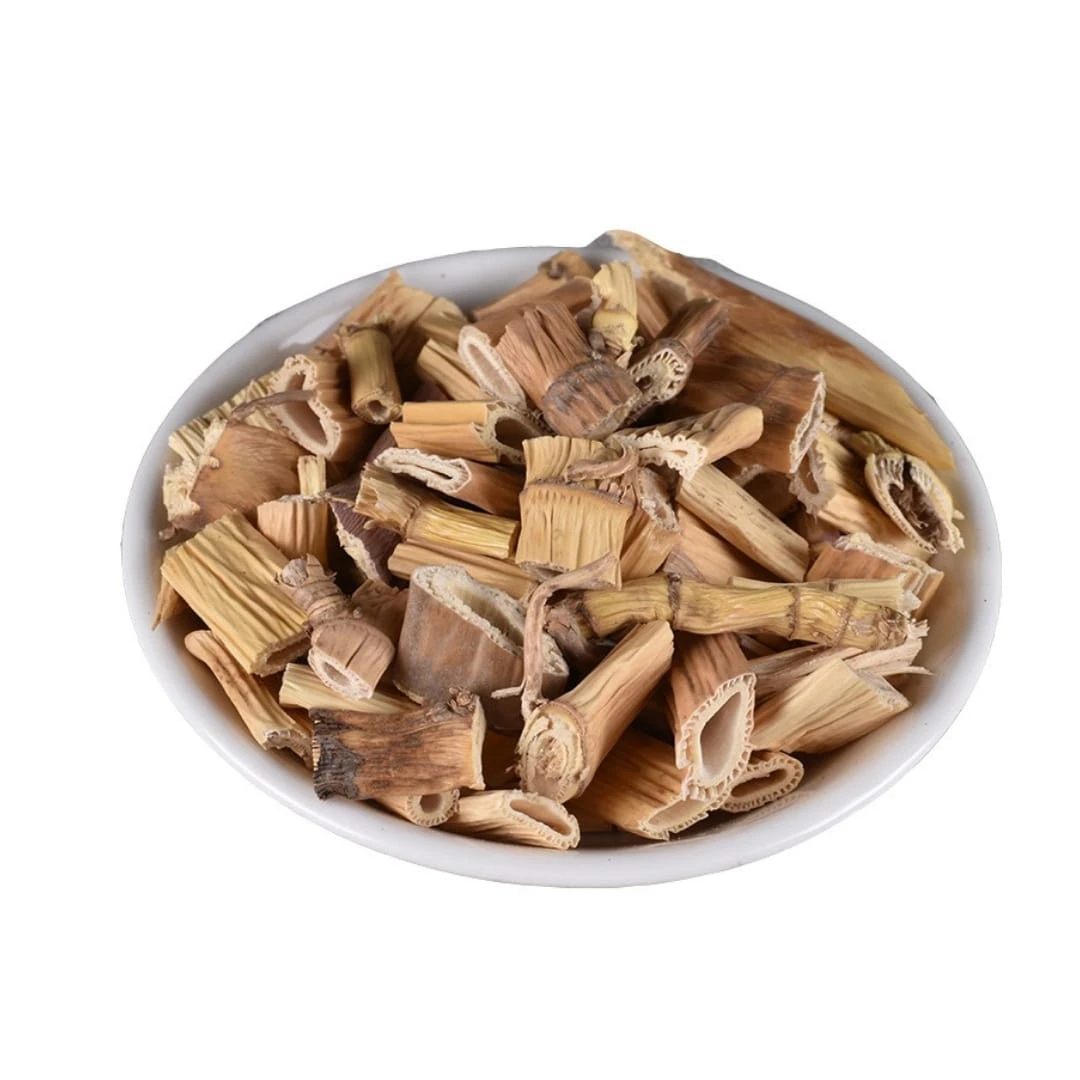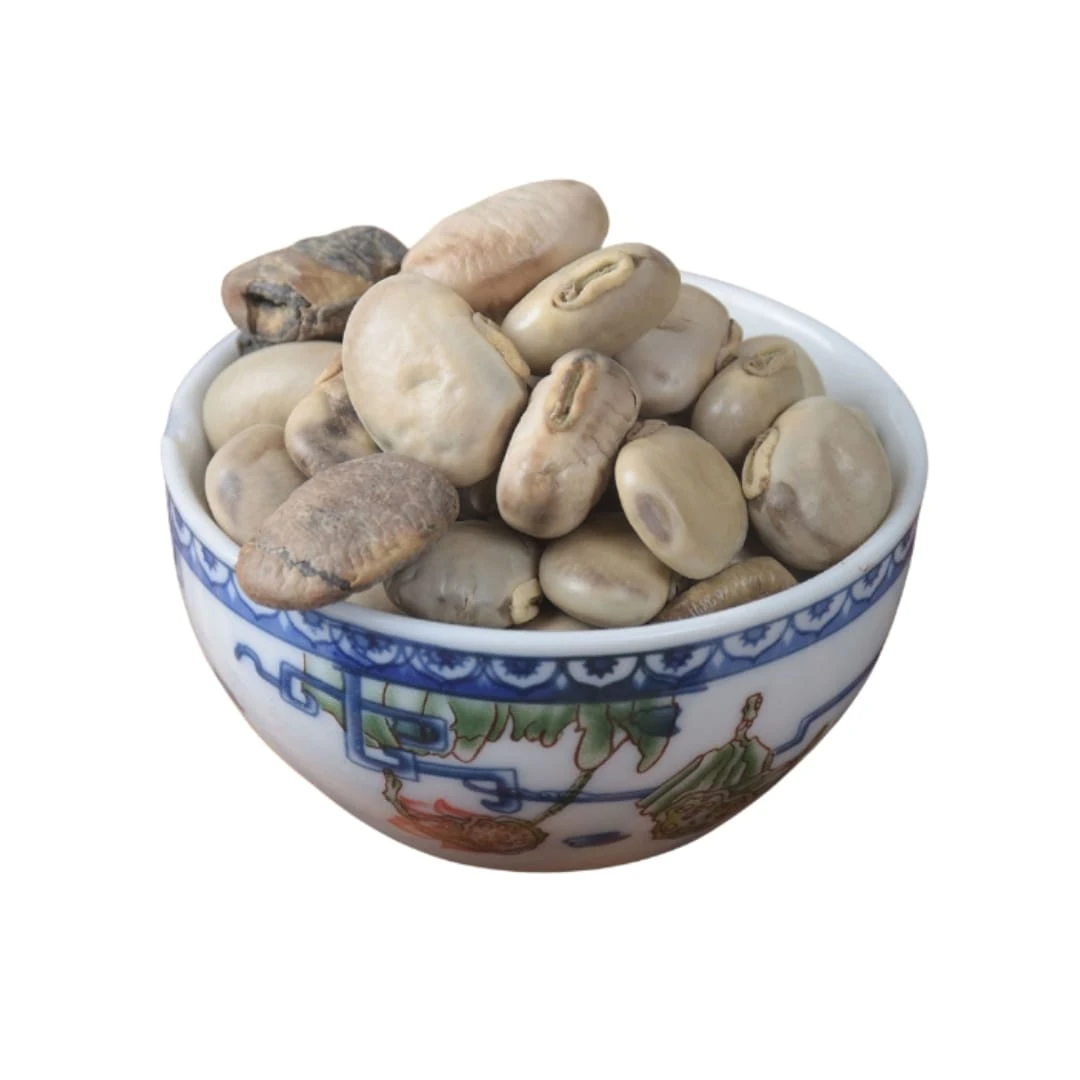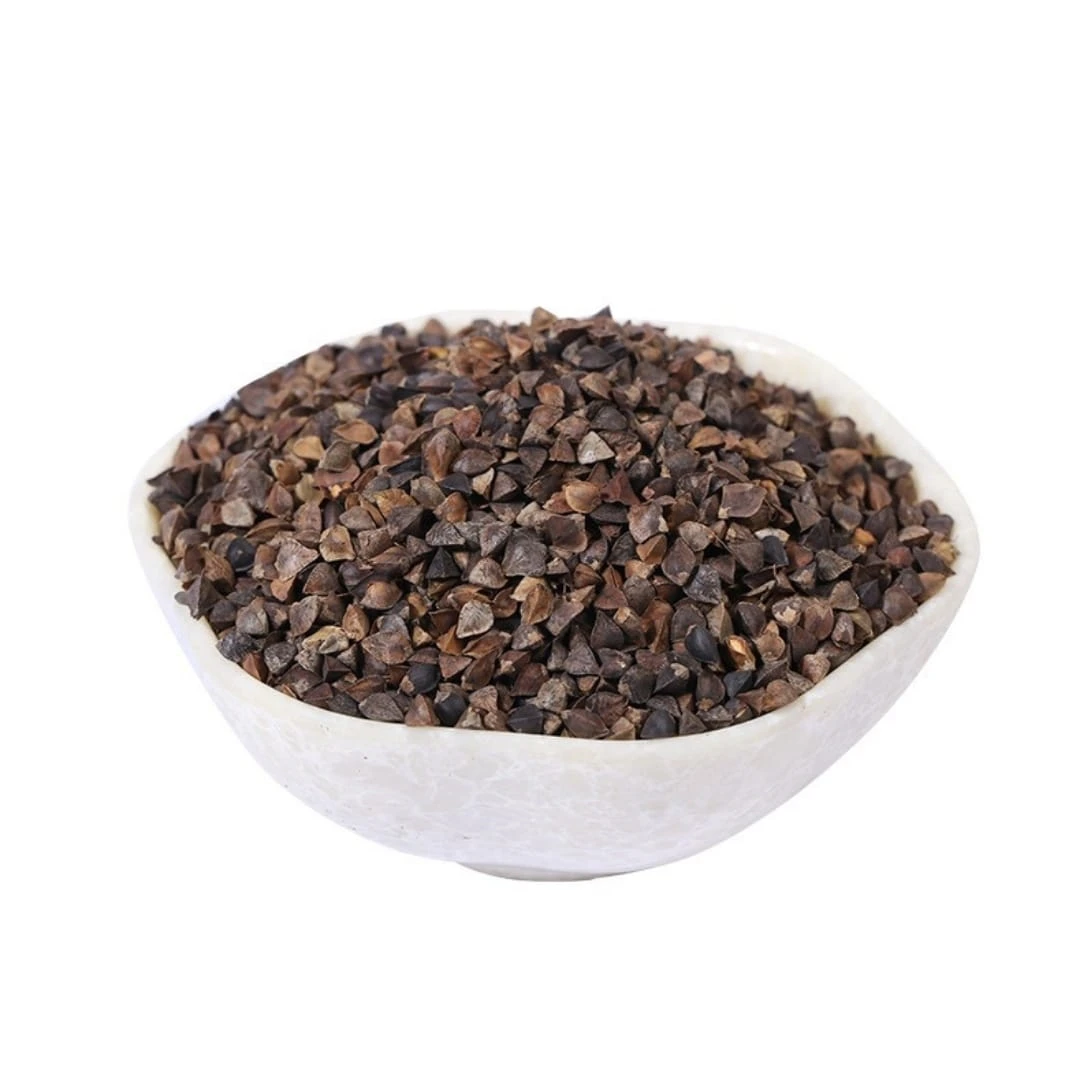


Product Introduction
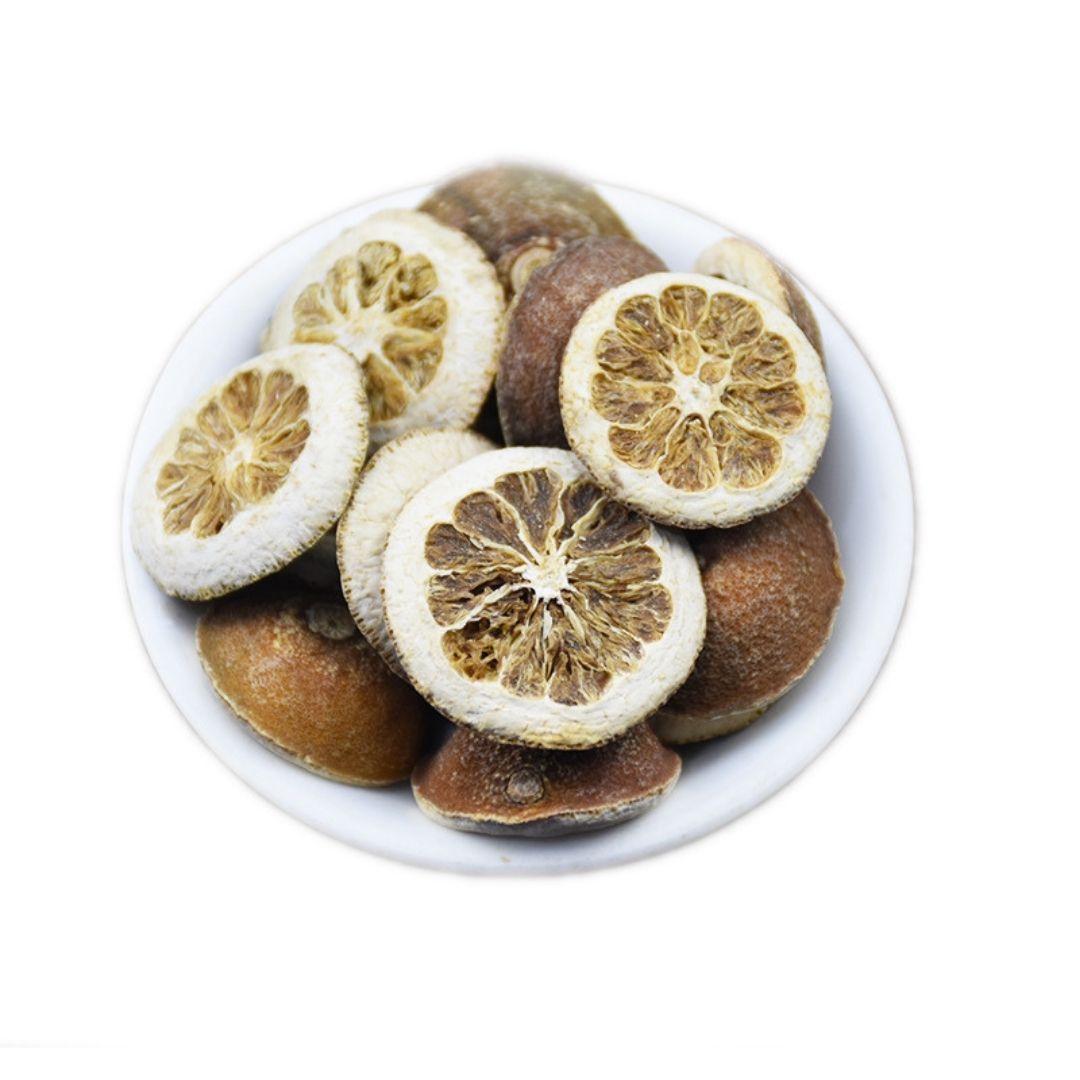
Orange peel, known as Chenpi in traditional Chinese medicine (TCM), is the dried rind of the Citrus sinensis or related citrus fruits. Valued for its medicinal properties, it undergoes a drying and aging process which enhances its therapeutic effects. In TCM, orange peel balances Qi, supports digestive health, and addresses respiratory issues involving phlegm.
Main Active Ingredients
The primary active ingredients in orange peel include volatile oils, flavonoids, hesperidin, and vitamin C. Volatile oils contribute to its aromatic properties and therapeutic effects, while flavonoids and hesperidin act as antioxidants, potentially offering anti-inflammatory and cardiovascular benefits. Vitamin C provides additional antioxidant support.
Product Application Scenarios, Usage, and Dosage
Orange peel is used in various scenarios, such as digestive support, cough relief, and Qi regulation. For digestive support, it can alleviate bloating and indigestion. In respiratory applications, it helps to reduce phlegm and ease coughing. To regulate Qi, it supports overall balance in the body.
The typical dosage of orange peel is 3 to 10 grams, usually administered in decoctions. It can be combined with other herbs to address specific conditions, such as using it with ginger for cold-induced digestive issues or with licorice for coughs.
Introduction to the Source Plant, Distribution, and Growth Environment
Citrus sinensis, the sweet orange tree, is native to Southeast Asia but is now cultivated worldwide in tropical and subtropical regions. The tree thrives in warm climates with plenty of sunlight and well-drained soil. Optimal growing conditions include consistent moisture and protection from frost. The global cultivation ensures a steady supply of oranges, making the peel readily available for medicinal use.
Harvesting, Processing, and Storage
The harvesting of orange peel involves collecting the rinds from mature fruits. The peels are typically harvested during the fruit season, usually in the late fall and winter.
Processing involves several steps: the rinds are first washed, then the outer layer is peeled from the fruit. The peels are then dried, traditionally under the sun or in a low-heat oven. Aging is crucial for developing Chenpi’s unique properties. The peels are stored for months or even years, during which time they undergo changes in flavor and medicinal properties.
Proper storage is essential to maintain the quality of orange peel. It should be stored in a cool, dry, and well-ventilated place, away from direct sunlight and moisture. Airtight containers protect it from pests and preserve its volatile oils.
Citations
- National Center for Complementary and Integrative Health (NCCIH). (n.d.). https://www.nccih.nih.gov/
- Chen, J. K., & Chen, T. T. (2004). Chinese Medical Herbology and Pharmacology. Art of Medicine Press.
- Bensky, D., Gamble, A., & Kaptchuk, T. (1993). Chinese Herbal Medicine: Materia Medica. Eastland Press.
Mia Wu

Hi, I’m Mia Wu! I love helping customers discover the best natural ingredients for their products. With a passion for herbs, spices, and fungi, I work to make sure you get only the finest raw materials. Let's grow together! 🌱✨