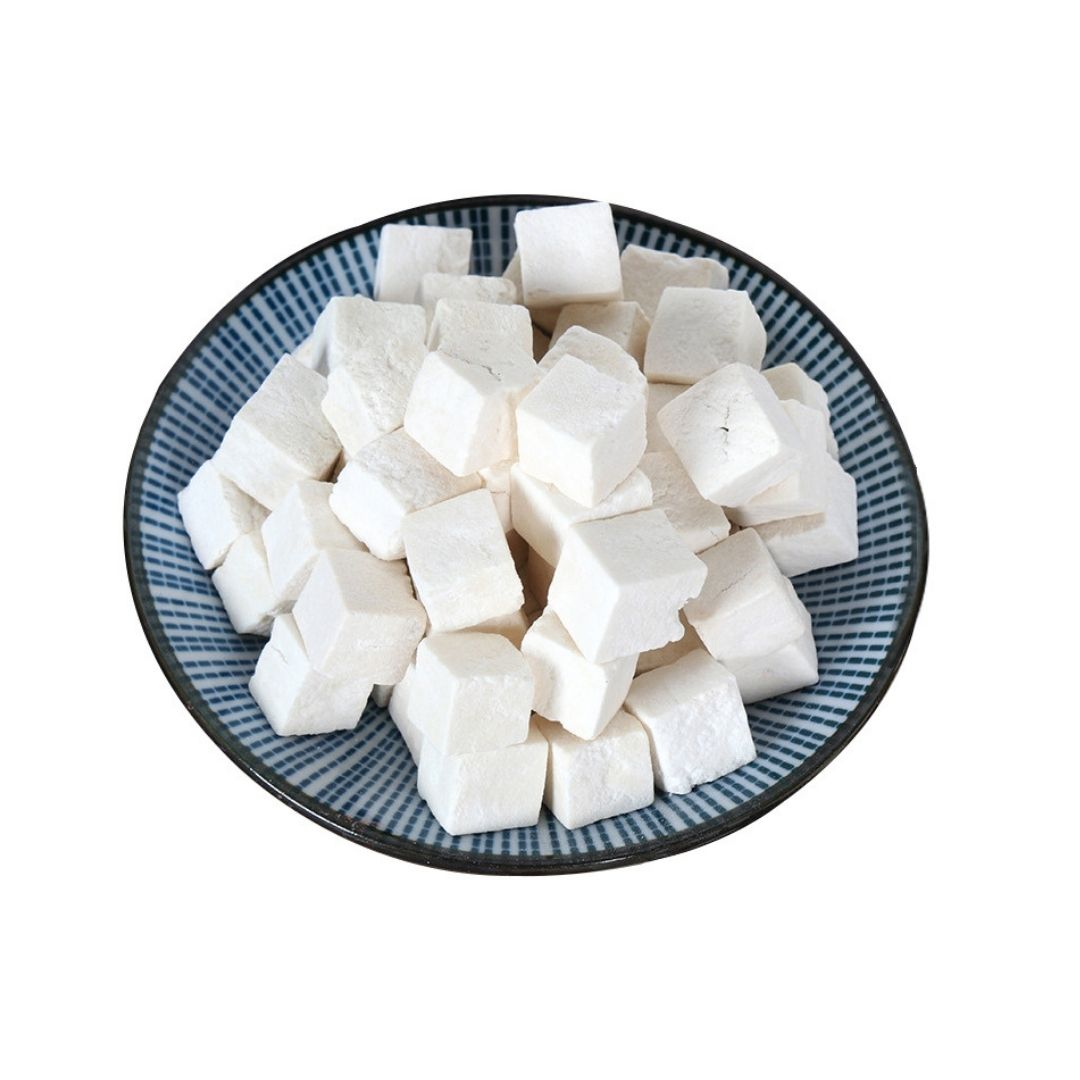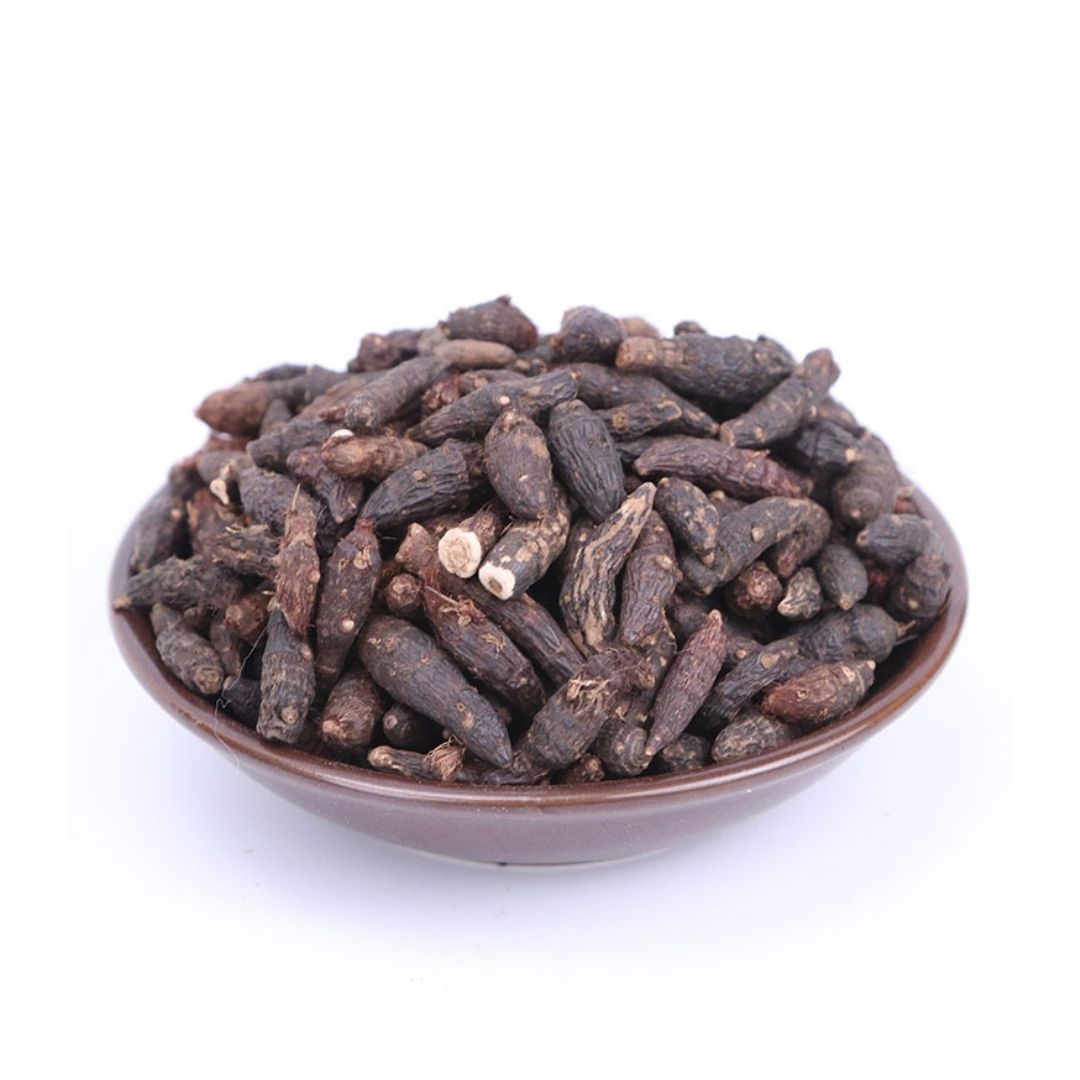


Product Introduction
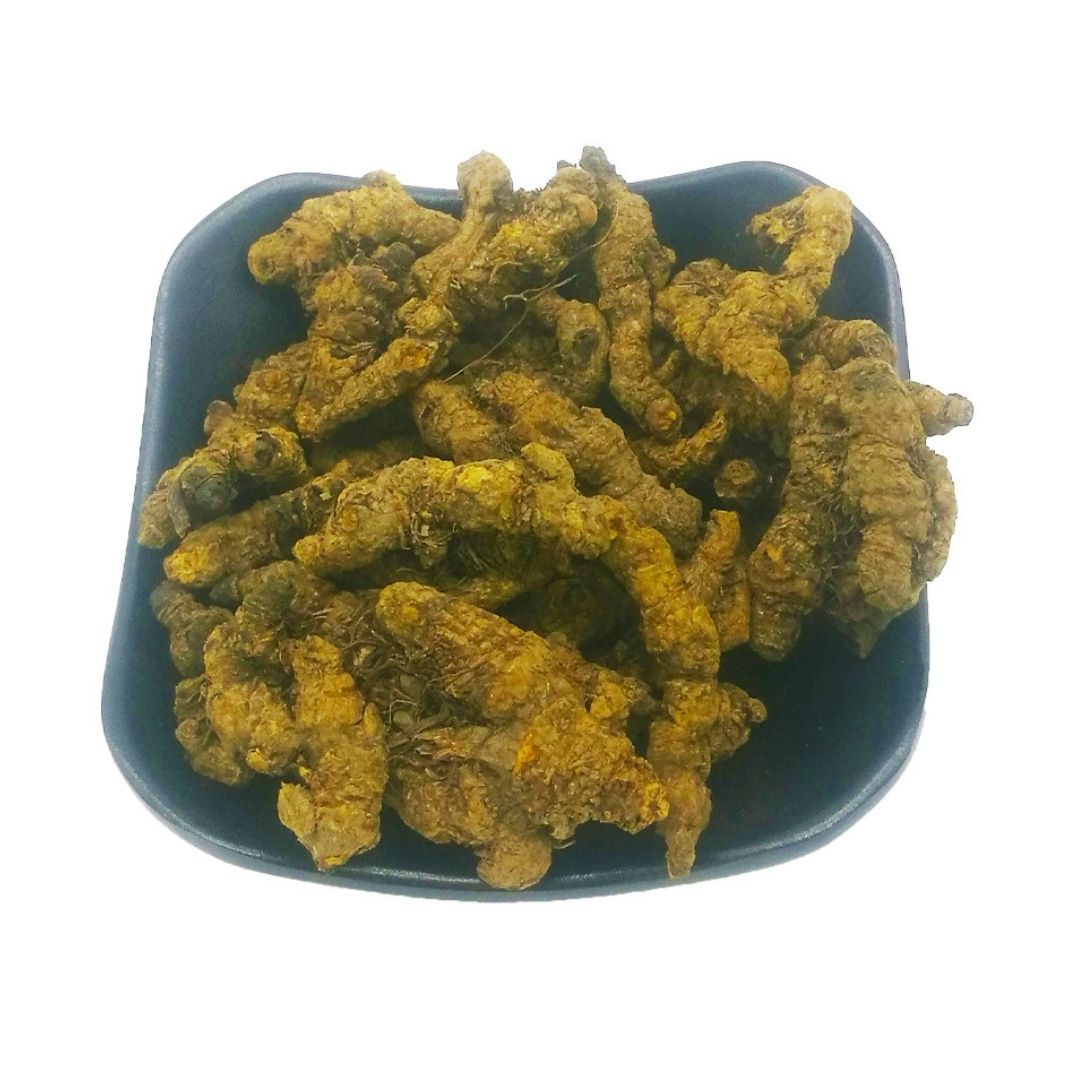
Nutgrass galingale rhizome, derived from Cyperus rotundus L., holds a significant place in traditional Chinese medicine (TCM) for its therapeutic properties. It is valued, particularly, for its ability to regulate Qi, alleviate pain, and address various digestive and gynecological issues. In TCM theory, the herb's capacity to move Qi is crucial, and blockages cause pain and discomfort. This herb is commonly prescribed by practitioners to restore balance and promote overall well-being.
Main Active Ingredients
The therapeutic effects of nutgrass galingale rhizome are attributed to its complex chemical composition. Volatile oils are a major constituent, contributing to its characteristic fragrance and medicinal properties [1]. Flavonoids, known for their antioxidant and anti-inflammatory effects, are also present [2]. Sesquiterpenes contribute to the herb's unique pharmacological actions [3]. These compounds work synergistically to produce the herb's therapeutic effects.
Product Application Scenarios, Usage, and Dosage
Nutgrass galingale rhizome is versatile, with applications spanning various health conditions. It is frequently used to alleviate chest congestion, abdominal distension, and breast tenderness, which are often linked to Qi stagnation [4]. It is also prescribed for menstrual irregularities and pain associated with premenstrual syndrome (PMS) [5]. Typically, it is used in decoctions, pills, and powders. A common dosage is 3-9 grams per day, administered in decoction [6]. The dosage can be adjusted based on individual patient needs and the specific condition being treated.
Introduction to the Source Plant, Distribution, and Growth Environment
Cyperus rotundus L., the source plant of nutgrass galingale rhizome, is a perennial plant belonging to the Cyperaceae family. It is characterized by its extensive rhizome system, which allows it to propagate and spread rapidly. The plant is native to tropical and subtropical regions around the world [7]. It is commonly found in fields, grasslands, and disturbed areas, thriving in moist soil and warm climates [8]. Due to its ability to adapt and reproduce, Cyperus rotundus L. is considered a weed in many agricultural settings.
Harvesting, Processing, and Storage
The rhizomes are typically harvested in the late autumn or early spring [9]. After harvesting, the rhizomes are cleaned to remove soil and debris. They are then dried, either in the sun or using mechanical drying methods, until they reach the desired moisture content [10]. Properly dried rhizomes are stored in a cool, dry, well-ventilated place to prevent mold growth and preserve their medicinal properties [11]. It is crucial to protect the herb from exposure to light and moisture during storage.
Mia Wu

Hi, I’m Mia Wu! I love helping customers discover the best natural ingredients for their products. With a passion for herbs, spices, and fungi, I work to make sure you get only the finest raw materials. Let's grow together! 🌱✨