

Product Introduction
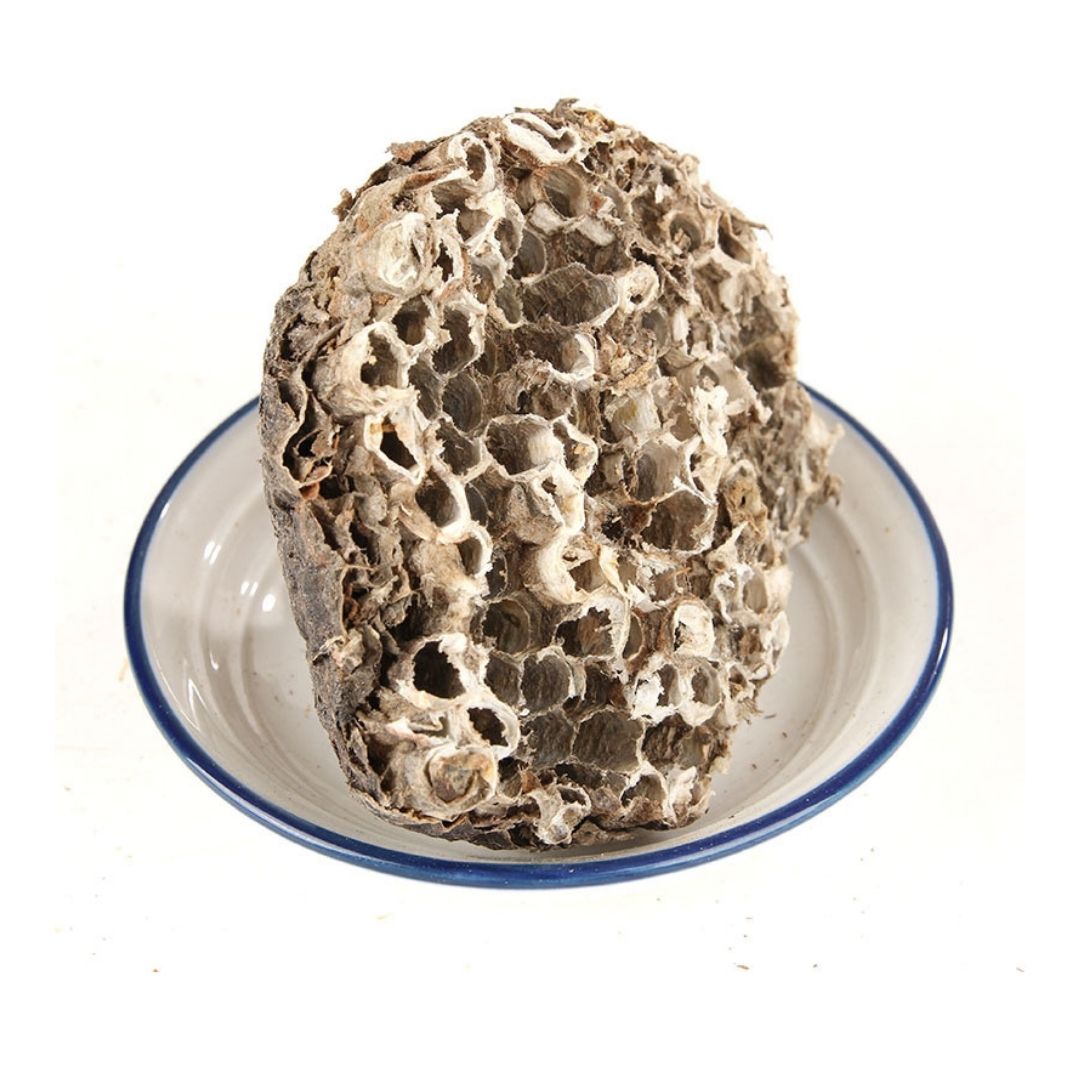
Nidus Vespae, commonly known as Feng Fang, refers to the nest of wasps. These nests are typically gathered for their medicinal properties. The use of wasp nests in traditional medicine dates back centuries, with records found in various herbal medicine texts. The medicinal applications are diverse, ranging from treating pain to addressing skin conditions.
Main Active Ingredients
The primary active ingredients of Nidus Vespae include proteins, amino acids, and chitin. These components are believed to contribute to its therapeutic effects. Chitin, a polysaccharide, is known for its potential anti-inflammatory and wound-healing properties, making it a valuable ingredient in traditional applications. Further research is ongoing to fully elucidate the specific roles and mechanisms of these active constituents.
Product Application Scenarios, Usage, and Dosage
Nidus Vespae is traditionally used in several scenarios. It is prescribed for wind-damp pain, which includes joint pain and arthritis-like symptoms. Additionally, it is applied topically or taken internally for sores, carbuncles, and various skin conditions. The typical dosage involves decocting the nests for oral administration or grinding them into a powder for topical use. The exact dosage can vary, depending on the condition being treated and the specific formulation prescribed by a practitioner.
Introduction to the Source Plant, Distribution, and Growth Environment
The Nidus Vespae used medicinally is derived from wasps such as Paravespula vulgaris or Polistes olivaceus. These wasps are widely distributed across various regions, including Asia, Europe, and North America. They typically build their nests in sheltered locations, such as trees, shrubs, or under the eaves of buildings. These environments provide the necessary protection for the wasp colonies to thrive and build their nests.
Harvesting, Processing, and Storage
The harvesting of Nidus Vespae usually occurs in the autumn and winter months. Harvesters often take nests after the wasps have left to avoid being stung. The nests are then cleaned to remove any debris or impurities. The cleaned nests are typically dried in the sun or using low-heat drying methods to preserve their medicinal properties. Proper storage involves keeping the dried nests in a dry, ventilated place to prevent mold growth and pest infestations.
Citations:
- Traditional Chinese Medicine: A Manual from Acaedemy of Traditional Chinese Medicine. 1995.
- Pharmacopoeia of the People's Republic of China. 2020. China Medical Science Press.
Mia Wu

Hi, I’m Mia Wu! I love helping customers discover the best natural ingredients for their products. With a passion for herbs, spices, and fungi, I work to make sure you get only the finest raw materials. Let's grow together! 🌱✨