
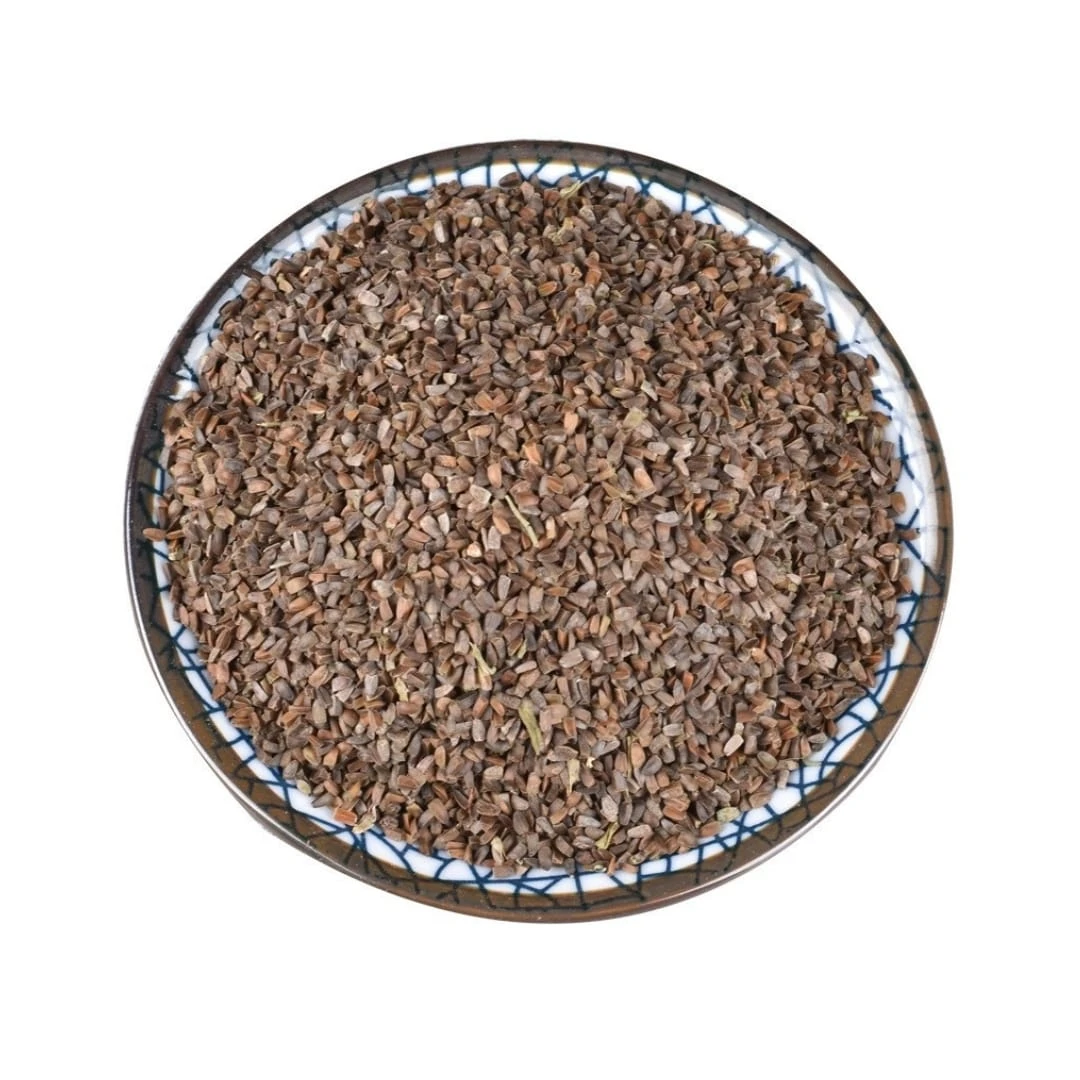


Product Introduction
Motherwort Fruit, derived from the Leonurus japonicus Houtt. plant, is a well-regarded herb in traditional Chinese medicine. It is mainly valued for its properties in promoting blood circulation, regulating menstruation, and addressing various gynecological issues. Its historical use spans centuries, indicating its established role in traditional health practices. The fruit is harvested and processed carefully to retain its therapeutic qualities.
Main Active Ingredients
The efficacy of Motherwort Fruit is attributed to its complex chemical composition. The alkaloids present contribute significantly to its therapeutic effects, influencing uterine contractions and blood flow. Flavonoids, known for their antioxidant properties, help in reducing inflammation and protecting against cellular damage. Terpenoids, another group of active compounds, add to the herb's overall medicinal properties through their diverse biological activities. These components synergistically contribute to the herb's overall effectiveness.
Product Application Scenarios, Usage, and Dosage
Motherwort Fruit is particularly useful in addressing menstrual irregularities and postpartum conditions. It is often prescribed for dysmenorrhea (painful menstruation), amenorrhea (absence of menstruation), and lochiorrhea (prolonged postpartum bleeding). Its ability to stimulate uterine contractions makes it beneficial in expelling retained blood clots post-childbirth.
Traditionally, Motherwort Fruit is administered in decoctions. The typical dosage ranges from 6 to 12 grams, depending on the specific condition and the patient's overall health status. It is usually combined with other herbs to enhance its effects and address underlying imbalances. A healthcare provider should determine its specific usage and dosage.
Introduction to the Source Plant, Distribution, and Growth Environment
The Leonurus japonicus Houtt. plant, from which Motherwort Fruit is derived, is an herbaceous plant belonging to the Lamiaceae family. This plant is characterized by its square stems, opposite leaves, and whorls of purplish-pink flowers. It is native to Asia and is widely distributed in China, Japan, Korea, and other parts of Southeast Asia.
It thrives in moist, well-drained soils, often found in fields, along roadsides, and in disturbed areas. The plant prefers sunny locations but can tolerate partial shade. Its adaptability allows it to grow in various environments, contributing to its widespread distribution.
Harvesting, Processing, and Storage
The fruits of Leonurus japonicus Houtt. are typically harvested in the late summer or early autumn when they are fully ripe. Harvesting involves collecting the mature fruits, and caution is taken to avoid damaging the plant.
After harvesting, the fruits are cleaned to remove any impurities. They are then dried, traditionally by sun-drying or using mechanical dryers. Once dried, the Motherwort Fruit is stored in airtight containers. These containers are kept in a cool, dry, and dark place to prevent moisture absorption and degradation of the active constituents. Proper storage is crucial to maintaining the herb's potency and extending its shelf life.
Citations
- Chen, J. K., & Chen, T. T. (2004). Chinese Medical Herbology and Pharmacology. Art of Medicine Press.
- Bensky, D., Gamble, A., & Kaptchuk, T. (1993). Chinese Herbal Medicine: Materia Medica. Eastland Press.
Mia Wu

Hi, I’m Mia Wu! I love helping customers discover the best natural ingredients for their products. With a passion for herbs, spices, and fungi, I work to make sure you get only the finest raw materials. Let's grow together! 🌱✨







