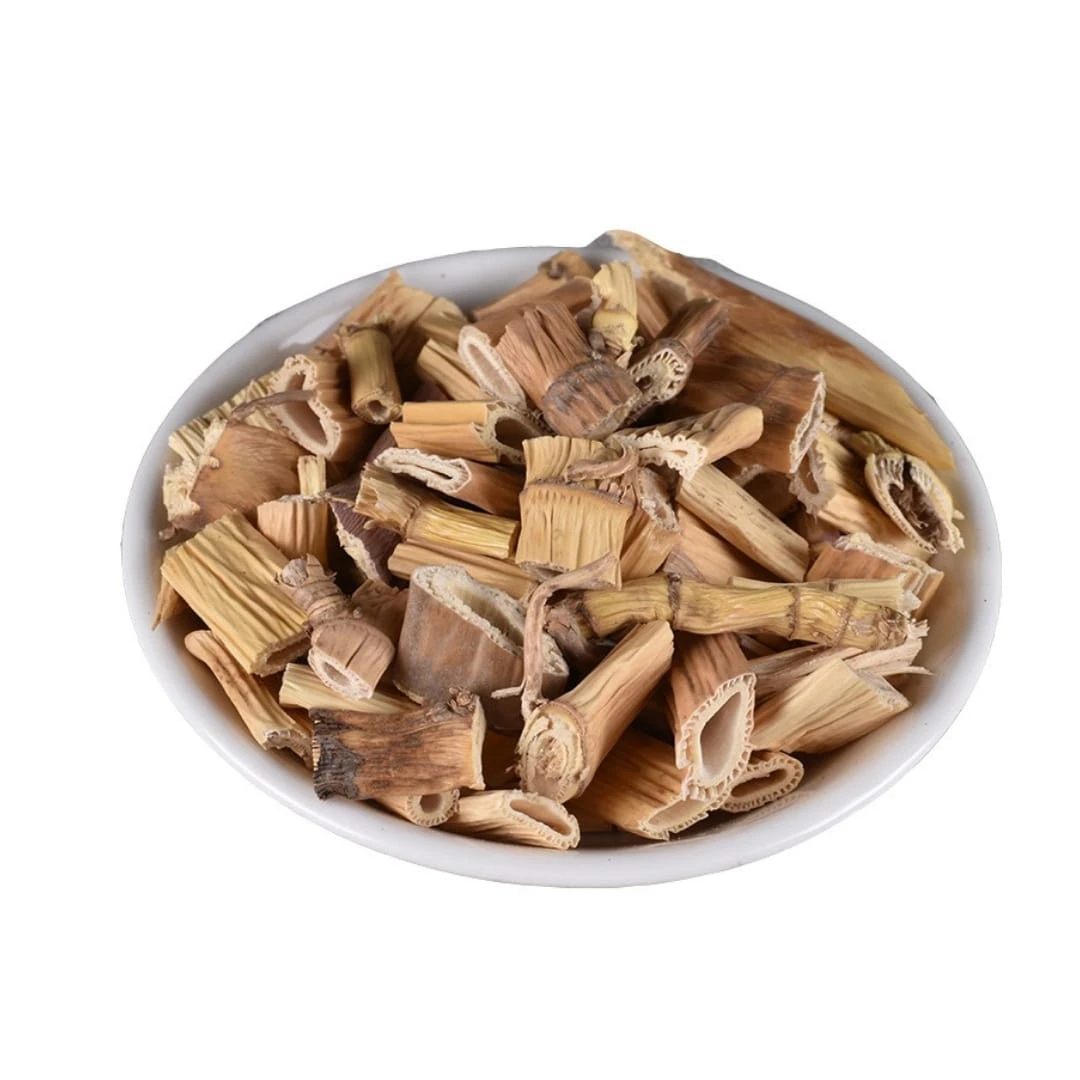
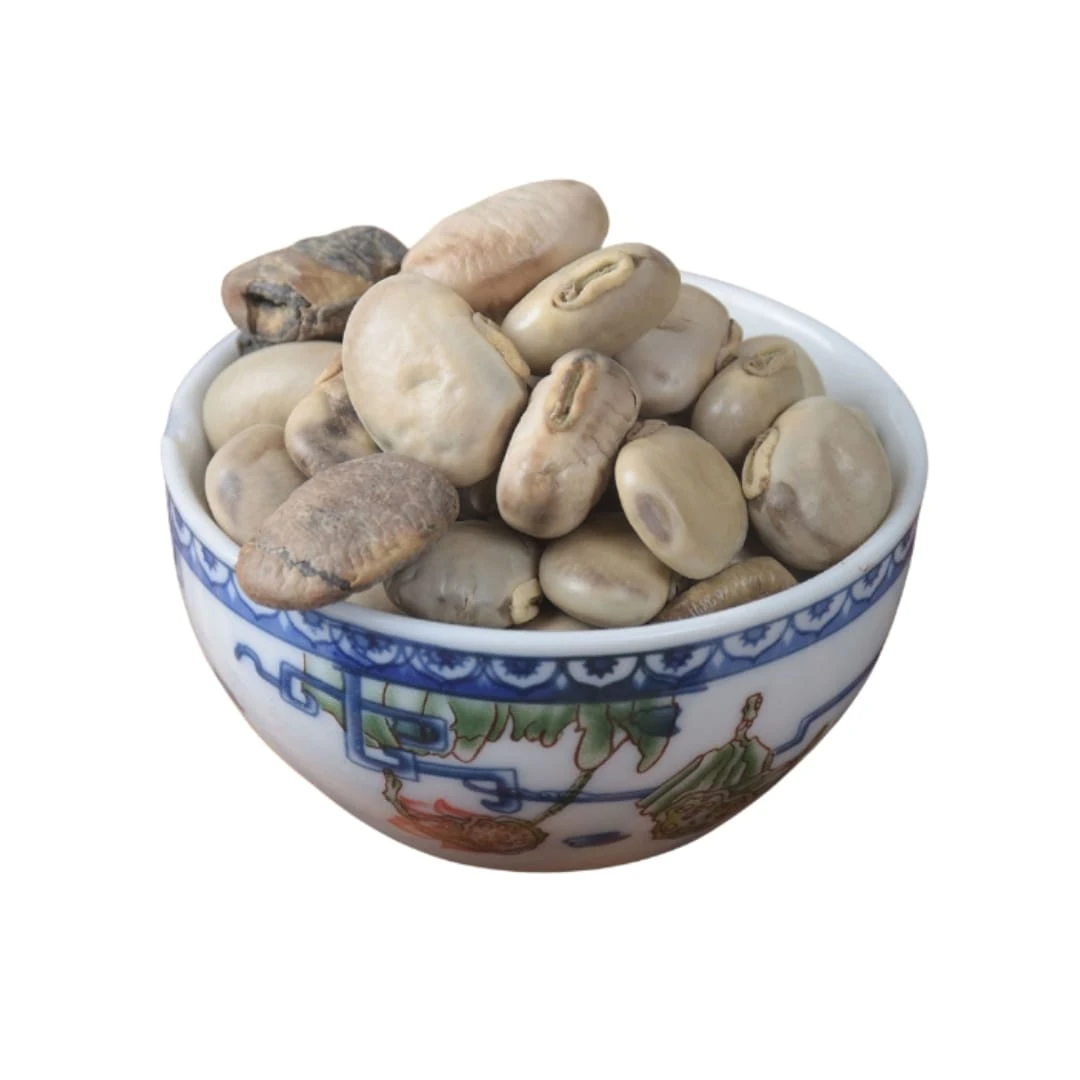
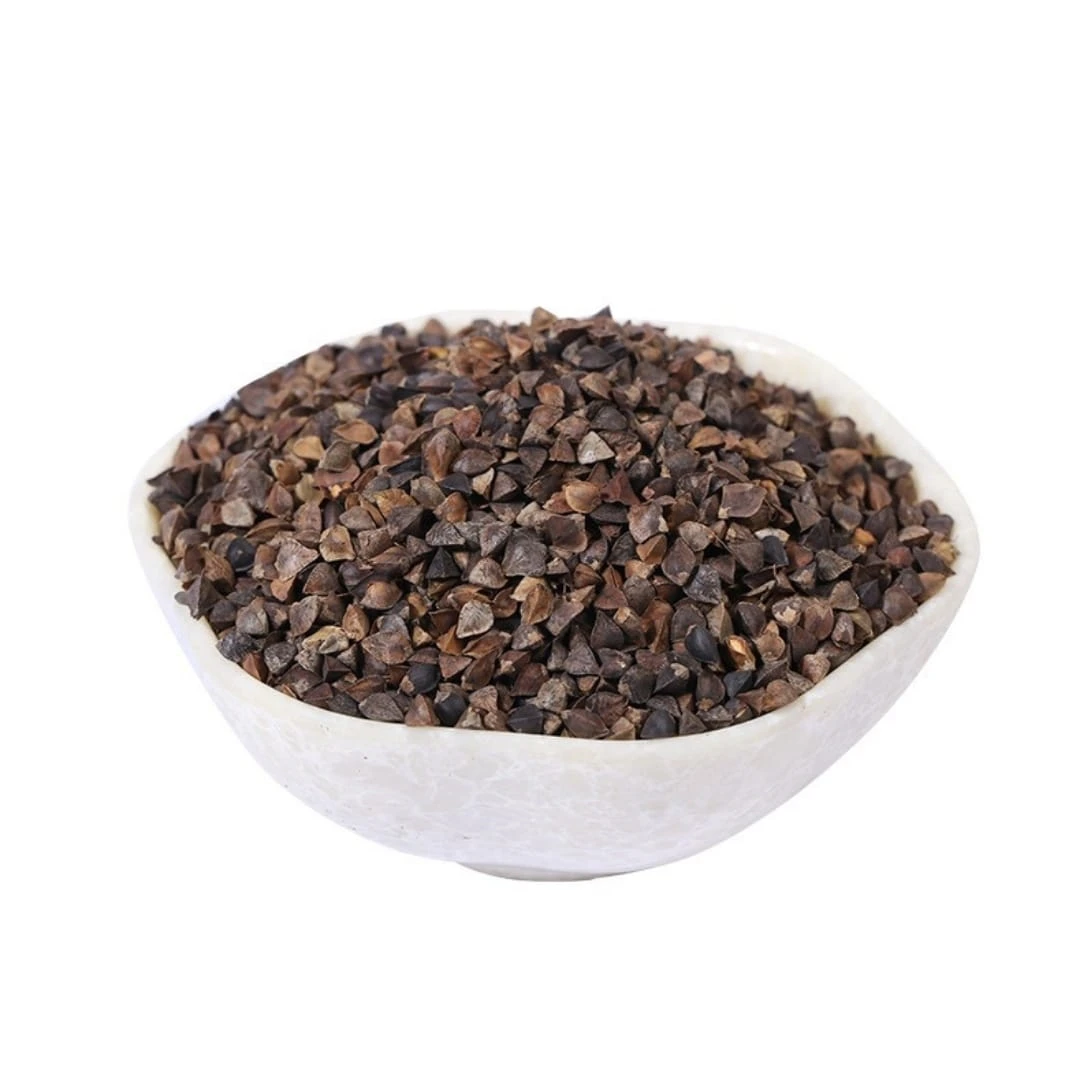
Product Introduction
Mimosa pudica, a creeping annual or perennial flowering plant, is well-known for its unique reaction to touch. When the leaves are touched, they quickly fold inward and droop, a defense mechanism that startles potential predators. This intriguing behavior has made it a subject of scientific study and traditional medicine. The plant's sensitivity stems from specialized structures at the base of each leaflet and petiole, called the pulvini, which rapidly lose water when stimulated, causing the leaves to collapse.
Beyond its fascinating behavior, Mimosa pudica contains various bioactive compounds that have been explored for their potential therapeutic benefits. In traditional medicine systems, such as Ayurveda, Mimosa pudica has been used for centuries to address a range of ailments. These uses include managing bleeding disorders, treating intestinal parasites, and promoting wound healing. The plant's roots, leaves, and seeds are utilized in different preparations, depending on the intended application.
Main Active Ingredients
Mimosa pudica contains several key active ingredients that contribute to its medicinal properties. Mimosine, an non-protein amino acid, is one of the primary compounds found in the plant. It can act as an anti-fertility agent and possesses antibacterial properties [1]. Tannins, another significant component, contribute to the plant's astringent properties, which are useful in wound healing and managing bleeding disorders [2].
Additionally, Mimosa pudica contains alkaloids and flavonoids. Alkaloids are known for their diverse pharmacological activities, including analgesic and anti-inflammatory effects [3]. Flavonoids, which are antioxidants, help protect cells from damage caused by free radicals and may have anti-inflammatory and antimicrobial properties [4]. These compounds collectively contribute to the plant's therapeutic potential, giving it a prominent role in traditional medicine.
Product Application Scenarios, Usage, and Dosage
In traditional medicine, Mimosa pudica is applied in various scenarios, typically involving the management of bleeding, intestinal parasites, and wound healing. It is often used to address bleeding disorders due to its astringent properties. For internal use, such as treating intestinal worms, the plant's roots or seeds may be administered [5].
The usage and dosage of Mimosa pudica vary depending on the specific application and the form in which it is used. Traditionally, a decoction or powder made from the plant's roots is used, with dosages ranging from 3 to 6 grams per day. For wound healing, a paste made from the leaves can be applied topically to the affected area [6]. It is crucial to consult with a qualified healthcare practitioner before using Mimosa pudica, to determine the appropriate dosage and ensure safe usage.
Introduction to the Source Plant, Distribution, and Growth Environment
Mimosa pudica is a member of the Fabaceae family, commonly known as the legume family. It is native to the tropical regions of America but has become widely distributed in tropical and subtropical areas worldwide [7]. The plant thrives in warm, humid environments and is often found in disturbed areas, such as roadsides, agricultural fields, and waste places. It prefers well-drained soil and plenty of sunlight but can tolerate a range of soil types and light conditions.
Mimosa pudica grows as a low-spreading shrub, typically reaching a height of up to 1 meter. It has a prickly stem and bipinnately compound leaves, which are highly sensitive to touch. The plant produces small, pink, or purple flowers that form in globular heads. Its adaptability and rapid growth have contributed to its widespread distribution, making it a common sight in many tropical landscapes [8].
Harvesting, Processing, and Storage
The harvesting of Mimosa pudica typically involves collecting the roots, leaves, and seeds, depending on the intended use. The roots are usually harvested during the dry season when the plant's active constituents are more concentrated [9]. The leaves can be collected throughout the growing season, while the seeds are gathered when the plant fruits. After harvesting, the plant material is carefully processed to preserve its quality.
The processing of Mimosa pudica involves cleaning, drying, and sometimes grinding the plant parts. The harvested roots, leaves, and seeds are thoroughly washed to remove any dirt or debris. They are then dried in a well-ventilated area, away from direct sunlight, to prevent mold growth and maintain their medicinal properties [10]. Once dried, the plant material can be ground into a powder for easier storage and usage. Proper storage is essential to maintain the plant's potency. It should be stored in airtight containers, in a cool, dry place, away from light and moisture. This ensures that the active constituents remain stable, and the plant retains its therapeutic benefits for an extended period.
Citations:
[1] Mali, R. G., Mahajan, S. G., & Mehta, A. A. (2003). Preliminary screening of anti-inflammatory activity of methanolic extract of Mimosa pudica Linn. Journal of Natural Remedies, 3(2), 162-164.
[2] Williamson, E. M. (2002). Major Herbs of Ayurveda. Churchill Livingstone.
[3] Duke, J. A. (2002). Handbook of medicinal herbs. CRC press.
[4] Cushnie, T. P. T., & Lamb, A. J. (2005). Antimicrobial activity of flavonoids. International Journal of Antimicrobial Agents, 26(5), 343-356.
[5] Chopra, R. N., Nayar, S. L., & Chopra, I. C. (1956). Glossary of Indian Medicinal Plants. Council of Scientific & Industrial Research.
[6] Kirtikar, K. R., & Basu, B. D. (1918). Indian Medicinal Plants. Volume II. Allahabad: Lalit Mohan Basu.
[7] Holm, L. G., Pancho, J. V., Herberger, J. P., & Plucknett, D. L. (1979). A geographical atlas of world weeds. John Wiley & Sons.
[8] Randall, R. P. (2012). A global compendium of weeds. Department of Agriculture and Food, Western Australia.
[9] Khare, C. P. (2007). Indian Medicinal Plants: An Illustrated Dictionary. Springer Science & Business Media.
[10] Bone, K., & Mills, S. (2013). Principles and practice of phytotherapy. Elsevier Health Sciences.
Mia Wu

Hi, I’m Mia Wu! I love helping customers discover the best natural ingredients for their products. With a passion for herbs, spices, and fungi, I work to make sure you get only the finest raw materials. Let's grow together! 🌱✨