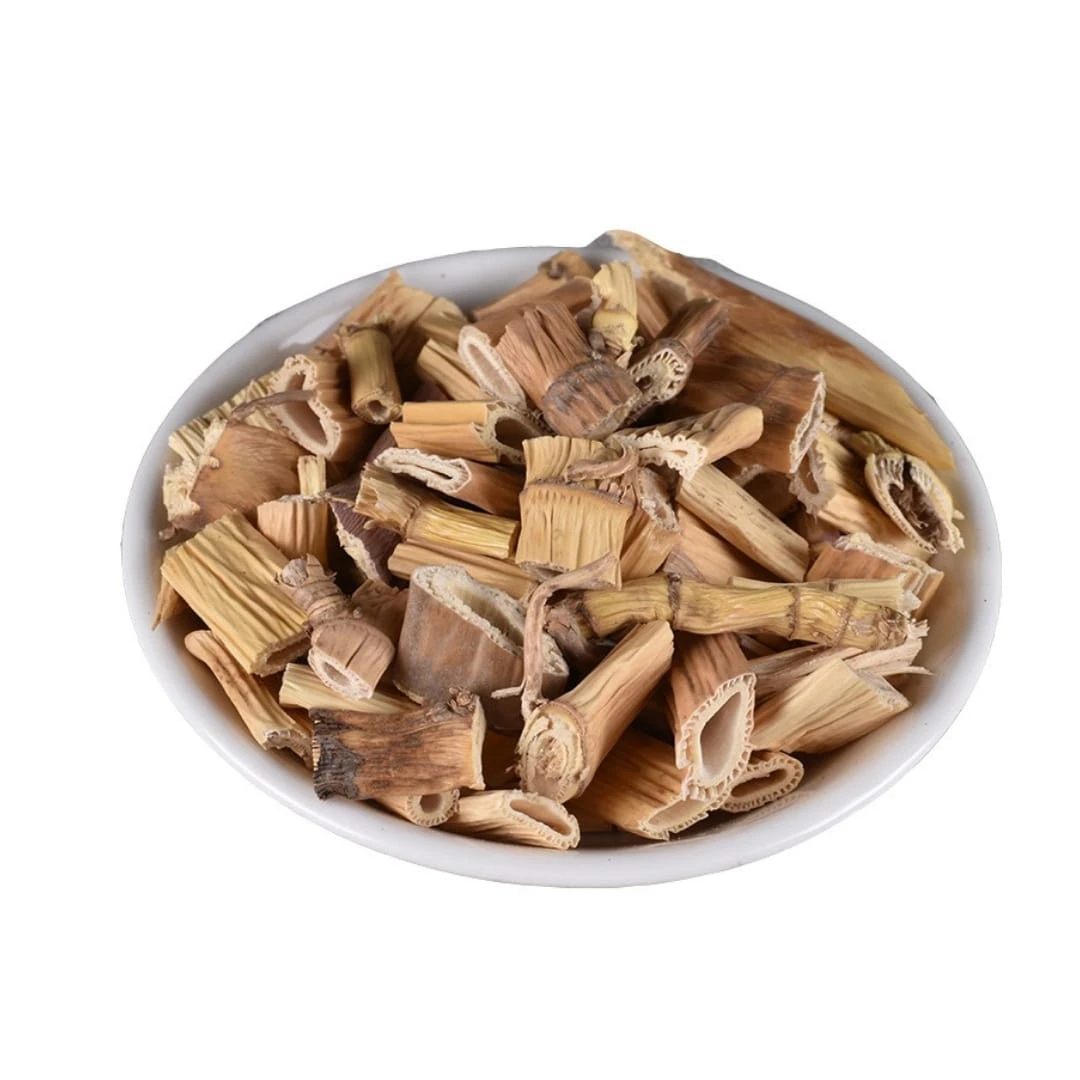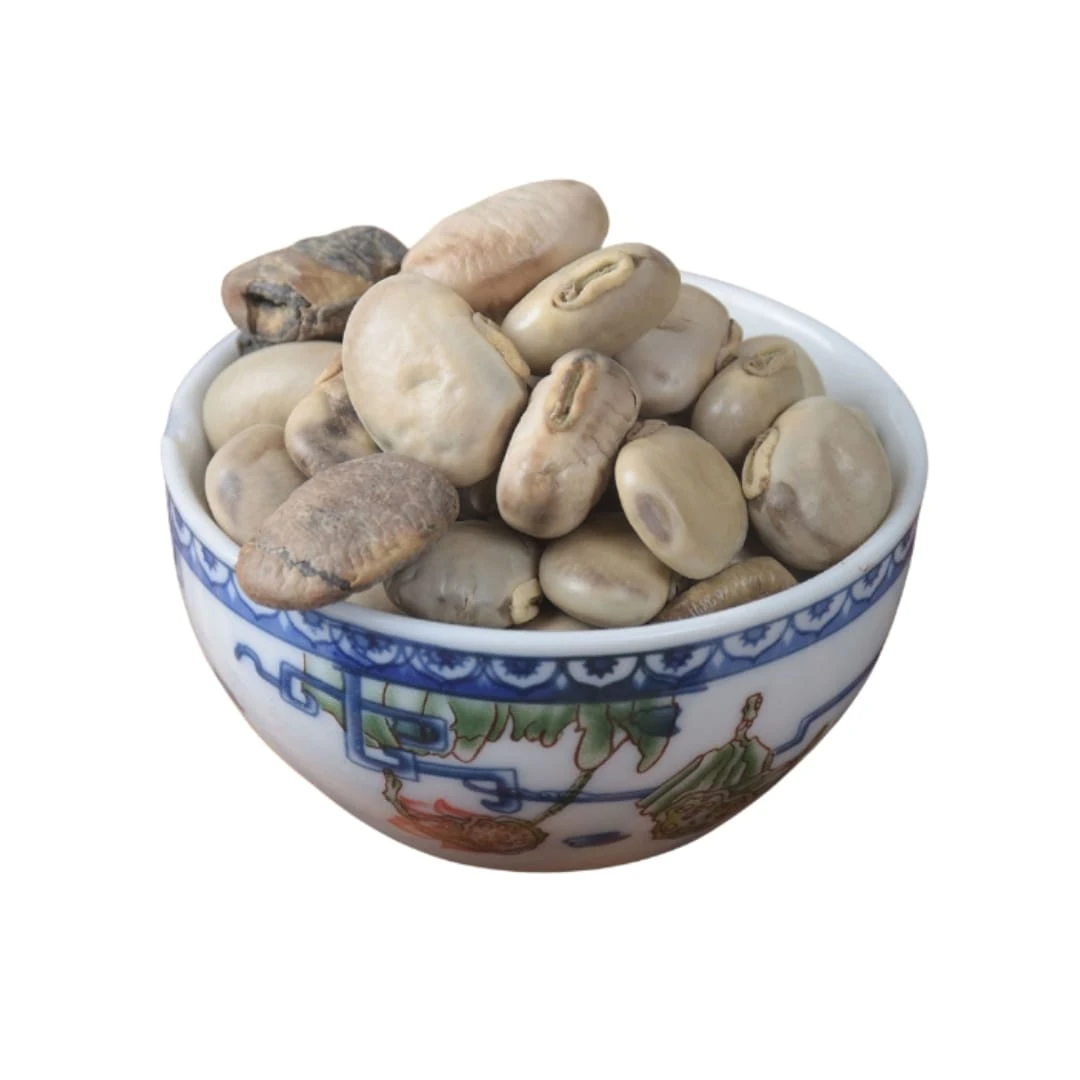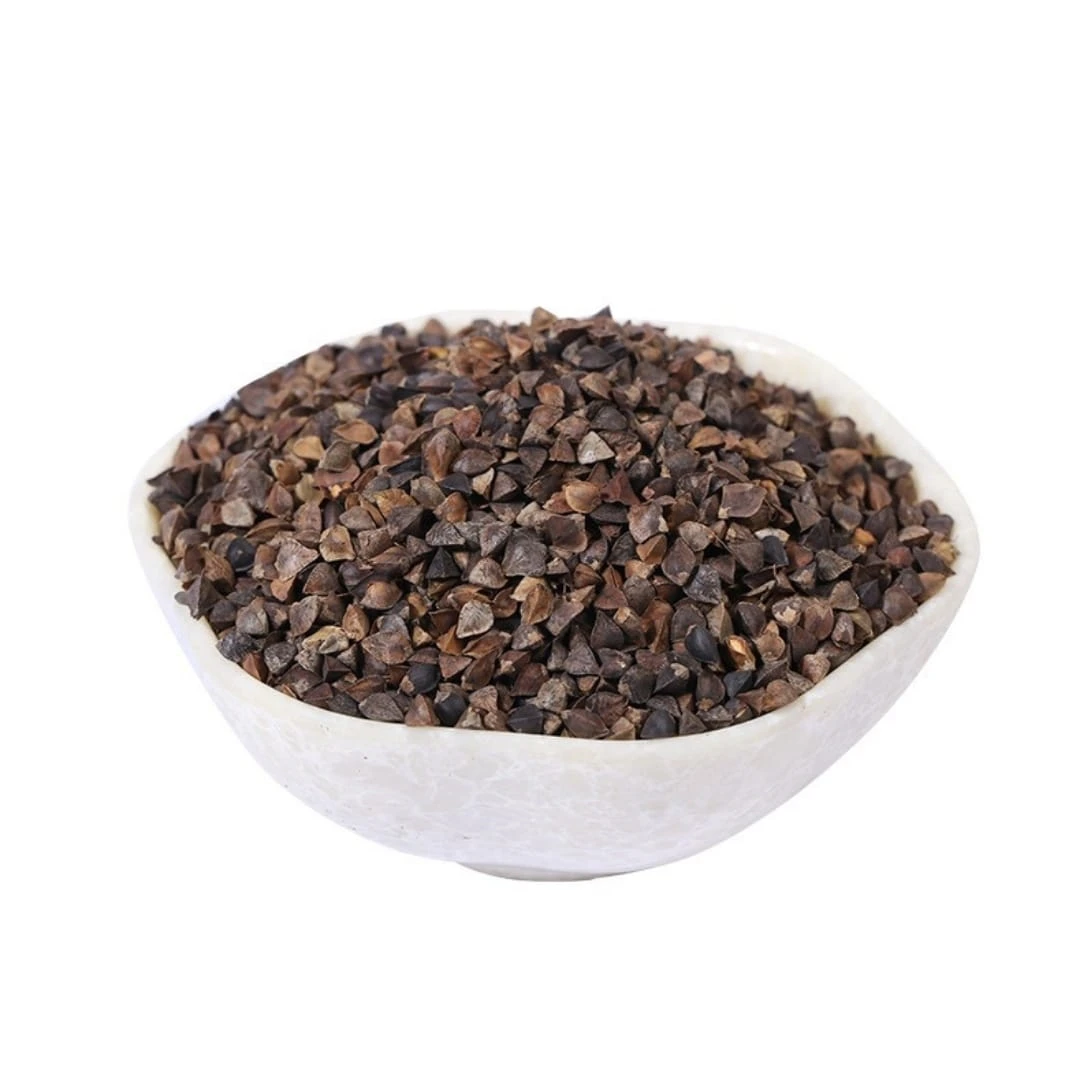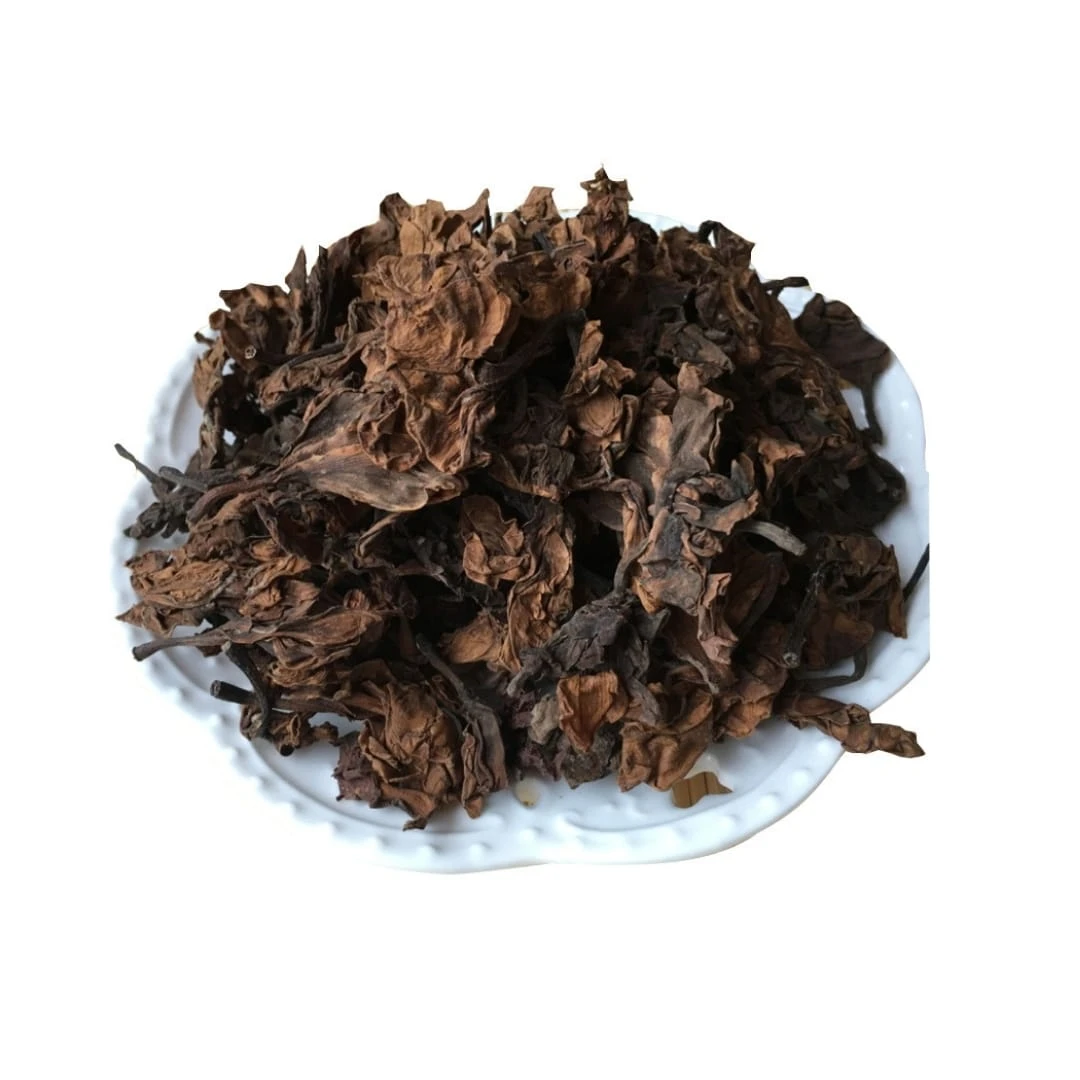


Product Introduction
The Mexican Frangipani Flower, scientifically known as Plumeria rubra, stands out for its captivating beauty and enchanting fragrance. Native to Mexico and Central America, this flower has been integrated into various cultural practices and traditional medicine systems. Its applications range from ornamental decorations to therapeutic uses, largely attributed to its aromatic compounds. The flower's visual appeal, coupled with its potential health benefits, makes it a valuable botanical resource.
Main Active Ingredients
The therapeutic and aromatic properties of the Mexican Frangipani Flower are primarily due to its essential oil composition. Linalool, known for its calming and anti-inflammatory effects, is a significant component [1]. Geraniol, another key ingredient, contributes to the flower's fragrance and possesses antioxidant properties [2]. These compounds work synergistically to provide the flower's distinctive aroma and potential health benefits. Further research is continually exploring additional active ingredients and their specific roles.
Product Application Scenarios, Usage, and Dosage
In aromatherapy, the Mexican Frangipani Flower's essential oil is diffused to promote relaxation and reduce stress. Topically, it is used in skincare products for its moisturizing and anti-inflammatory properties [3]. Traditional medicine practices utilize the flower in infusions and decoctions, though specific dosages vary based on the intended use and individual health conditions. As a precaution, consulting with a qualified healthcare practitioner is advisable before incorporating it into a treatment regimen.
Introduction to the Source Plant, Distribution, and Growth Environment
Plumeria rubra, the source plant of the Mexican Frangipani Flower, is a deciduous tree that thrives in tropical and subtropical climates. It is widely distributed throughout Mexico, Central America, and parts of South America. The plant prefers well-drained soil and abundant sunlight, growing to heights of up to 25 feet [4]. Its adaptability has facilitated its cultivation in various regions, making it a popular ornamental plant worldwide.
Harvesting, Processing, and Storage
The flowers are typically harvested during the blooming season, which spans from spring to fall. Harvesting is ideally done in the early morning when the fragrance is most potent. After harvesting, the flowers are carefully dried to preserve their essential oils and prevent mold growth [5]. Proper storage involves placing the dried flowers in airtight containers, kept in a cool, dark, and dry environment to maintain their quality and efficacy.
Citations:
[1] Chanwitheesuk, A., Teerawutgulrag, A., Rakariyatham, N. (2005). Antimicrobial properties of clove oil extracted from Thai clove buds. Kasetsart J. (Nat. Sci.), 39(3), 556-564.
[2] Miguel, M. G. (2010). Antioxidant and anti-inflammatory activities of essential oils: a short review. Molecules, 15(12), 9252-9287.
[3] Sangetha, W., Zarena, A. S., Farvin, K. H. S., Kumar, T. S., Shinichi, Y., & Shiny, K. S. (2008). Topical anti-inflammatory activity of the essential oil of Plumeria alba L. Food and Chemical Toxicology, 46(9), 3040-3044.
[4] Nelson, G. (2008). Landscaping with native plants of Florida. Pineapple Press Inc.
[5] Lawless, J. (1995). The Illustrated Encyclopedia of Essential Oils. Element Books.
Mia Wu

Hi, I’m Mia Wu! I love helping customers discover the best natural ingredients for their products. With a passion for herbs, spices, and fungi, I work to make sure you get only the finest raw materials. Let's grow together! 🌱✨