
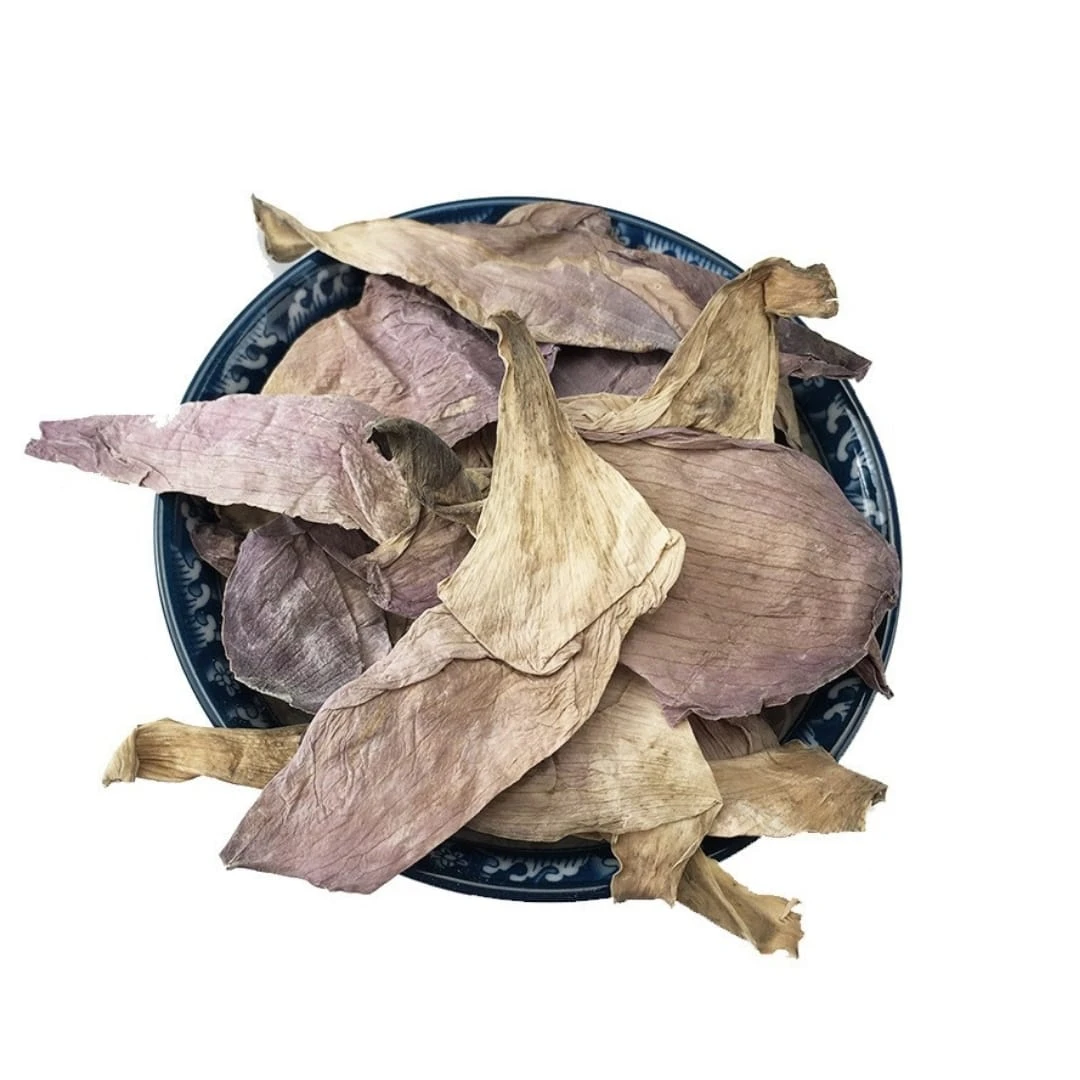


Product Introduction
The lotus plant (Nelumbo nucifera) provides various medicinal parts, that includes the seeds (Lian Zi), leaves (He Ye), and rhizomes (Ou Jie). Each part has distinctive properties and applications and has been used for centuries in traditional medicine. Lotus seeds are known for their nourishing and calming effects. Lotus leaves are used to clear summer heat and promote weight management. Lotus rhizomes are valued for their cooling and blood-circulating properties.
Main Active Ingredients
Lotus seeds contain alkaloids, flavonoids, and polysaccharides, are responsible for nourishing the Spleen and Kidneys. Lotus leaves are rich in flavonoids and alkaloids that contribute to dispelling summer heat. Lotus rhizomes contain starch, fiber, and nutrients, supporting their use in promoting blood circulation and stopping bleeding. For example, the alkaloids in lotus seeds, such as liensinine, have been studied for their potential calming effects. Flavonoids in lotus leaves, such as quercetin, act as antioxidants.
Product Application Scenarios, Usage, and Dosage
Lotus seeds are often used to treat conditions, such as diarrhea, insomnia, and poor appetite. Lotus leaves are commonly used in summer to alleviate heat-related symptoms and to assist with weight loss. Lotus rhizomes are used to manage bleeding and improve blood circulation. The specific usage and dosage vary depending on the condition and the form of the lotus part used.
Typical dosages:
- Lotus Seeds (Lian Zi): 6-15 grams, decocted in water.
- Lotus Leaves (He Ye): 3-9 grams, decocted in water or used in powder form.
- Lotus Rhizome (Ou Jie): 15-30 grams, decocted in water or consumed fresh.
Introduction to the Source Plant, Distribution, and Growth Environment
Nelumbo nucifera, the source of the lotus plant, is an aquatic perennial native to Asia. The plant is cultivated in ponds and shallow lakes; known cultivated regions include China, India, and other Southeast Asian countries. The lotus plant thrives in warm, wet environments, requiring plenty of sunlight and nutrient-rich soil.
Harvesting, Processing, and Storage
Lotus seeds are typically harvested in the late summer or early fall, when the seed pods are mature. The seeds are then removed, dried, and often shelled before use. Lotus leaves are harvested during the summer months, usually dried in the sun or through artificial means. Lotus rhizomes are harvested in the fall or winter, cleaned, and sliced before drying. All lotus parts should be stored in a cool, dry place, away from direct sunlight and moisture, to preserve their beneficial properties.
Citations
- Li, Y., et al. "Chemical composition and antioxidant activity of lotus seedpod procyanidins." Journal of Food Science 75.1 (2010): C8-C14.
- Ong, W. Y., and J. S. Kim. "Neuroprotective effects of Nelumbo nucifera rhizome extract in a rat model of cerebral ischemia." Journal of Ethnopharmacology 133.3 (2011): 994-997.
- Rahmat, A., et al. "Antihyperglycemic activity of Nelumbo nucifera leaves extract in streptozotocin-induced diabetic rats." Journal of Ethnopharmacology 115.2 (2008): 354-359.
Mia Wu

Hi, I’m Mia Wu! I love helping customers discover the best natural ingredients for their products. With a passion for herbs, spices, and fungi, I work to make sure you get only the finest raw materials. Let's grow together! 🌱✨







