

Lobelia Chinensis: An Educational Article
Product Introduction
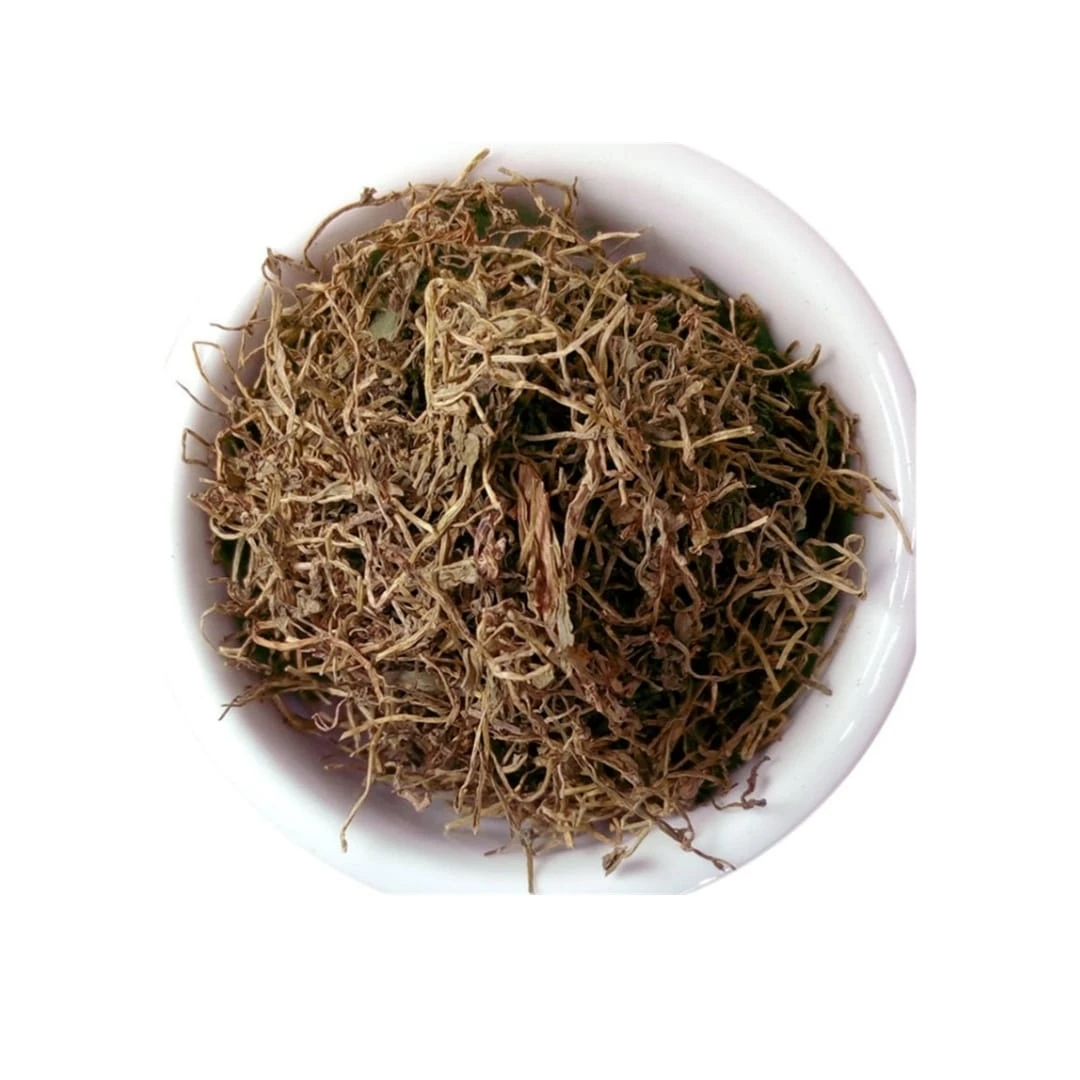
Lobelia chinensis is a small, perennial herb that has been used in traditional Chinese medicine for centuries. The plant typically grows in moist environments, such as along riverbanks and in damp fields. Its therapeutic properties are attributed to its unique chemical composition, which includes various alkaloids, flavonoids, and phenolic acids. The herb is harvested during the summer and autumn months, and it is typically dried before being used in medicinal preparations.
Main Active Ingredients
The main active ingredients in Lobelia chinensis include lobeline, isolobelanine, and other related alkaloids. These compounds are believed to contribute to the herb's pharmacological effects, such as its anti-inflammatory and detoxification properties. Flavonoids and phenolic acids present in the plant also contribute to its antioxidant and anti-inflammatory activities. These compounds work synergistically to provide the therapeutic benefits associated with Lobelia chinensis.
Product Application Scenarios, Usage, and Dosage
In traditional Chinese medicine, Lobelia chinensis is frequently used to treat a variety of conditions, including edema, snake bites, and skin infections. It is often prescribed to promote diuresis, reduce swelling, and clear toxins from the body. The typical dosage of the dried herb is 3-9 grams, usually administered in decoction form. For external use, it can be crushed and applied directly to the affected area. It is important to consult with a qualified healthcare practitioner before using Lobelia chinensis, especially if you have any underlying health conditions or are taking other medications.
Introduction to the Source Plant, Distribution, and Growth Environment
Lobelia chinensis belongs to the Campanulaceae family and is native to East Asia, including China, Japan, and Korea. It thrives in moist, shady environments, such as wetlands, stream banks, and rice paddies. The plant prefers slightly acidic to neutral soils and requires ample moisture to grow optimally, often found at lower altitudes where there is consistent water availability.
Harvesting, Processing, and Storage
The herb is typically harvested in the summer and autumn when the plant is in full bloom. The entire plant is uprooted, washed to remove any dirt and debris, and then dried in the sun or using mechanical dryers. Proper drying is essential to preserve the herb's active constituents and prevent mold growth. Once dried, Lobelia chinensis should be stored in a cool, dry, and well-ventilated place to maintain its quality and potency.
Citations
Mia Wu

Hi, I’m Mia Wu! I love helping customers discover the best natural ingredients for their products. With a passion for herbs, spices, and fungi, I work to make sure you get only the finest raw materials. Let's grow together! 🌱✨