
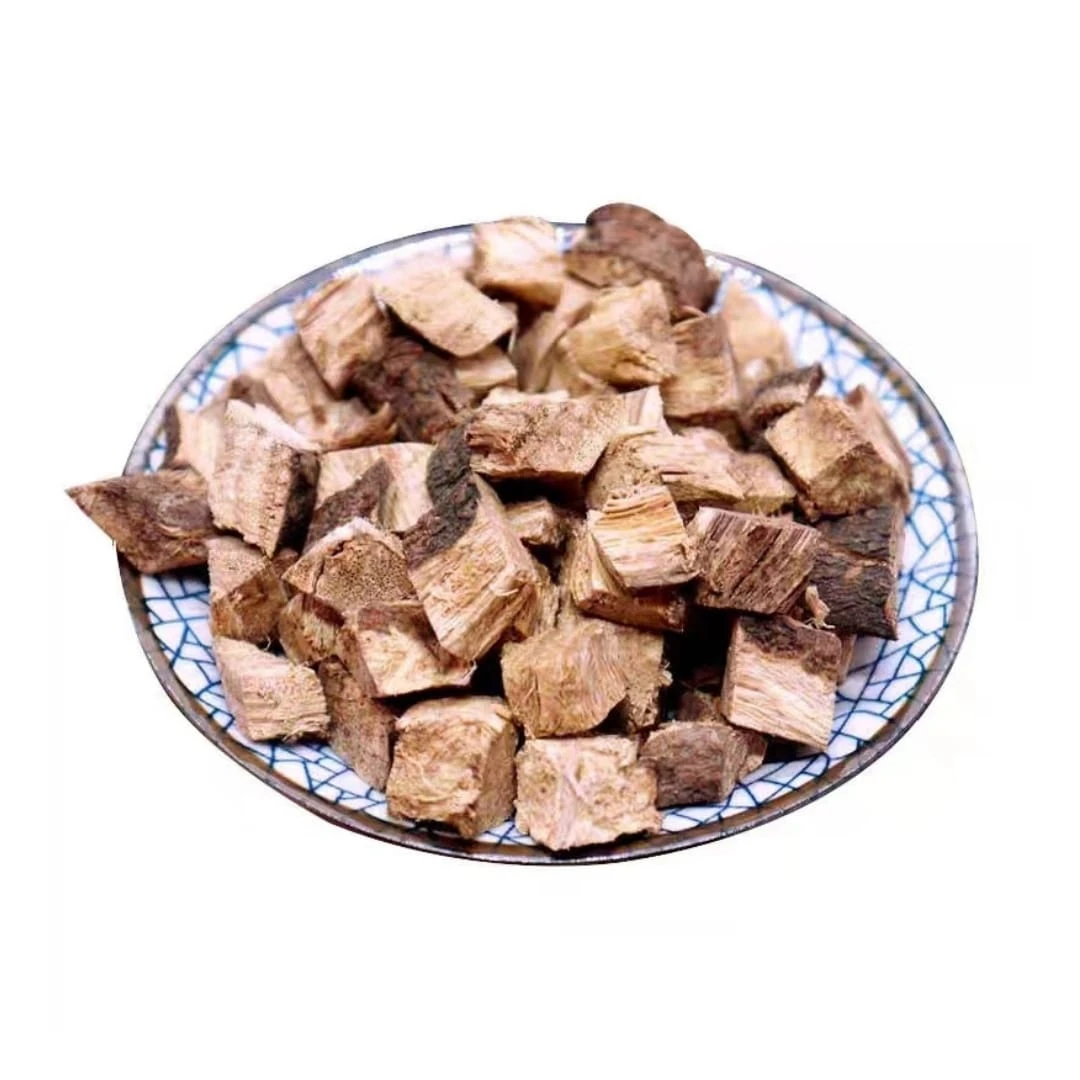


Product Introduction
Lobed Kudzuvine Root, known as Gegen in Chinese, is a significant herb in traditional Chinese medicine. It is primarily sourced from the dried root of Pueraria lobata. The herb is valued for its therapeutic properties, addressing various conditions related to the body’s energy and muscle tension. It has been used for centuries in East Asia.
Main Active Ingredients
The primary active components of Lobed Kudzuvine Root are isoflavones, including puerarin, daidzein, and daidzin. Puerarin is particularly noted for its potential cardiovascular and neuroprotective effects. Daidzein and daidzin contribute to the herb's antioxidant and anti-inflammatory properties. These compounds work synergistically to produce the overall therapeutic effects of the herb.
Product Application Scenarios, Usage, and Dosage
Lobed Kudzuvine Root is employed in several therapeutic scenarios. It is often used to treat exterior syndromes, such as fever, headache, and stiff neck, particularly when these symptoms are associated with the common cold or flu. It can also be used to quench thirst in conditions like diabetes or dehydration. Additionally, it is prescribed to relieve muscle tension, especially in the upper back and neck, often resulting from prolonged sitting or stress.
The typical dosage of Lobed Kudzuvine Root is between 9 to 15 grams per day, usually administered in decoction form. The dried root slices are boiled in water, and the resulting liquid is consumed. It can also be found in various herbal formulas and patent medicines, where it is combined with other herbs to enhance its efficacy and address specific health issues.
Introduction to the Source Plant, Distribution, and Growth Environment
Pueraria lobata, the source plant of Lobed Kudzuvine Root, is a climbing, semi-woody vine belonging to the Fabaceae family. It is characterized by its large, three-lobed leaves and clusters of fragrant, pea-like flowers. The plant is native to East Asia, including China, Japan, and Korea.
It thrives in various environments, including forest margins, roadsides, and disturbed areas. The plant prefers well-drained soils and ample sunlight, but it can tolerate a range of conditions, making it a highly adaptable species. Due to its rapid growth and ability to outcompete other vegetation, Pueraria lobata has become an invasive species in some parts of the world, including the United States.
Harvesting, Processing, and Storage
The roots of Pueraria lobata are typically harvested in the autumn or early spring. After harvesting, the roots are washed to remove any dirt and debris. They are then sliced into smaller pieces and dried, either in the sun or using mechanical dryers. The drying process reduces the moisture content, preventing spoilage and preserving the herb's active constituents.
Proper storage is crucial to maintain the quality and efficacy of Lobed Kudzuvine Root. The dried root slices should be stored in a cool, dry place, away from direct sunlight and moisture. They should be kept in airtight containers to prevent insect infestation and oxidation. Under these conditions, the herb can retain its therapeutic properties for several years.
Citations
- Chen, J. K., & Chen, T. T. (2004). Chinese Medical Herbology and Pharmacology. City of Industry, CA: Art of Medicine Press.
- Bensky, D., Clavey, S., & Stöger, E. (2004). Chinese Herbal Medicine: Materia Medica, 3rd Edition. Seattle, WA: Eastland Press.
- Yao, Y. (2019). Chinese Herbal Medicine: Formulas & Strategies. New York, NY: Churchill Livingstone.
Mia Wu

Hi, I’m Mia Wu! I love helping customers discover the best natural ingredients for their products. With a passion for herbs, spices, and fungi, I work to make sure you get only the finest raw materials. Let's grow together! 🌱✨







