
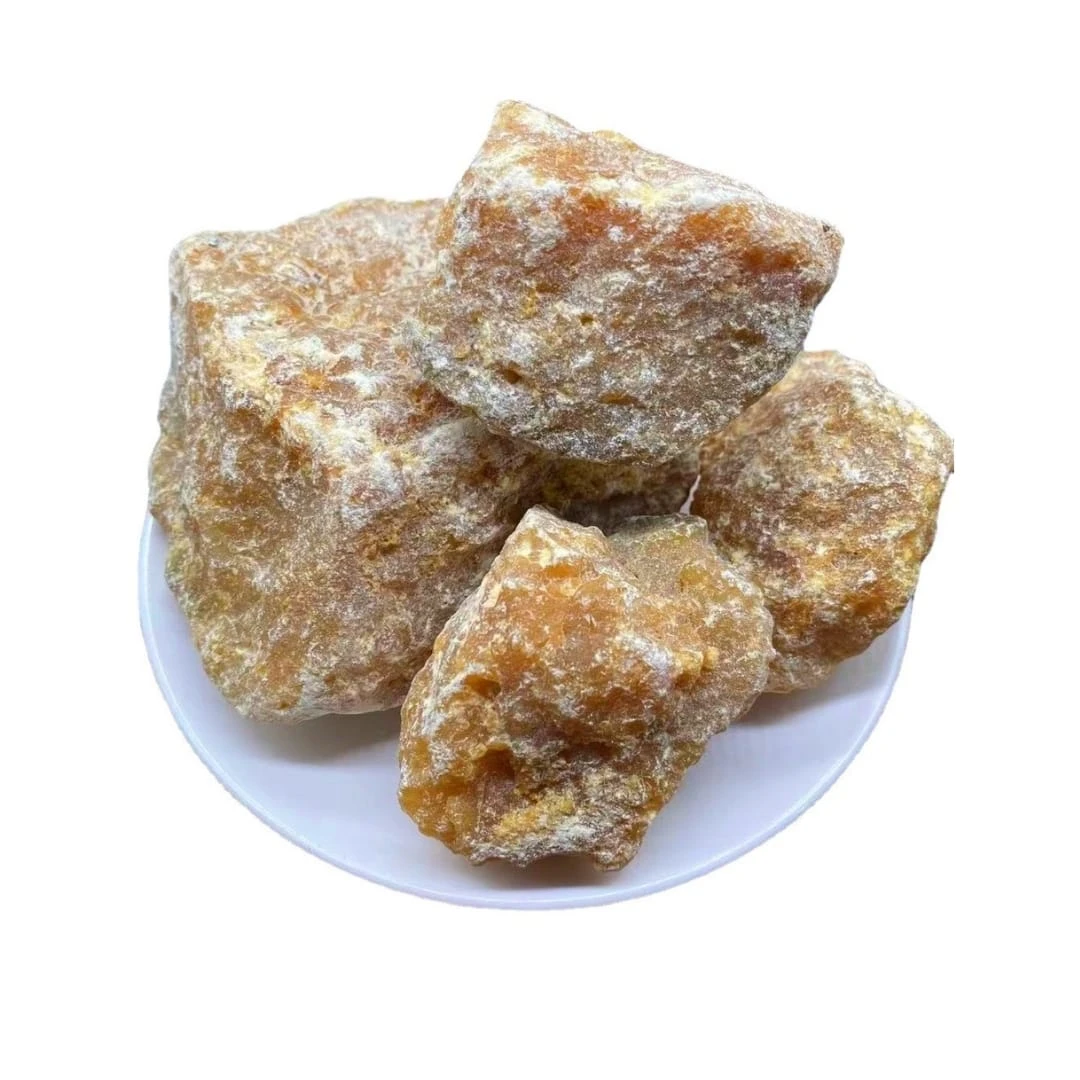


Product Introduction
Liquidambaris Resina, or Su He Xiang, is a resin obtained from the Liquidambar orientalis tree, known for its medicinal properties, especially in traditional Chinese medicine. The resin has a distinct aromatic profile and is utilized both for its fragrance and therapeutic benefits. It holds a notable place in traditional medicine systems because of its varied uses.
Main Active Ingredients
The chemical composition of Liquidambaris Resina includes multiple active compounds, such as styrene, cinnamic acid, and different terpenoids. These components contribute to the therapeutic effects of the resin. Research has focused on these ingredients to understand better their specific roles in the medicinal applications of the material, thus leading to an increased understanding of the resin's effects.
Product Application Scenarios, Usage, and Dosage
In traditional Chinese medicine, Liquidambaris Resina is primarily used to address conditions like chest pain, stroke, and fainting. It is often administered in small doses, typically ranging from 0.3 to 1 gram, usually in pills or powders. Due to its potent nature, it needs to be used with caution and under the guidance of a qualified practitioner. It is frequently combined with other herbs to enhance its effectiveness and minimize potential side effects.
Introduction to the Source Plant, Distribution, and Growth Environment
The Liquidambar orientalis tree, the source of Liquidambaris Resina, is native to the eastern Mediterranean region, mainly found in Turkey. It prefers moist, well-drained soils and a temperate climate, usually growing in forested areas. The tree is cultivated for its resin, which is extracted through methods that ensure sustainable harvesting and minimal damage to the trees.
Harvesting, Processing, and Storage
The harvesting of Liquidambaris Resina involves making incisions in the bark of the Liquidambar orientalis tree and collecting the exudate. The resin is then processed to remove impurities and standardize its quality. Proper storage is vital to maintain its properties; it needs to be kept in a cool, dark, and dry place to prevent degradation and maintain its aromatic and therapeutic qualities.
Citations:
- Chen, J. K., & Chen, T. T. (2004). Chinese Medical Herbology and Pharmacology. Art of Medicine Press.
- Bensky, D., Clavey, S., & Stöger, E. (2004). Chinese Herbal Medicine: Materia Medica, 3rd Edition. Eastland Press.
- Wichtl, M. (2004). Herbal Drugs and Phytopharmaceuticals. Medpharm Scientific Publishers.
Mia Wu

Hi, I’m Mia Wu! I love helping customers discover the best natural ingredients for their products. With a passion for herbs, spices, and fungi, I work to make sure you get only the finest raw materials. Let's grow together! 🌱✨







