

Product Introduction
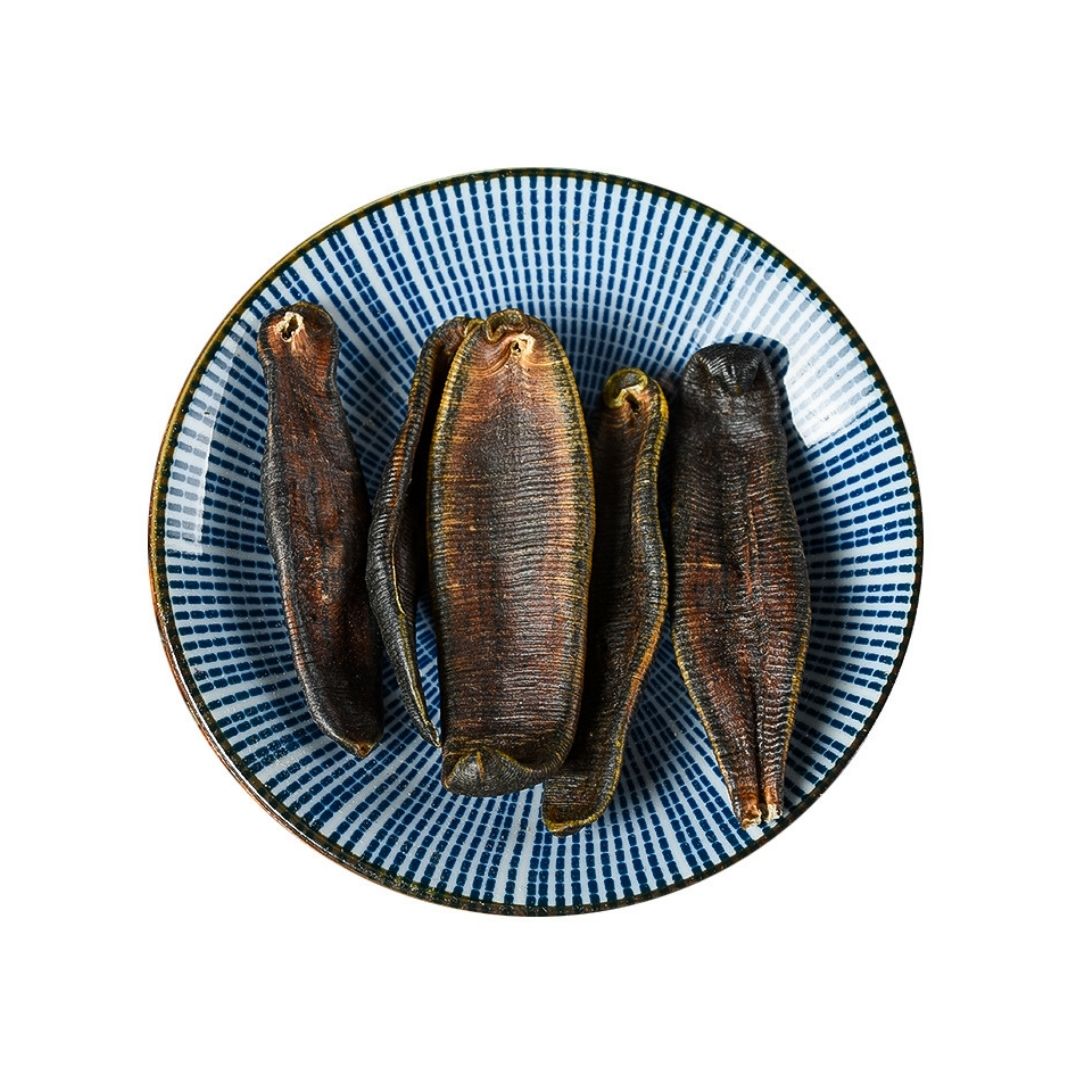
Leech, a traditional component in Chinese medicine, has been employed for centuries due to its notable anticoagulant properties, and is primarily sourced from specific species found in freshwater environments. The medicinal use of leech focuses on its ability to invigorate blood flow, resolve blood stasis, and alleviate pain associated with circulatory issues. Its application spans various ailments, making it a valuable, though potent, remedy in traditional practices.
Main Active Ingredients
The primary active ingredient in leech is hirudin, a naturally occurring peptide, known for its potent anticoagulant activity. Hirudin directly inhibits thrombin, an enzyme, crucial in the blood clotting process, therefore preventing the formation of blood clots. Leech secretions also contain other enzymes and proteins that contribute to its therapeutic effects, enhancing its ability to improve microcirculation, and reduce inflammation. [^1]
Product Application Scenarios, Usage, and Dosage
Leech is commonly prescribed for conditions involving blood stasis, such as stroke, traumatic injuries, and cardiovascular diseases, and is often used to alleviate pain, swelling, and inflammation associated with poor circulation. The herb may be administered orally in powder form or as part of a decoction, and the typical dosage ranges, but it is crucial to adhere to a practitioner's guidance. It's also important to note that due to its potent anticoagulant effects, it is often used with caution, particularly in individuals with bleeding disorders, or those undergoing surgery. [^2]
Introduction to the Source Plant, Distribution, and Growth Environment
Whitmania pigra, Hirudo nipponia, and Whitmania acranulata are the primary leech species harvested for medicinal purposes, and these leeches thrive in freshwater habitats such as ponds, rice fields, and slow-moving streams across East Asia, including China, Japan, and Korea. These species prefer environments, with abundant vegetation, and a stable water supply. The growth environment significantly impacts the quality, and efficacy, of the leech used in traditional medicine.
Harvesting, Processing, and Storage
Leeches are typically harvested during the warmer months, when they are most active, and after capture, they are cleaned and processed, usually involving drying. Traditional methods include sun-drying or baking at low temperatures to preserve their medicinal properties. Proper storage is essential to prevent spoilage, and maintain the herb's efficacy; dried leeches should be stored in airtight containers, kept in a cool, dry place, away from direct sunlight, and moisture to prevent degradation, and pest infestation. [^3]
Citations:
[^1]: Heravi, G. A., & Moghimipour, E. (2020). Hirudo medicinalis: A review on control of blood coagulation and expectable effects on human health. Journal of Traditional and Complementary Medicine, 10(6), 521–528.
[^2]: Zhang, W., Song, X., Zhao, J., Jiang, L., Shi, X., & Wang, C. (2023). Research progress on chemical composition, pharmacological activity, and clinical application of Hirudo. Chinese Herbal Medicines, 15(3), 373–384.
[^3]: Wang, D., Lü, B., Zhou, X., & Li, G. (2011). Preparation and evaluation of quality standards for leech powder. Chinese Journal of Experimental Traditional Medical Formulae, 17(21), 184-187.
Mia Wu

Hi, I’m Mia Wu! I love helping customers discover the best natural ingredients for their products. With a passion for herbs, spices, and fungi, I work to make sure you get only the finest raw materials. Let's grow together! 🌱✨