

Product Introduction
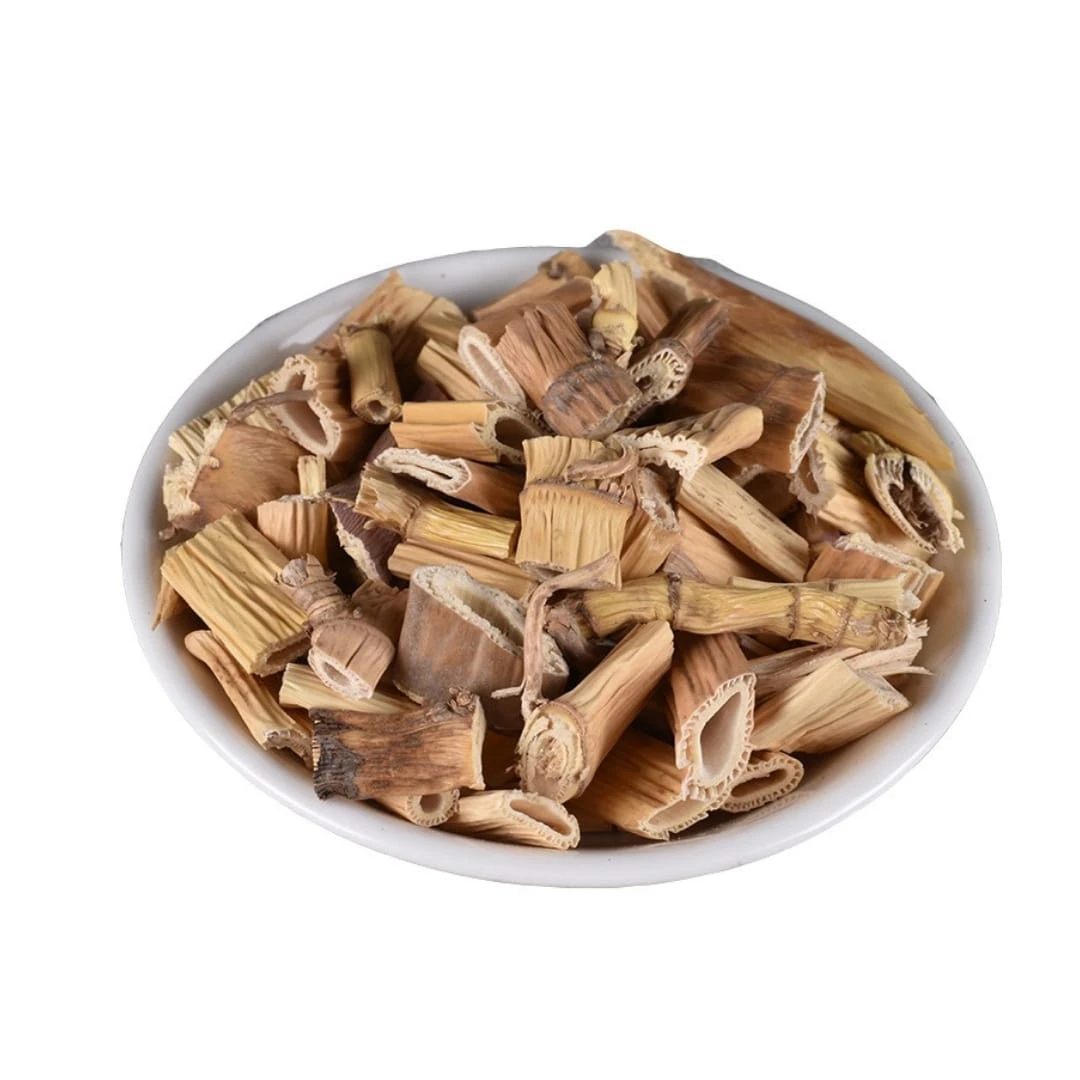
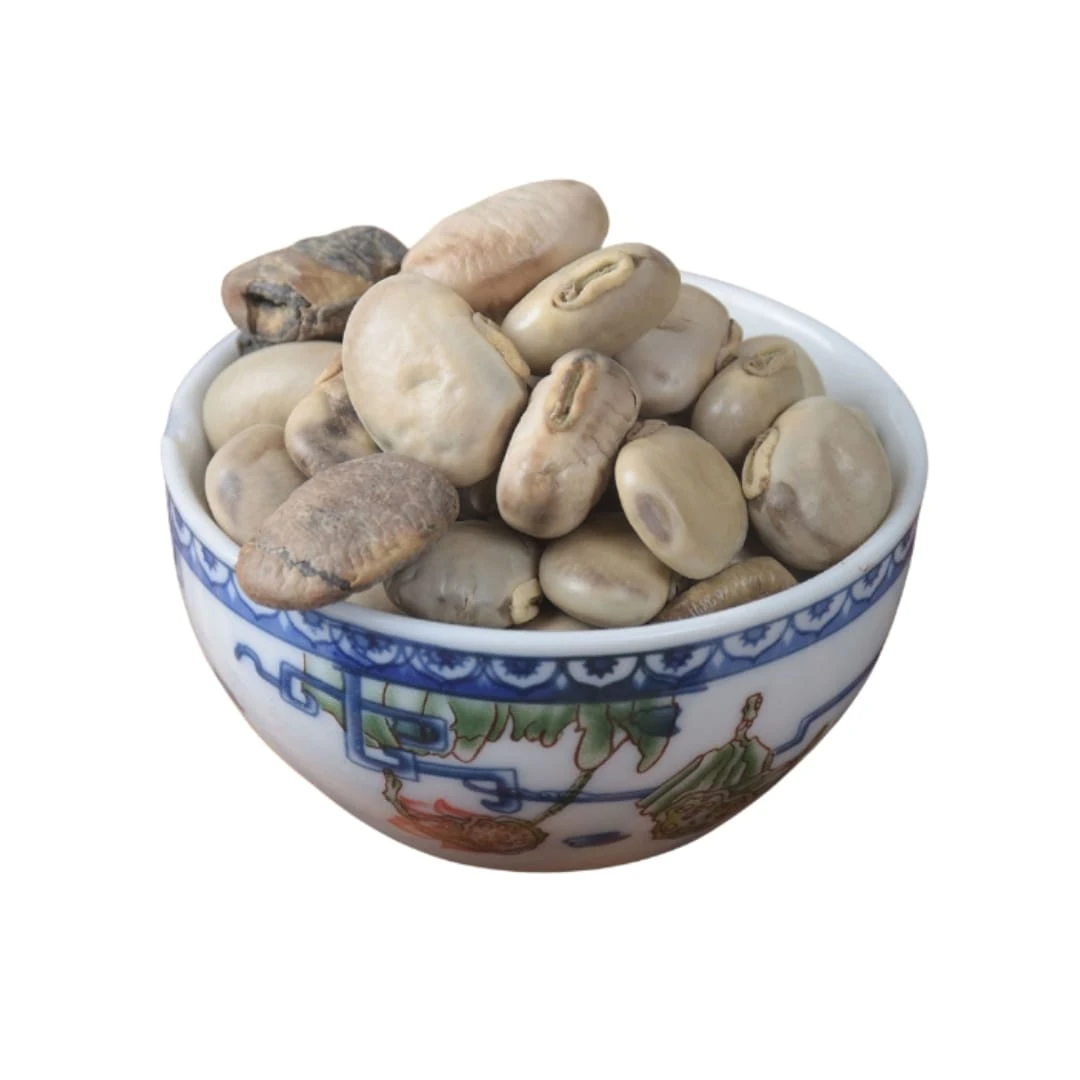
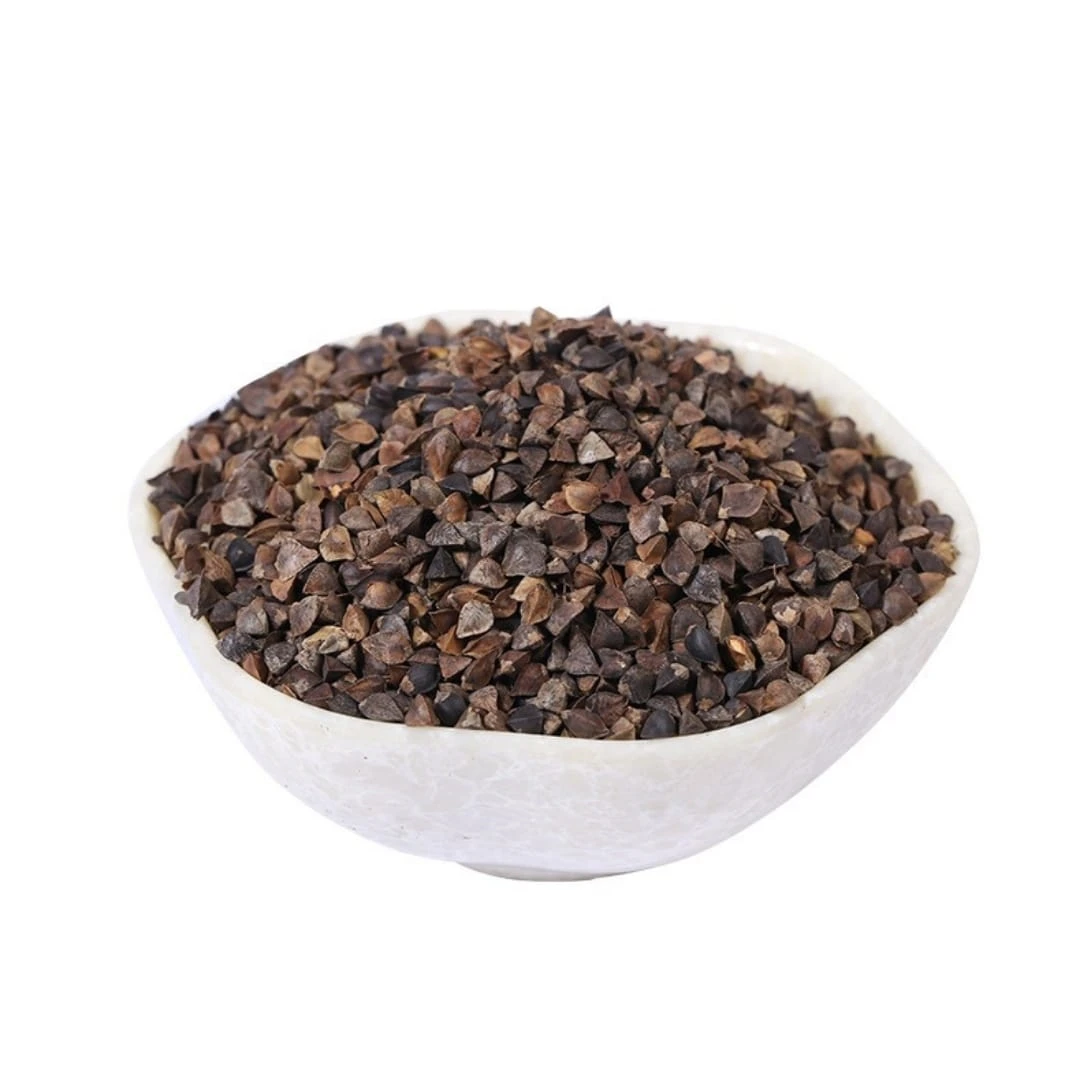
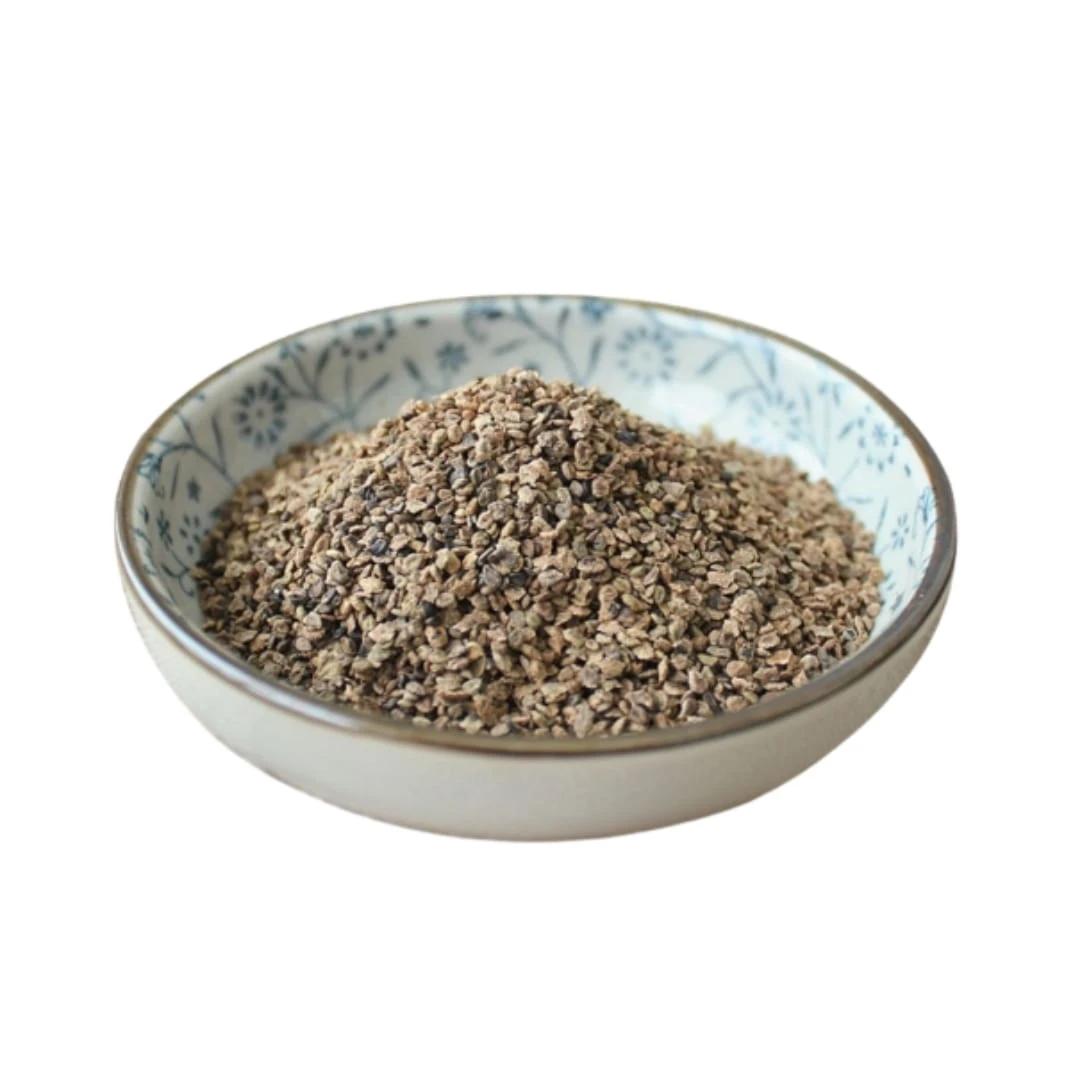
Kochiae Fructus, known as Di Fu Zi in traditional Chinese medicine, is the dried mature fruit of Kochia scoparia. This herb is valued for its medicinal properties, particularly in treating skin disorders and promoting urinary health. It is an annual herb that is common in many parts of the world. The fruit is small and easily identifiable, making it a staple in herbal formulations.
Main Active Ingredients
The primary active ingredients in Kochiae Fructus include saponins, flavonoids, and alkaloids. Saponins are known for their anti-inflammatory and anti-pruritic effects, contributing to the herb's effectiveness in treating skin conditions. Flavonoids provide antioxidant properties, aiding in overall health. Alkaloids present in the fruit also contribute to its medicinal properties, though they are present in smaller amounts.
Product Application Scenarios, Usage, and Dosage
Kochiae Fructus is mainly used to address skin-related issues such as eczema, pruritus, and fungal infections. It is also employed to alleviate urinary problems like painful urination and urinary tract infections. The herb is often used in combination with other herbs to enhance its effects. The typical dosage is 6-12 grams, usually administered in decoction form. For external use, a concentrated decoction can be used as a wash or compress.
Introduction to the Source Plant, Distribution, and Growth Environment
Kochia scoparia is an annual plant belonging to the Chenopodiaceae family. It is widely distributed across Asia, Europe, and North America. The plant thrives in sunny environments with well-drained soil. It commonly grows in fields, roadsides, and disturbed areas. The plant can grow up to a meter in height and is characterized by its slender leaves and numerous small, inconspicuous flowers.
Harvesting, Processing, and Storage
The fruits of Kochia scoparia are harvested when they are mature and ripe, typically in the autumn. After harvesting, the fruits are dried in the sun or using mechanical drying methods. Once dried, the fruits are cleaned to remove any impurities. It is crucial to store Kochiae Fructus in a cool, dry location, protected from moisture and light, to maintain its potency and prevent spoilage. Proper storage ensures the herb retains its therapeutic properties for an extended period.
Citations
Chen, J. K., & Chen, T. T. (2004). Chinese Medical Herbology and Pharmacology. Art of Medicine Press.
Bensky, D., Gamble, A., & Kaptchuk, T. (1993). Chinese Herbal Medicine: Materia Medica. Eastland Press.
Mia Wu

Hi, I’m Mia Wu! I love helping customers discover the best natural ingredients for their products. With a passion for herbs, spices, and fungi, I work to make sure you get only the finest raw materials. Let's grow together! 🌱✨