
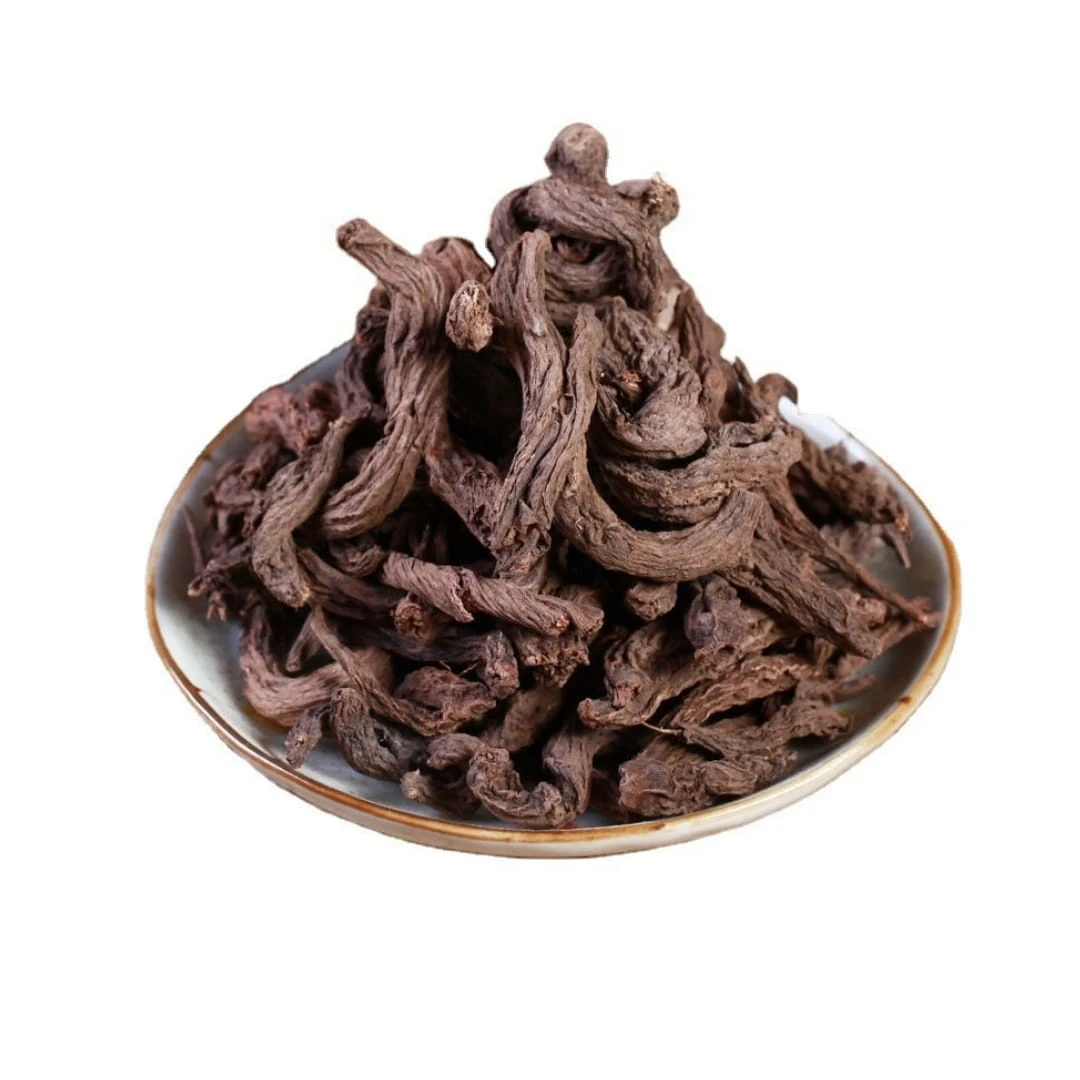


Product Introduction
Knoxia Root, sourced from Knoxia valerianoides or Euphorbia pekinensis, has been utilized in traditional herbal medicine for its therapeutic properties. The root is prepared and used based on traditional processing methods. Its applications are rooted in historical medicinal practices.
Main Active Ingredients
The root contains a variety of chemical compounds, contributing to its medicinal effects. These include flavonoids, alkaloids, and other bioactive substances. The specific composition may vary depending on the plant species and geographical location.
Product Application Scenarios, Usage, and Dosage
In traditional medicine, Knoxia Root is used for conditions related to fluid metabolism and detoxification. It may be administered alone or in combination with other herbs, depending on the specific ailment being addressed. The dosage varies based on the individual’s condition and the practitioner’s recommendations.
Introduction to the Source Plant, Distribution, and Growth Environment
Knoxia valerianoides and Euphorbia pekinensis are distributed across various regions, including parts of Asia. These plants thrive in specific environments, often in well-drained soils and sunny locations. Their growth cycle and environmental adaptations influence the quality of the root used in herbal medicine.
Harvesting, Processing, and Storage
The roots are typically harvested during specific seasons to ensure optimal quality. After harvesting, the roots undergo processing, which may involve drying and cutting. Proper storage is crucial to maintain the root's potency and prevent degradation. It is generally stored in a dry, cool place to protect it from moisture and sunlight.
Citations
- "Flora of China," efloras.org.
- "Chinese Materia Medica," compiled by State Administration of Traditional Chinese Medicine.
Mia Wu

Hi, I’m Mia Wu! I love helping customers discover the best natural ingredients for their products. With a passion for herbs, spices, and fungi, I work to make sure you get only the finest raw materials. Let's grow together! 🌱✨







