

Product Introduction
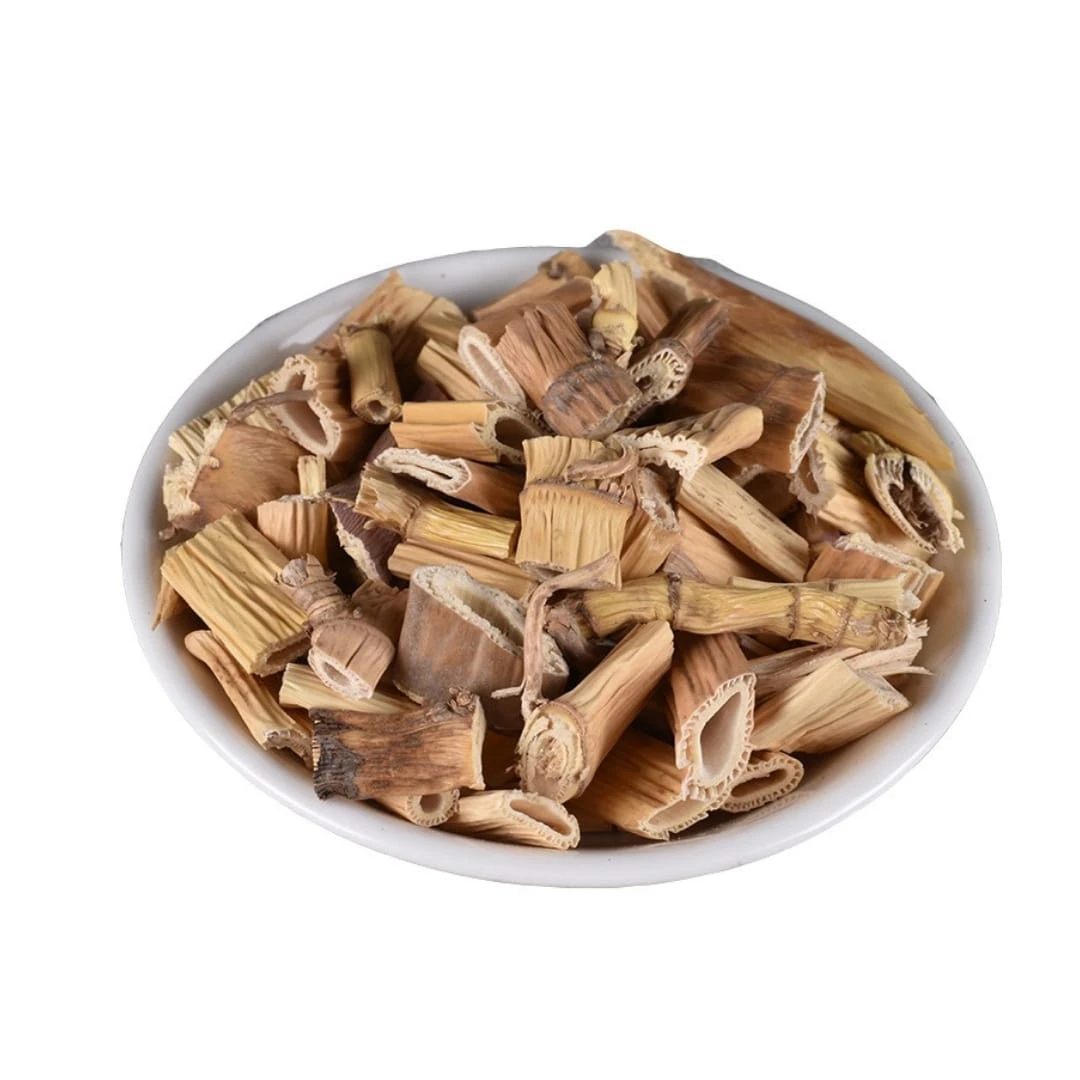
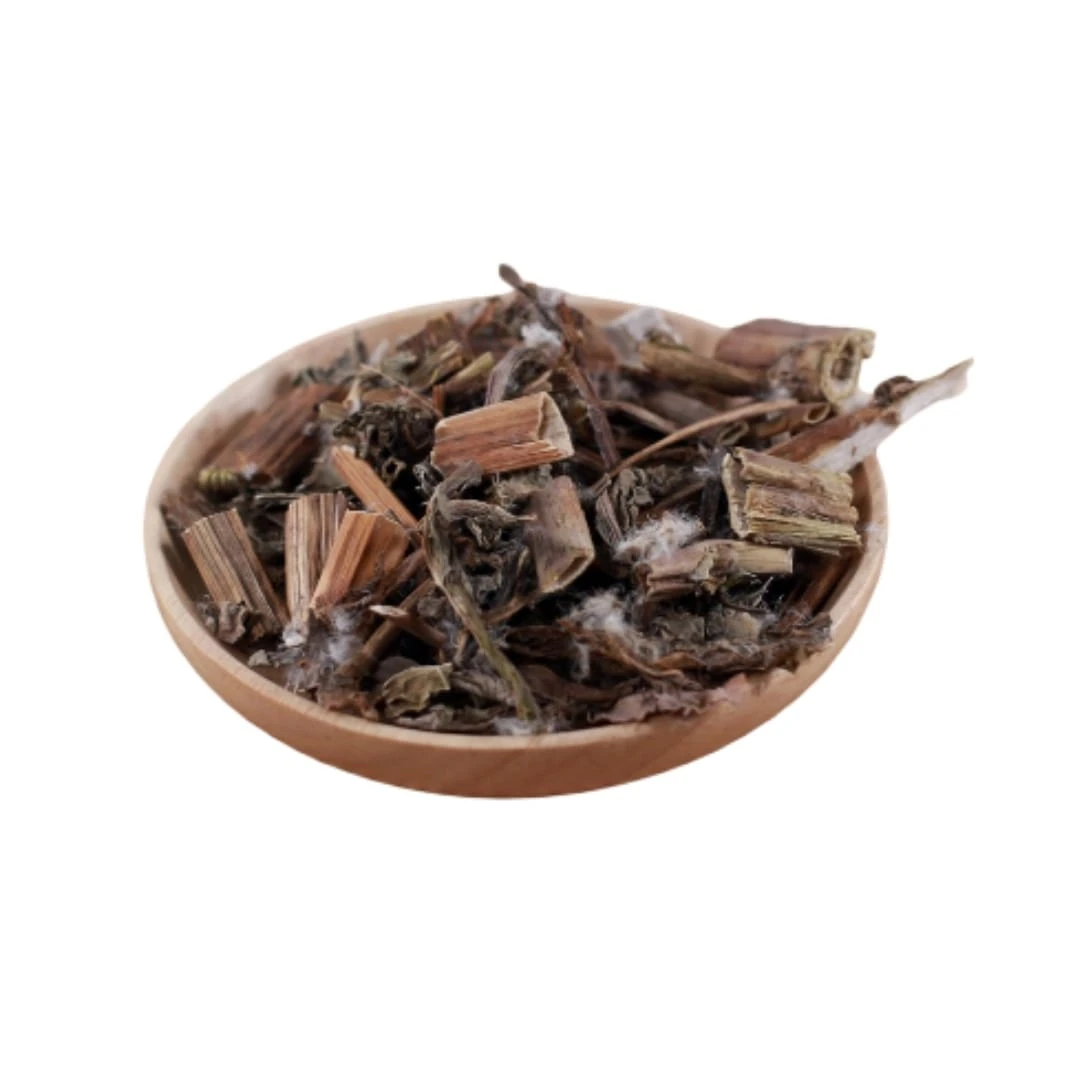
Japanese Thistle herb, scientifically known as Cirsium japonicum DC., is a plant widely distributed across East Asia, valued for its diverse traditional applications. The plant itself is recognizable by its characteristic prickly leaves and purple flowering heads, features that aid in its identification. The herb, comprising the dried aerial parts or the entire plant, has a history of use in traditional practices. Different regions may refer to it by various names, reflecting local knowledge and uses. Throughout history, it has been used for its therapeutic properties, particularly in managing bleeding and inflammation.
Main Active Ingredients
The therapeutic properties of Japanese Thistle are attributed to its complex chemical composition. Flavonoids, a class of plant-based antioxidants, are present in significant quantities. Sesquiterpene lactones, known for their anti-inflammatory effects, are also key constituents. Other phenolic compounds, including various antioxidants, contribute to the herb's overall activity. These active ingredients work synergistically to produce the observed health benefits. Further research is ongoing to fully elucidate the roles of each compound.
Product Application Scenarios, Usage, and Dosage
In traditional applications, Japanese Thistle is mainly utilized to address bleeding disorders. It is also employed to manage inflammatory conditions. The herb is often prepared as a decoction, where it is boiled in water to extract its active compounds. The specific dosage can vary significantly based on the individual's condition, the form of the herb used, and the practitioner's recommendations. Typical dosages range from 10 to 15 grams per day when used in decoctions. It is crucial to consult with a qualified healthcare provider, such as a traditional herbalist or physician, to determine the appropriate and safe dosage for one's specific needs.
Introduction to the Source Plant, Distribution, and Growth Environment
Cirsium japonicum DC. is a perennial plant belonging to the Asteraceae family. It is native to regions across East Asia, including Japan, China, and Korea. The plant thrives in a variety of habitats, including fields, grasslands, and disturbed areas. It prefers well-drained soil and full to partial sunlight. The plant's adaptability allows it to grow in diverse environmental conditions, contributing to its widespread distribution. Its presence in different habitats underscores its ecological resilience.
Harvesting, Processing, and Storage
The harvesting of Japanese Thistle typically occurs during the flowering season, usually in the summer or early autumn. The aerial parts of the plant are collected, and the entire plant may also be harvested. After harvesting, the plant material is carefully washed to remove any impurities. It is then dried, either naturally in the sun or using mechanical dryers, to reduce its moisture content and prevent spoilage. Proper drying is crucial for preserving the herb's active ingredients and preventing mold growth. Once dried, the herb should be stored in a cool, dry place, away from direct sunlight and moisture, to maintain its potency and effectiveness over time. It is essential to use airtight containers for storage to protect it from humidity and pests.
Citations:
- Flora of China Editorial Committee. (2011). Flora of China (English Edition), Vol. 20-21. Beijing: Science Press; St. Louis: Missouri Botanical Garden Press.
- Jiangsu New Medical College. (1977). Dictionary of Traditional Chinese Medicine. Shanghai Science and Technology Press.
- pharmacological effects of secondary metabolites from Cirsium japonicum DC. https://koreascience.kr/article/JAKO201122766835028.page
Mia Wu

Hi, I’m Mia Wu! I love helping customers discover the best natural ingredients for their products. With a passion for herbs, spices, and fungi, I work to make sure you get only the finest raw materials. Let's grow together! 🌱✨