

Product Introduction
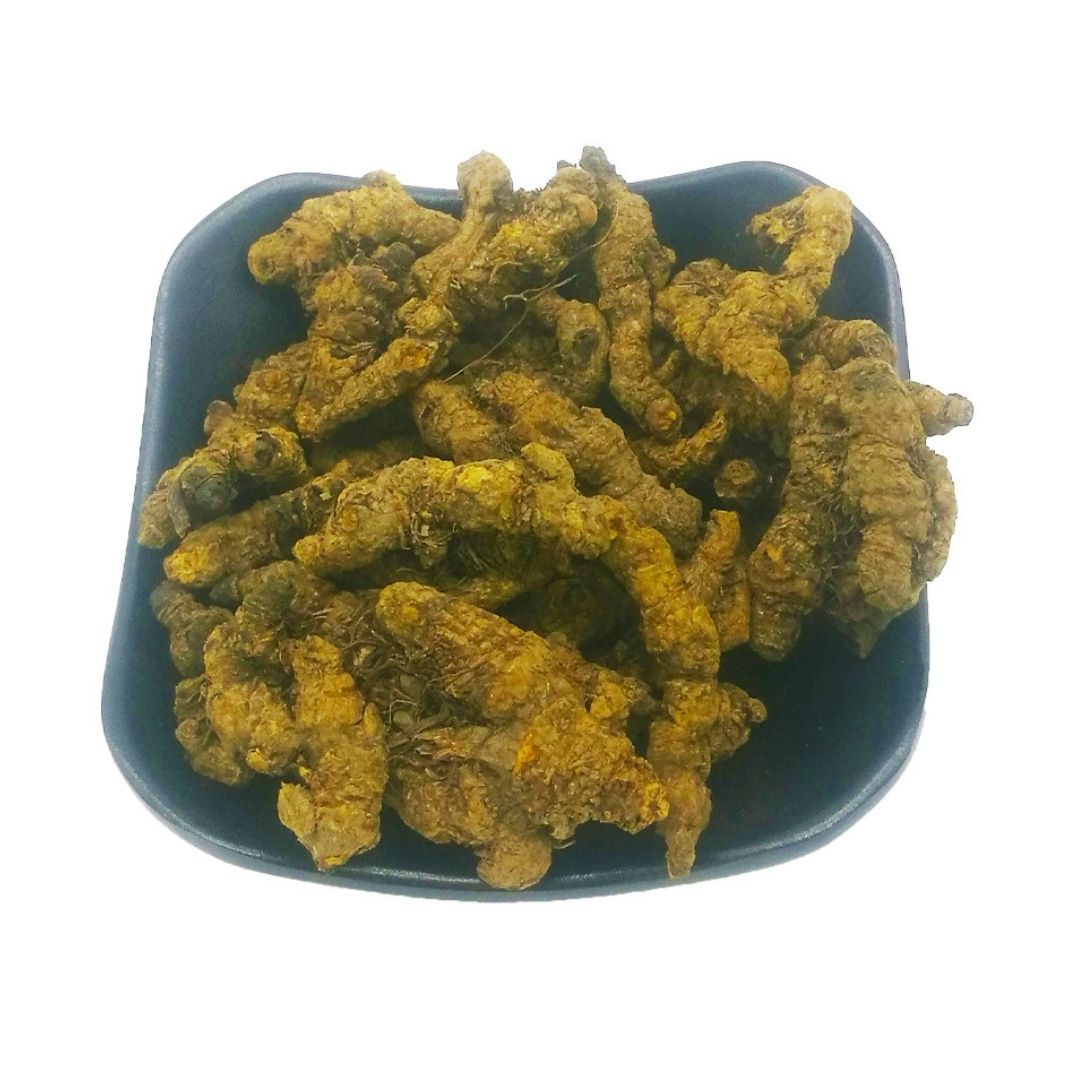
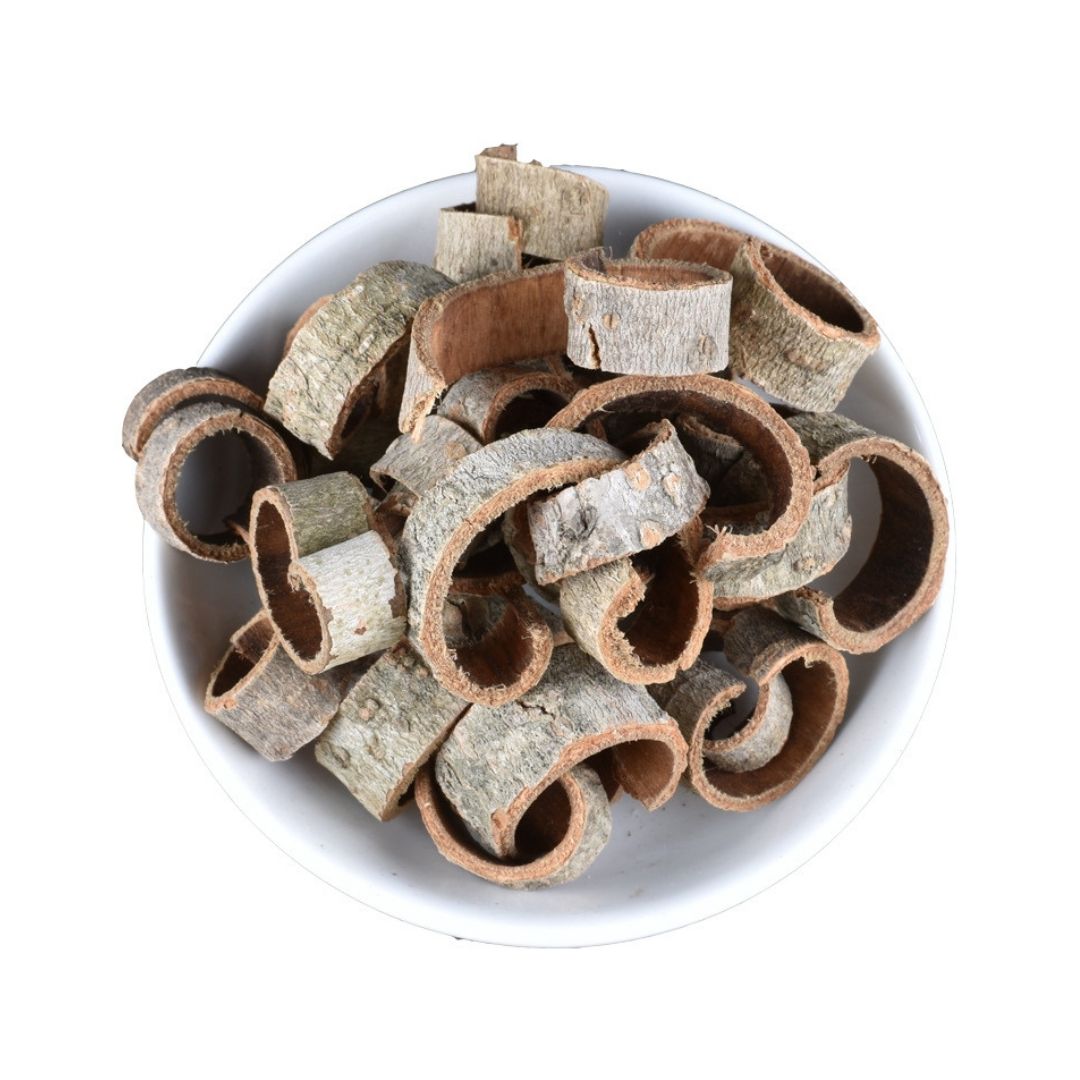
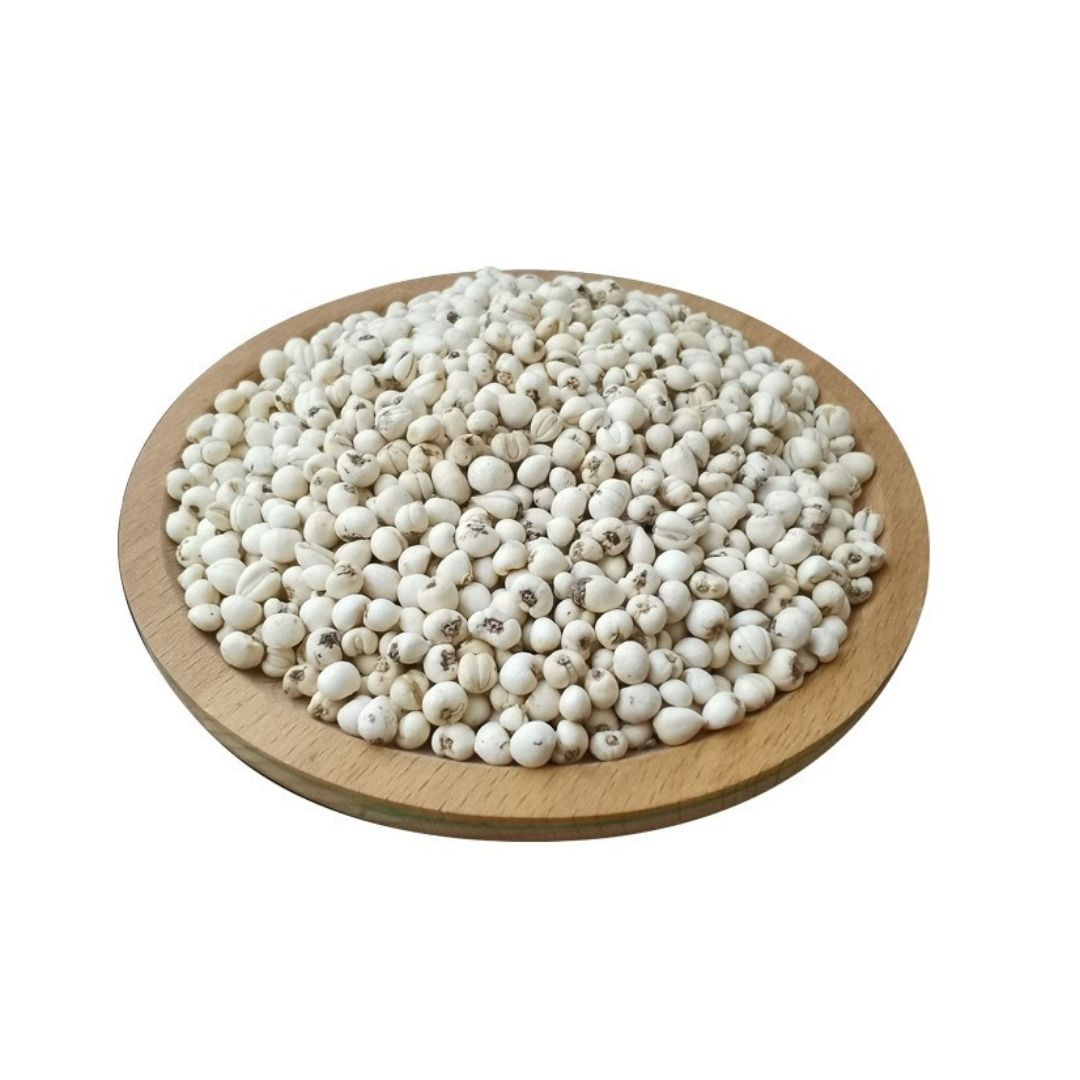
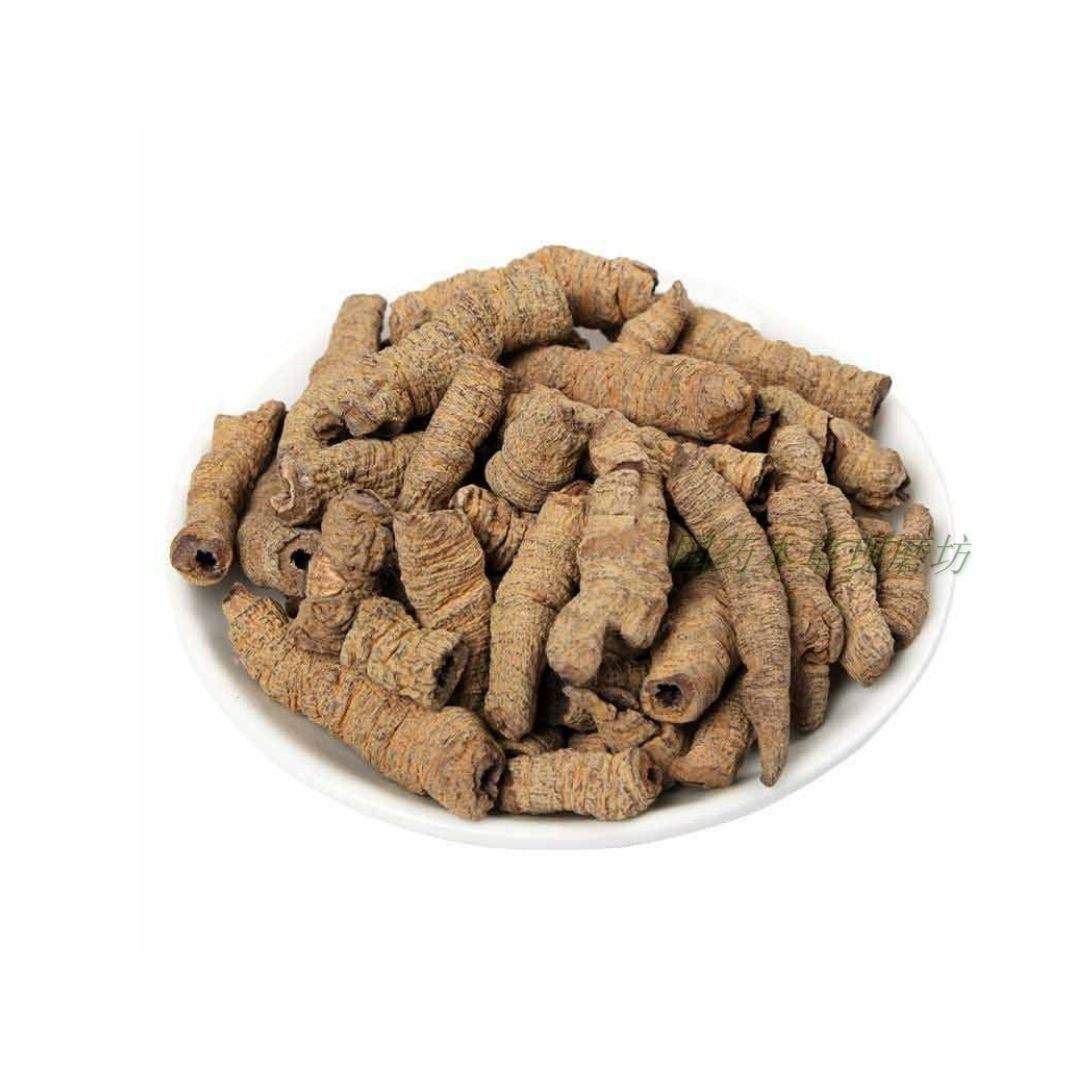
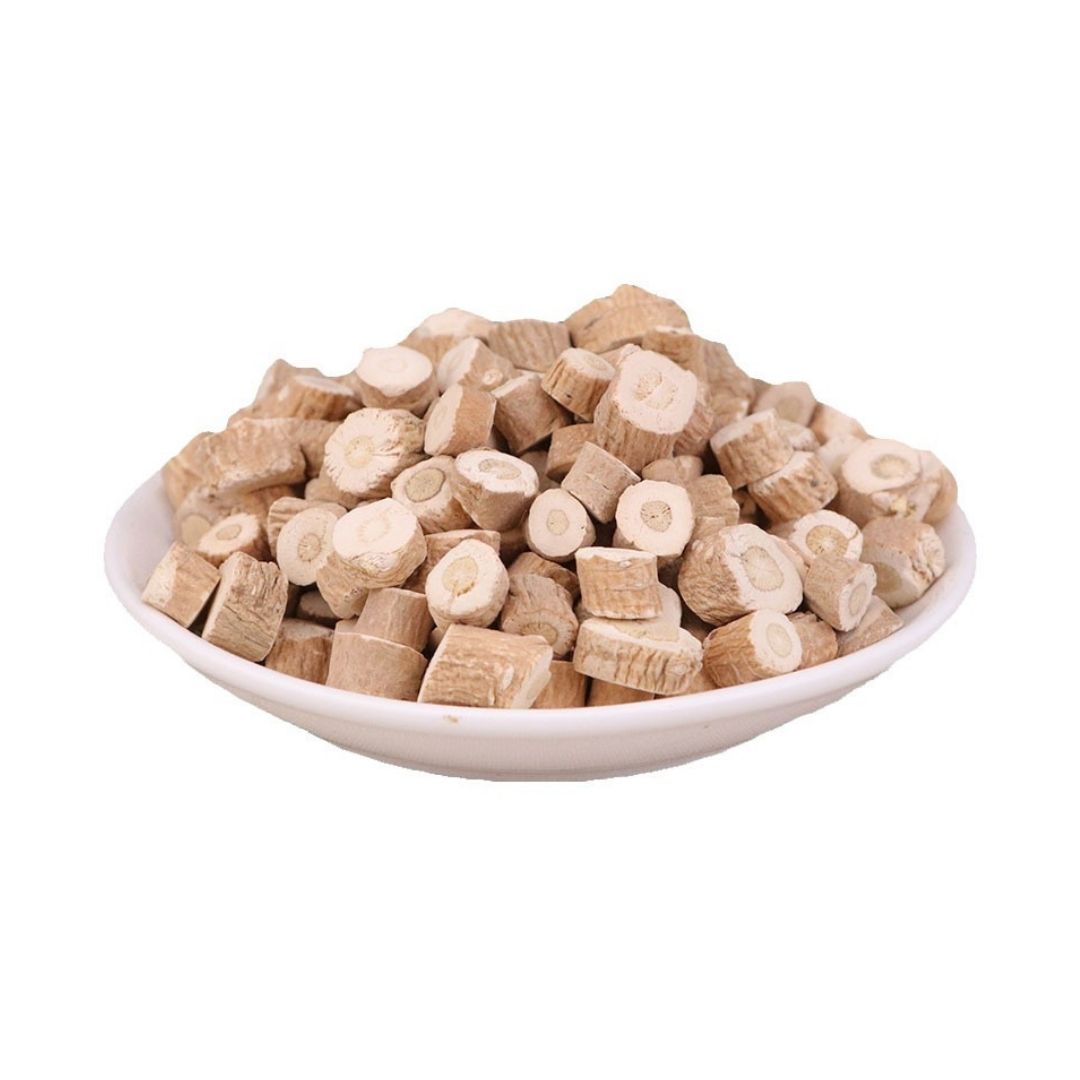
Indigowoad root, a significant component of traditional Chinese medicine, is derived mainly from the dried roots of Isatis tinctoria L., Isatis indigotica Fort., and Isatis tinctoria L. var. yezoensis Ohwi. This herb is known for its properties in addressing various health imbalances, according to traditional Chinese medicine principles. The appearance of the root is typically cylindrical or conical, varying in size, featuring a grayish-yellow or brownish-yellow exterior.
Main Active Ingredients
The efficacy of indigowoad root is attributed to its complex chemical composition. Key active constituents include isatin, indirubin, and indigo. These compounds contribute to the herb's therapeutic effects, which have been investigated in pharmacological studies, looking at antiviral and anti-inflammatory activities.
Product Application Scenarios, Usage, and Dosage
In traditional Chinese medicine, indigowoad root is used in specific applications. It is often prescribed to address heat-related conditions, detoxification needs, and to cool the blood, which is believed to help in various infections and inflammatory states. Furthermore, it is considered beneficial for throat health and is used in formulations targeting sore throats and related discomfort.
The typical dosage of indigowoad root, when used in decoctions, generally ranges from 9 to 15 grams. The dosage can be adjusted based on the specific condition, the formulation of the herbal prescription, and the practitioner's judgment.
Introduction to the Source Plant, Distribution, and Growth Environment
The plants that provide indigowoad root, including Isatis tinctoria, Isatis indigotica, and Isatis tinctoria var. yezoensis, are distributed across different geographical regions. These plants have been cultivated for centuries for both medicinal and dyeing purposes. They thrive in temperate climates, often found in fields and along roadsides. The plants prefer well-drained soil and sunny conditions, which support their growth and development, influencing the quality and properties of the root.
Harvesting, Processing, and Storage
The harvesting of indigowoad root typically occurs in the autumn, when the plants have matured and the roots have accumulated their active compounds. After harvesting, the roots are cleaned to remove soil and debris. The roots are then usually dried in the sun or using mechanical methods to reduce moisture content, which is critical for preservation. Once dried, the roots are cut into sections, meeting the required specifications for use in traditional medicine.
Proper storage of indigowoad root is essential to maintain its quality and efficacy. The dried root should be stored in a cool, dry place, away from direct sunlight and moisture. It is also important to protect the root from pests and insects that could degrade its quality. When stored correctly, indigowoad root can retain its therapeutic properties for an extended period, ensuring its availability and effectiveness for clinical use.
Citations:
- https://www.ncbi.nlm.nih.gov/pmc/articles/PMC10711090/
- https://www.sciencedirect.com/topics/pharmacology-toxicology-and-pharmaceutical-science/radix-isatidis
- Chinese Herbal Materia Medica, Bensky et al.
Mia Wu

Hi, I’m Mia Wu! I love helping customers discover the best natural ingredients for their products. With a passion for herbs, spices, and fungi, I work to make sure you get only the finest raw materials. Let's grow together! 🌱✨